New York City. Travel Information and Pictures
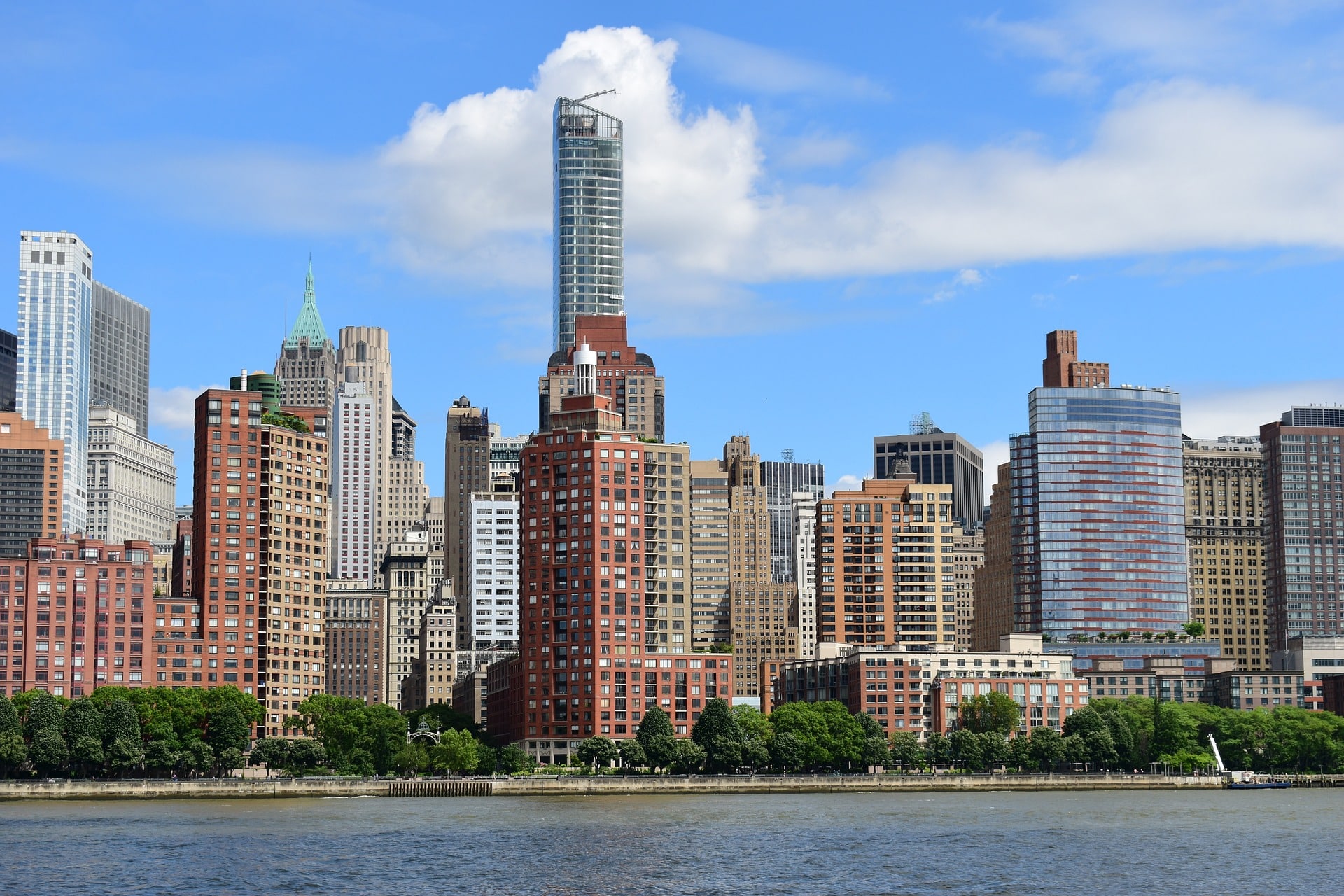
New York City, “The Big Apple”, is the largest city in the United States and is visited by millions of travellers every year. New York is so popular because it offers architecture, very varied culture (migrants from many countries are estimated to speak 800 different languages), history and special events that cannot be found anyplace else. New York City is situated at the mouth of the Hudson River, providing one of the world’s largest natural harbors. It was probably this that attracted the Dutch to found the first trading post there in 1626, but they named it “New Amsterdam”; “New York” only became its name twenty years later when the British gained control and re-named it after the Duke of York, King Charles II’s brother.
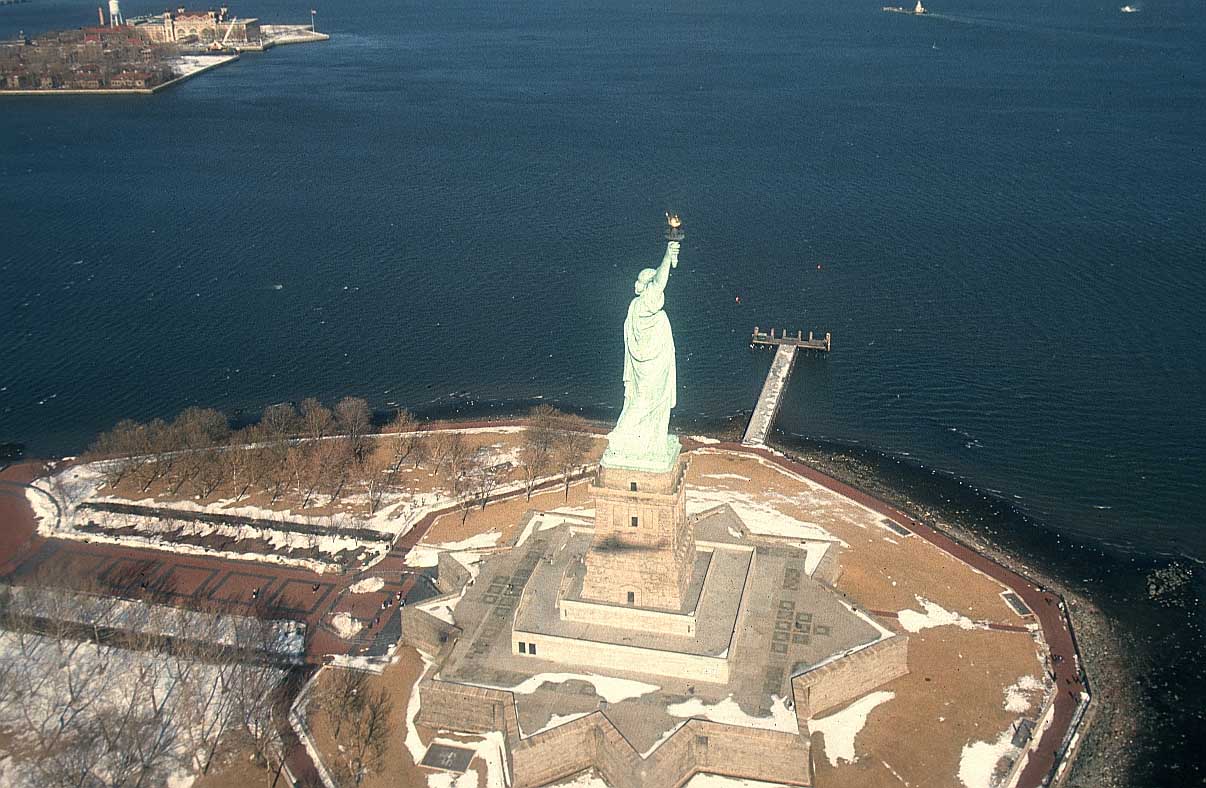
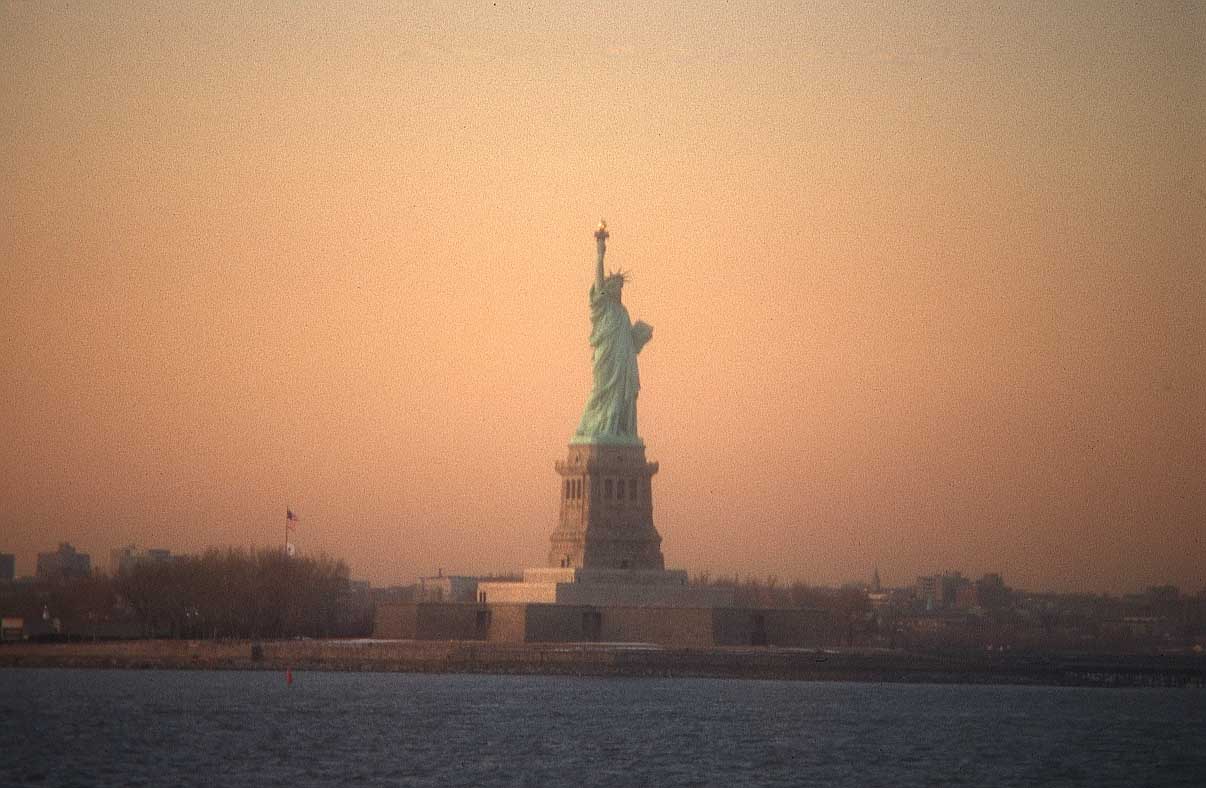
Statue of Liberty
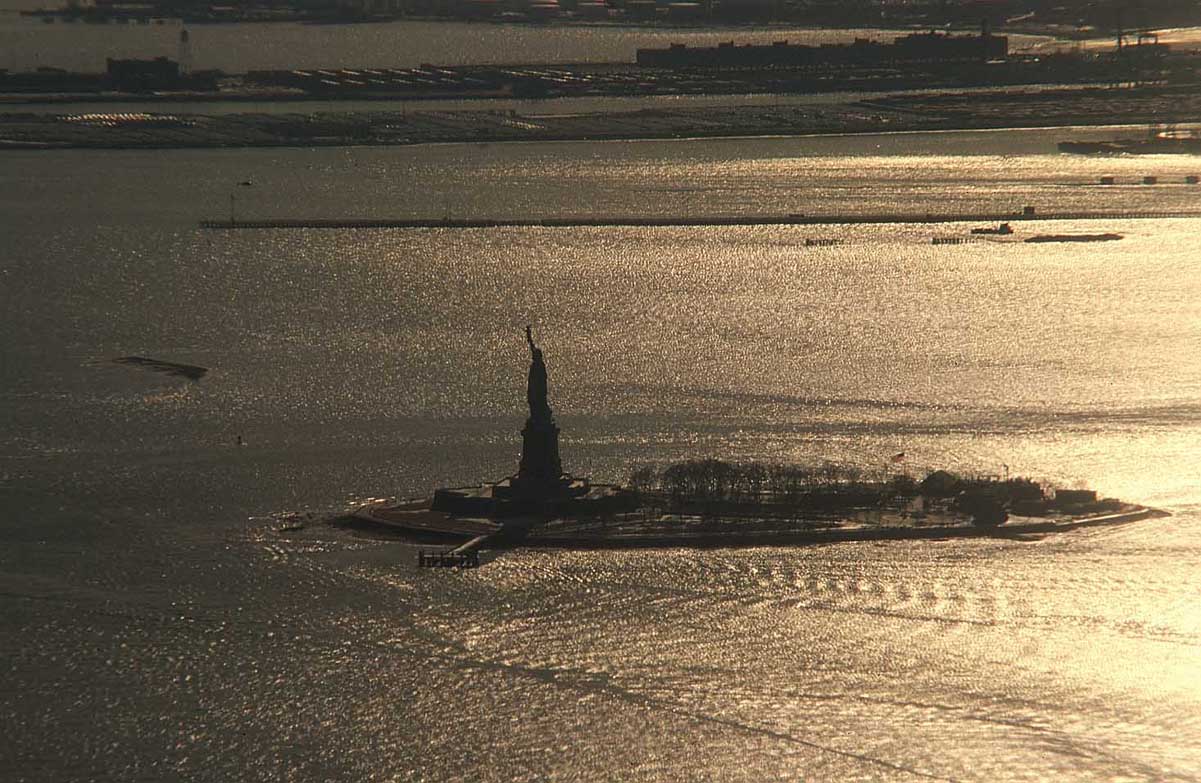
America’s most famous symbol of freedom stands on Liberty Island, accessible by ferry from Battery Park. It is usually visited along with nearby Ellis Island, where a museum commemorates the USA’s history of immigration. You can go inside the statue and ascend to its crown. France gave the statue to the United States in recognition of their friendship during the American Revolution. The statue is of the Roman goddess of freedom, Libertas, bearing a torch and a stone tablet on which is written the date of the American Declaration of Independence.
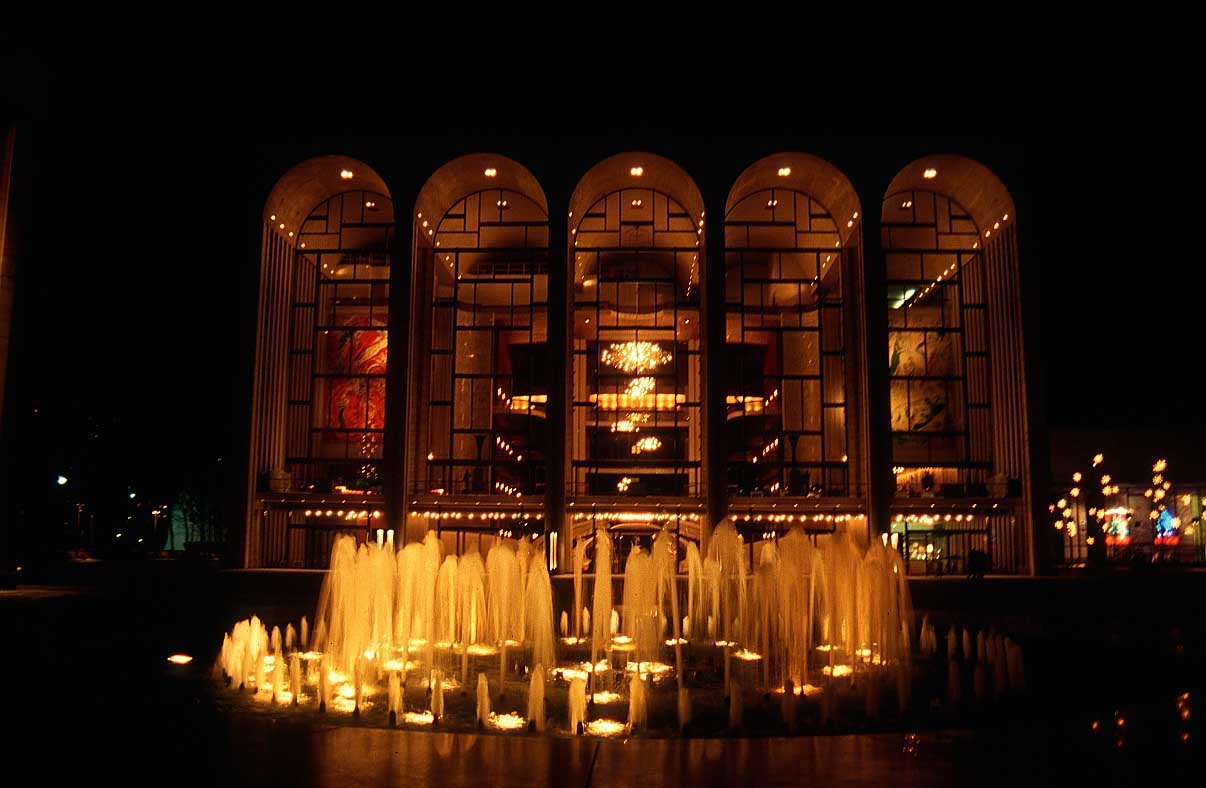
Metropolitan Opera House:
Broadway / 63rd St. The new Metropolitan Opera House at the Lincoln Center for the Performing Arts opened in 1966. The Lincoln Center for the Performing Arts is a complex of many buildings: the Metropolitan Opera, Avery Fisher Hall, New York State Theater…The complex was constructed between 1959 and 1972.
Trump Tower
737 Fifth Avenue / 56th Street. This spectacular 68-storey building was erected in 1983. Developer: Donald Trump. Architect: Swanke, Hayden & Conell.
Rockefeller Center
Rockefeller Center, named after John D. Rockefeller, consists of 19 buildings in midtown Manhattan. Rockefeller (1839-1937) made his money in oil after starting the Standard Oil Company in 1870, and became the richest man in America. During his 40 year retirement he spent a lot of the money for the public good, founding several universities in the US and the Philippines, and paying for a lot of new medical research. Rockefeller’s foundations continue to this day.
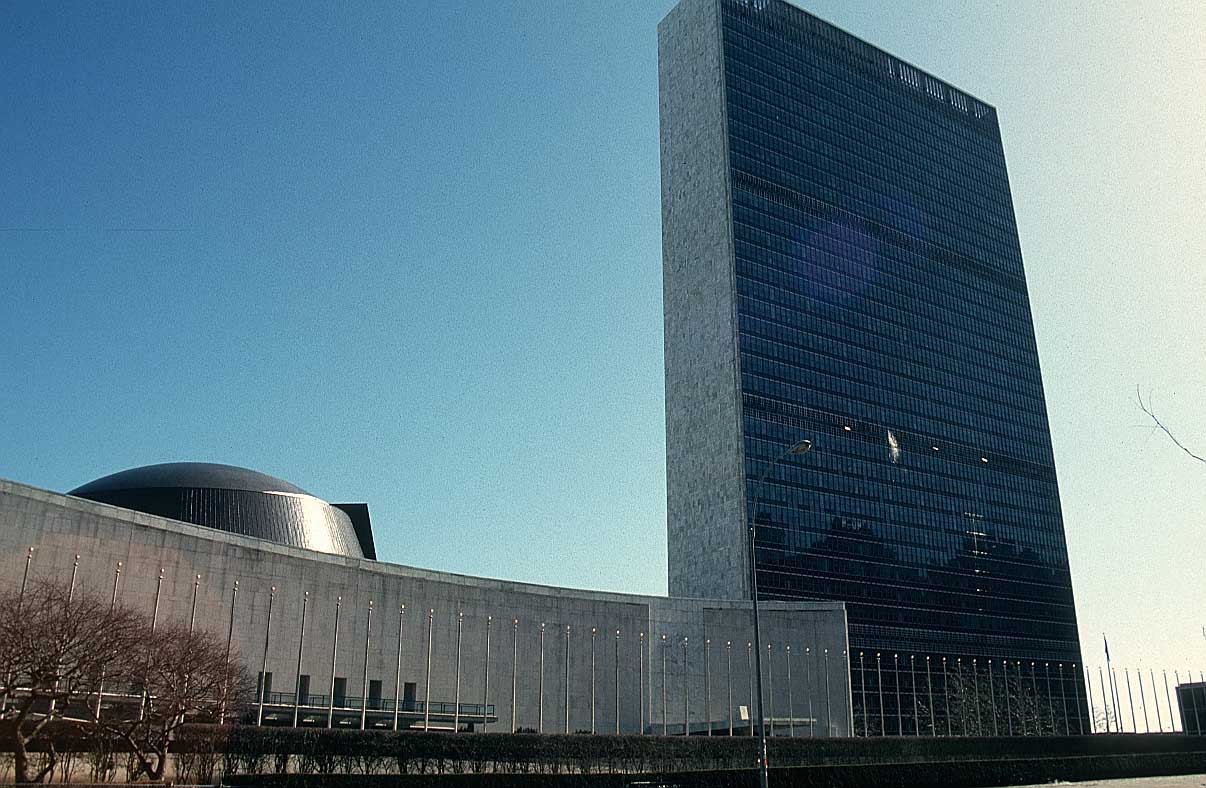
The United Nations Headquarters: Architect: Wallace K. Harrison. The 39 storey building was finished in 1953.
It is the home of the international organisation and is one of the most visited tourist attractions in New York. The complex houses the General Assembly, the Secretariat Building, the Dag Hammerskjold Building and the conference Building.
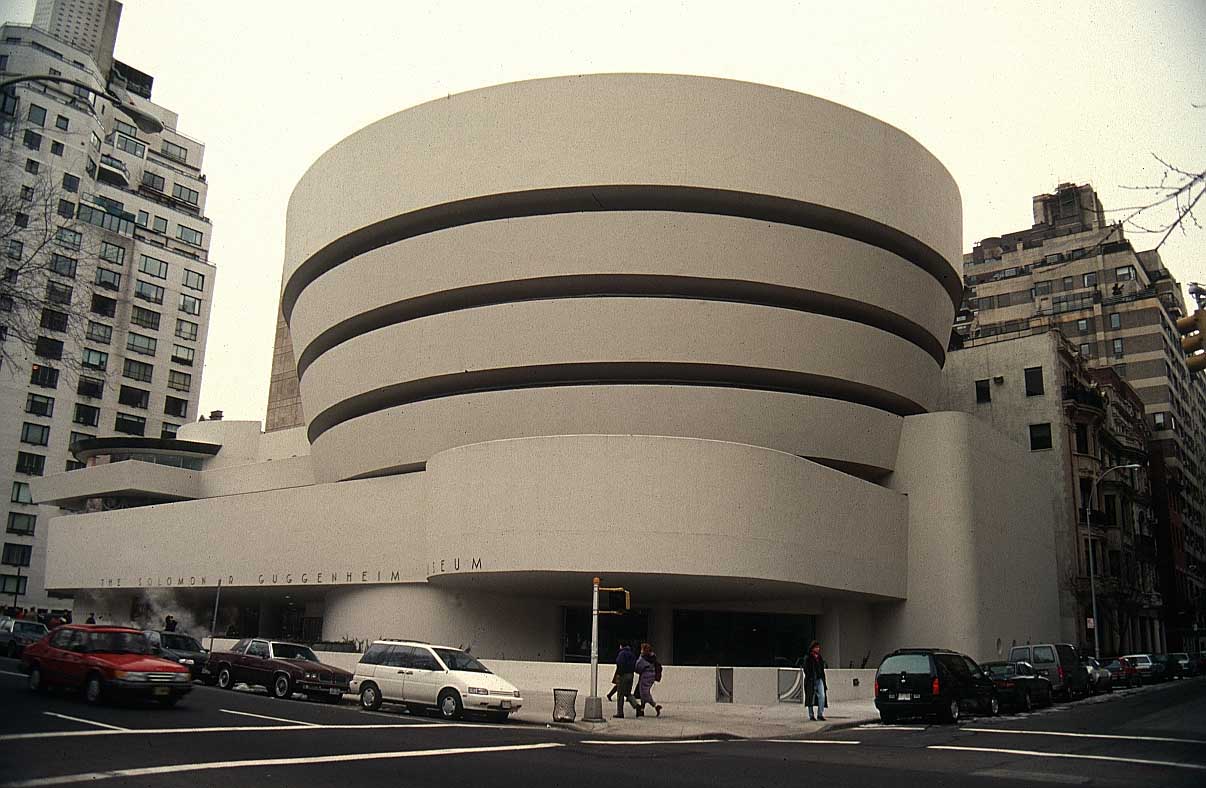
Salomon R. Guggenheim Museum: 1071 5th Ave at 89th St. Opened in 1959. Architect: Frank Lloyd Wright. “The Guggenheim” is one of the foremost museums of Modern Art in the world. Its permanent collection includes Impressionists and Post-Impressionists, as well as early Modern and contemporary art.
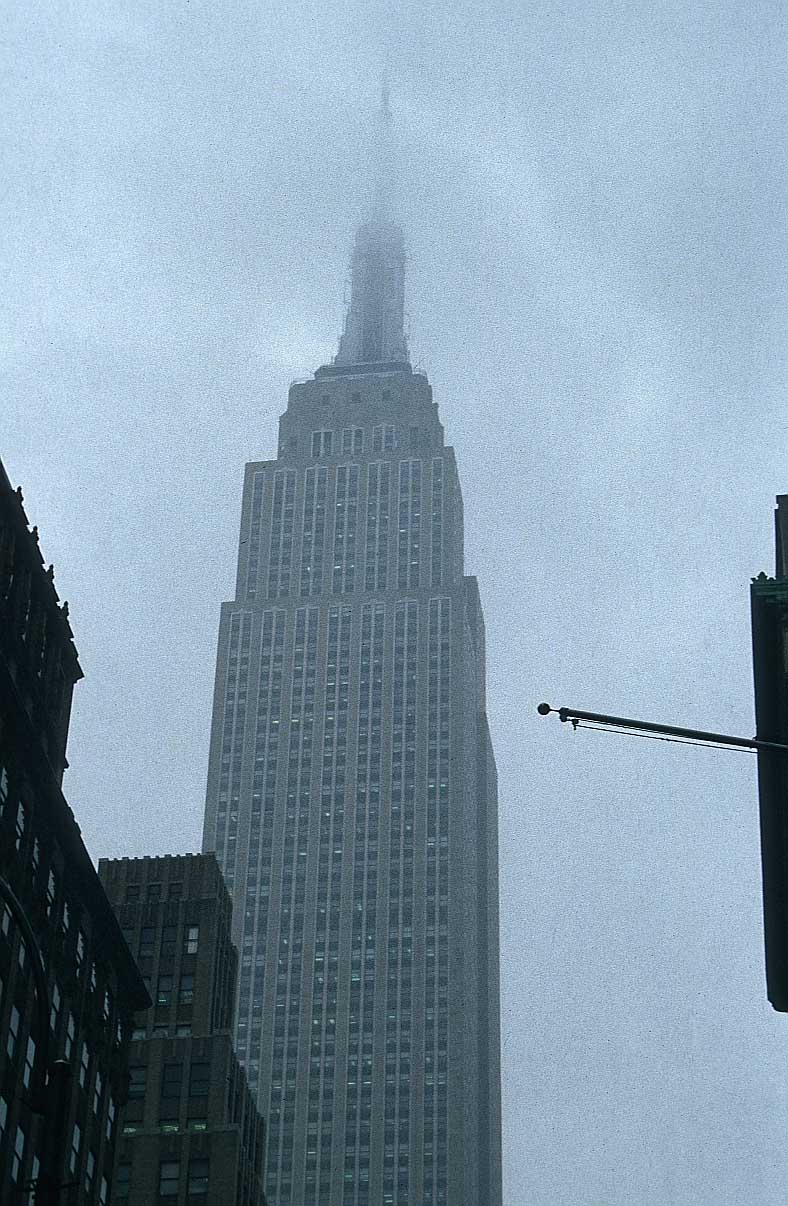
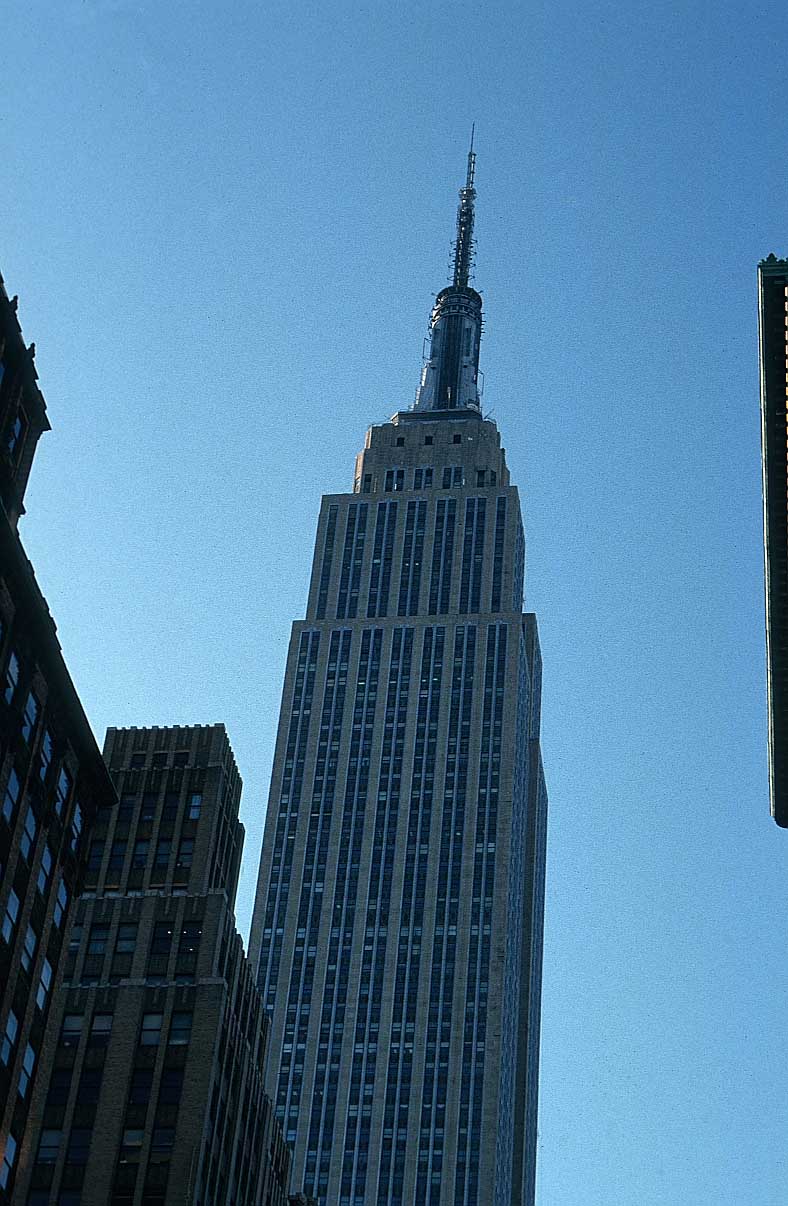
Empire State Building: At Fifth Avenue and 34th Street. Held the record as the world’s tallest skyscraper for 40 years.
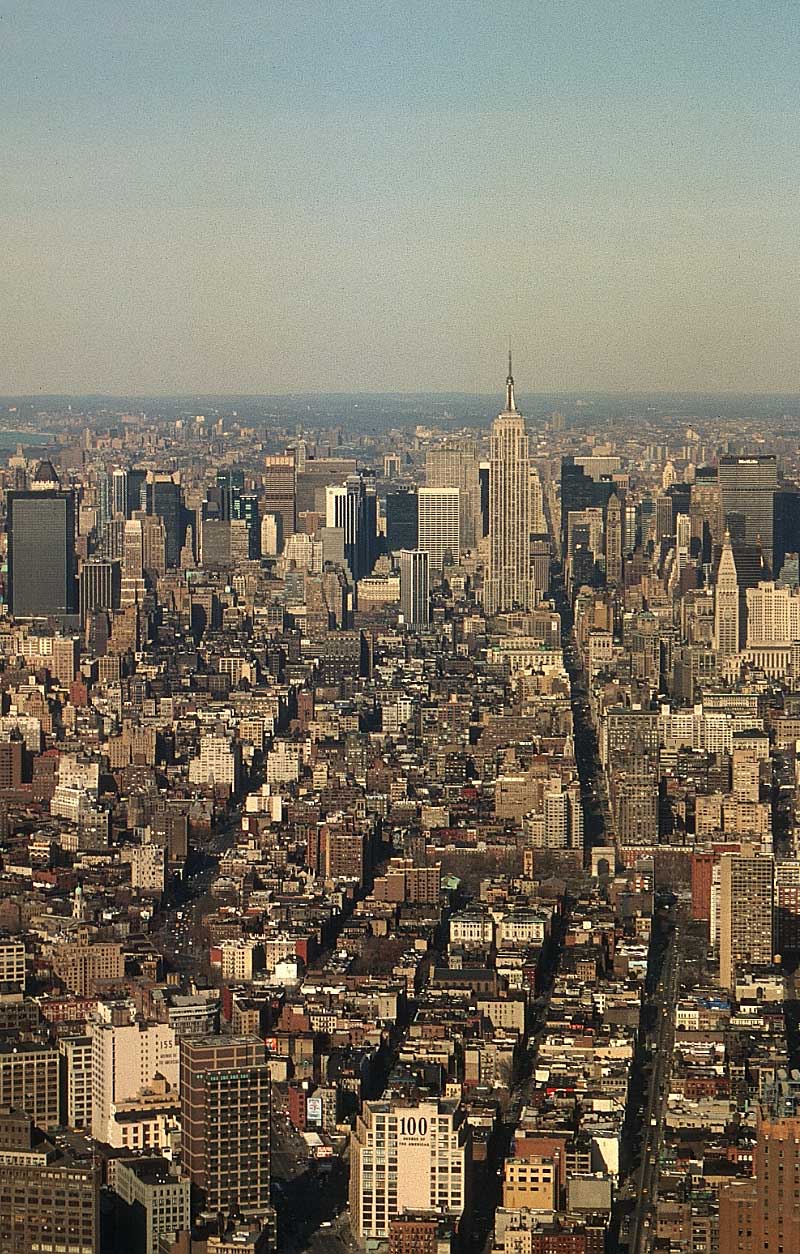
86th Floor Observatory. (1050 feet). Open 9.30 to midnight daily. Glass-enclosed area and outdoor promenades. It has 3.6m visitors per year. Some of the best views of downtown Manhattan are from this building.
World Trade Center
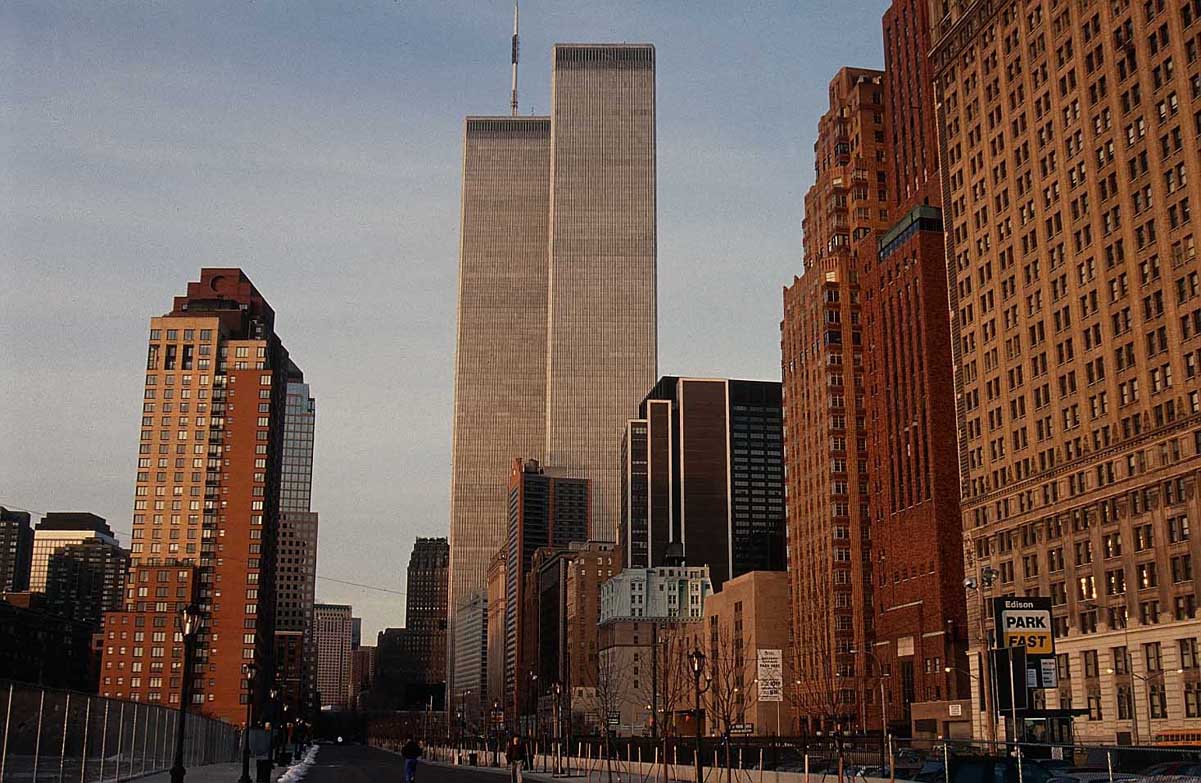
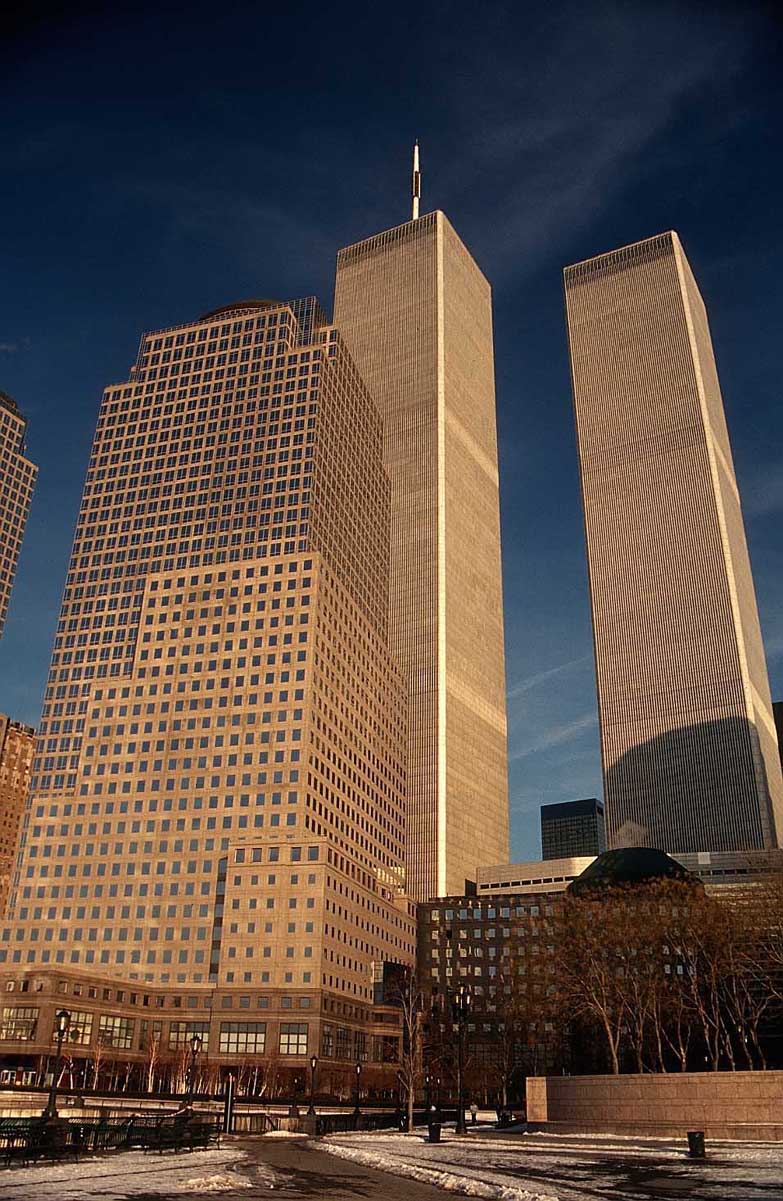
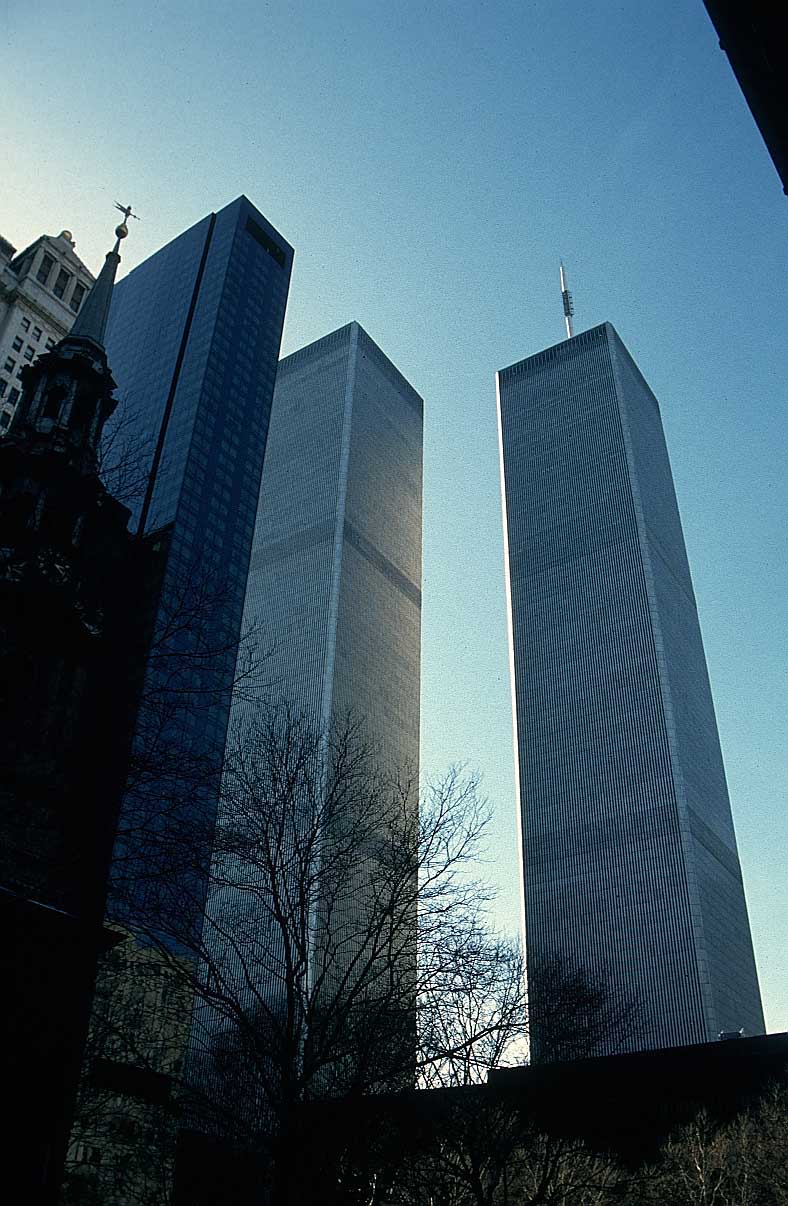
When the World Trade Center was built in 1973, it quickly became better known as “the twin towers”, which at the time were the tallest buildings in the world. The Center is most famous as the target of one of the most shocking terrorist attacks against the USA on “nine-eleven” when Islamist hijackers flew two airliners into the towers, causing the South Tower to collapse and the North Tower to burn, with the loss of 2,753 lives. Probably everyone who saw it still remembers the powerful visual image of the burning tower slowly collapsing behind billowing dust, as shown live on television.
But right from the start the World Trade Centre had led a controversial existence. Its construction required the compulsory relocation of many small businesses and 100 residents, who mounted a campaign against it; and there was criticism of the design as soulless by the American Institute of Architects.
In 1975 there was a fire in the North Tower, and in 1993, in what came to be known as “the World Trade Center bombing”, 680kg of explosive packed in a truck in the underground garage was detonated, killing 6 people. In 1998, in an event that might make a good film, the Bank of America on the 11th floor was robbed of over $2 million by a team of small-time crooks, all of whom were soon caught. One illegal but noble deed that did make a good film was the tightrope walk from one tower to the other and back again, carried out by French performer Philipe Petit. His act of skill and courage in 1974 was later documented in the film Man on Wire.
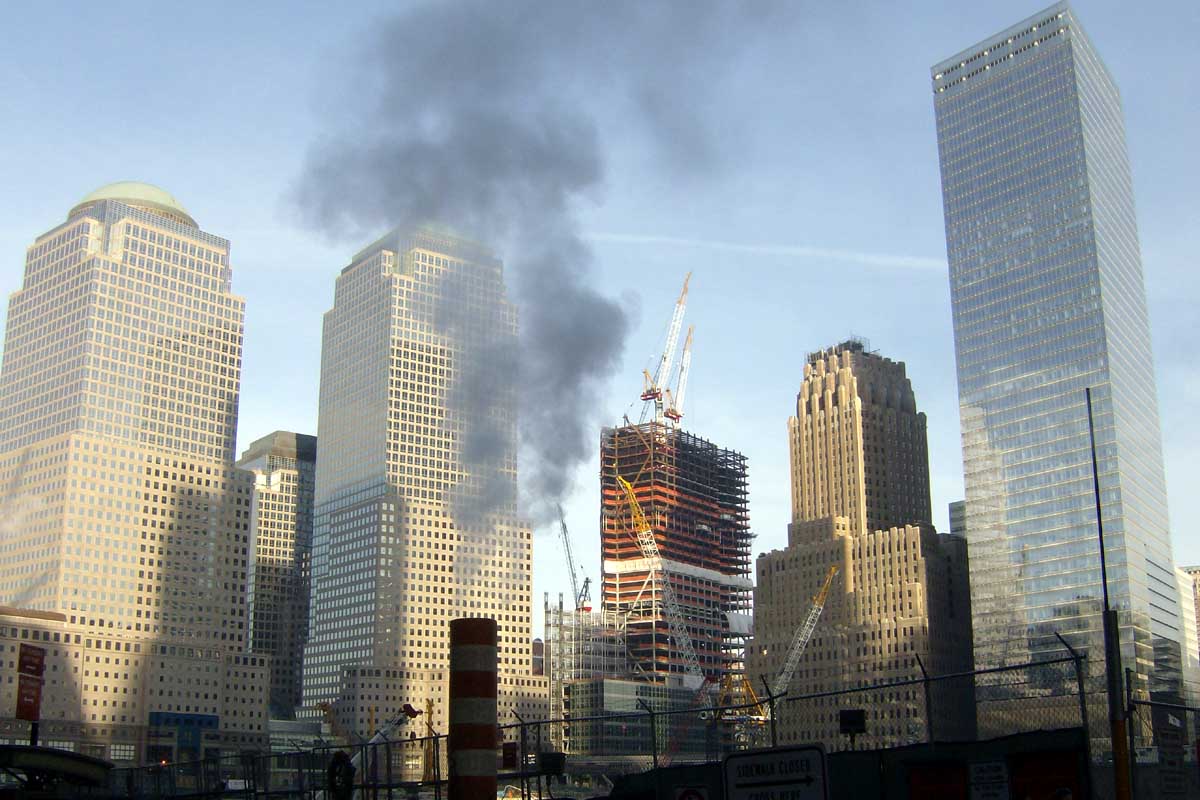
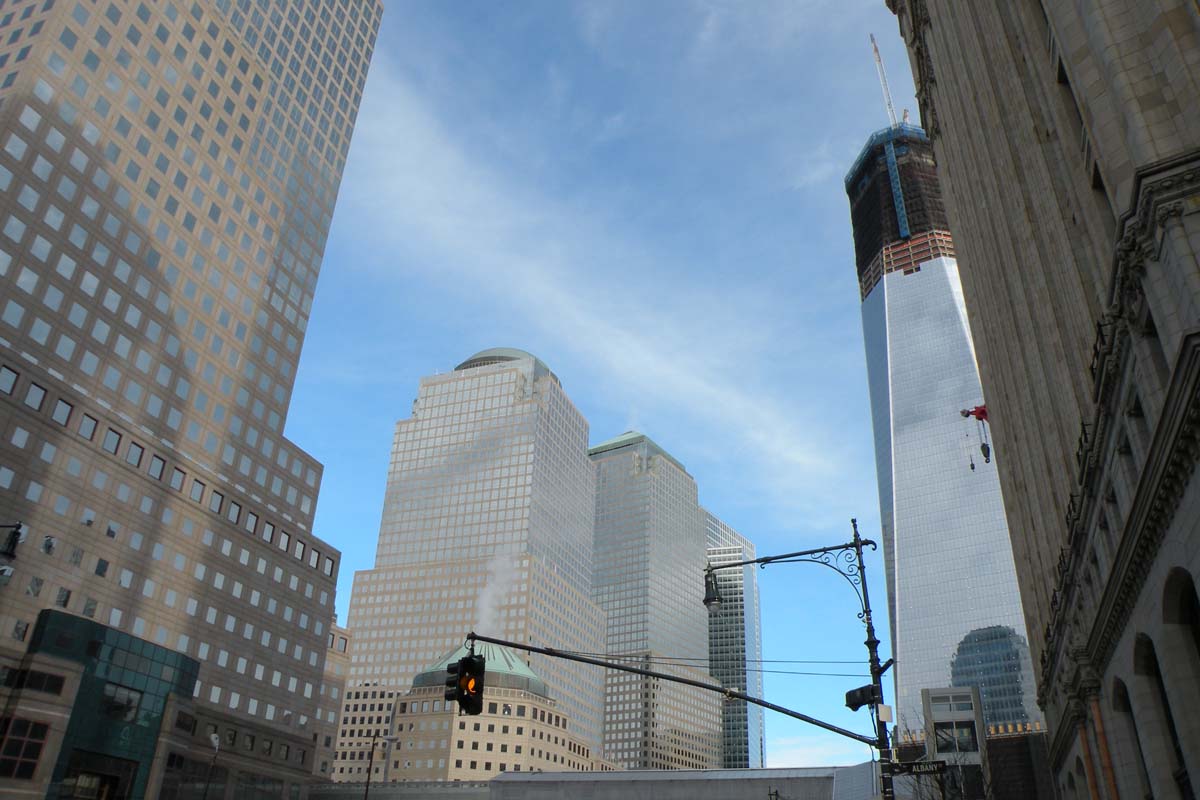
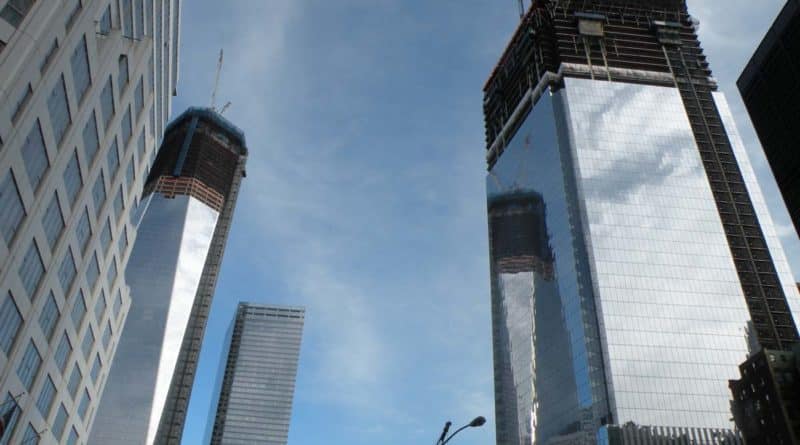
After a period as “Ground Zero”, the WTC site is being redeveloped into the “One World Trade Centre”, which will be the tallest office tower in the western hemisphere when it is completed later in 2013. There will also be a 9/11 museum and memorial, recording the names of all 2,977 victims of the World Trade Centre bombing and 9/11, including those who died on the two airliners used as weapons.