Free Photos, Set 04: 103 Mixed Pictures
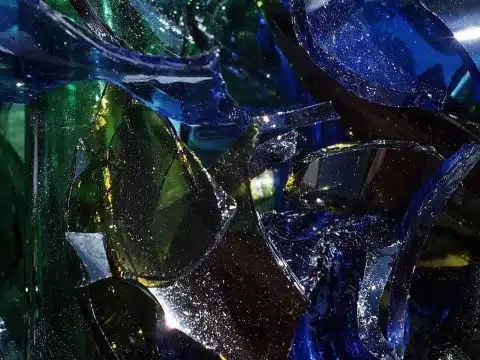
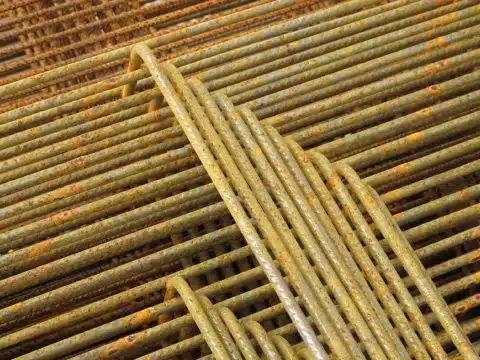
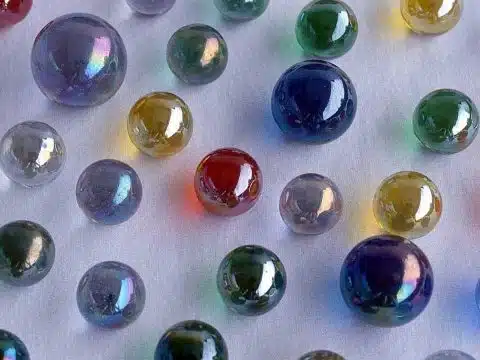
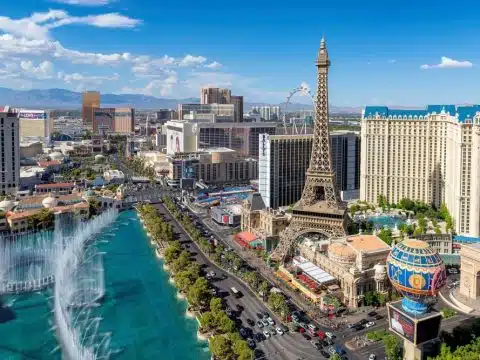
Set 04 of the BigFoto library: 103 free photos of road and ban signs, blossom, leaves and trees, lakes and the countryside, town buildings, toys, decorations and everyday objects, grouped by subject below. Click any photo to see it large and download it.
How to download: click a photo to see it large, then use Download. The originals are about 1200 × 800 pixels: right for blog posts, slides, social media, school projects and video call backgrounds.
Signs and symbols
Road signs, STOP painted on the road, a red pedestrian light, no dogs and no bottles signs, a hiking trail marker and painted shop signs.


Trees, leaves and flowers
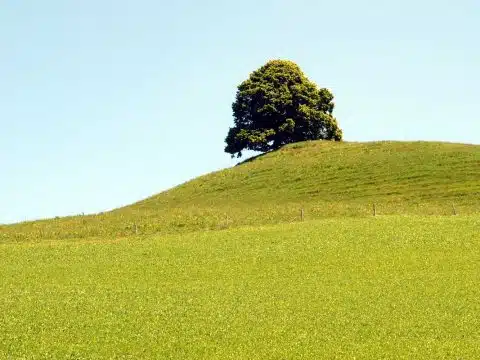
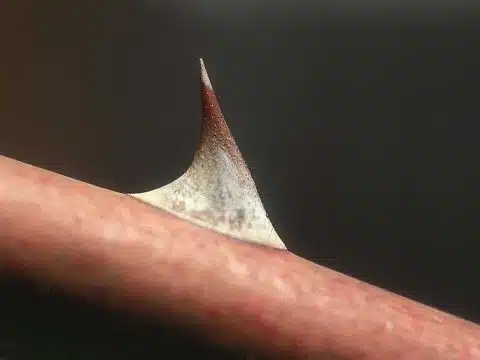
Blossoming branches, a red rose, water lilies, fresh and fallen leaves, berries, tree bark and a lone tree in a field.


Lakes, sky and countryside
A bench under the trees by a lake, buoys and pedal boats, a swan with ducklings, clouds, the moon, fields and a smoking chimney.


Town and buildings
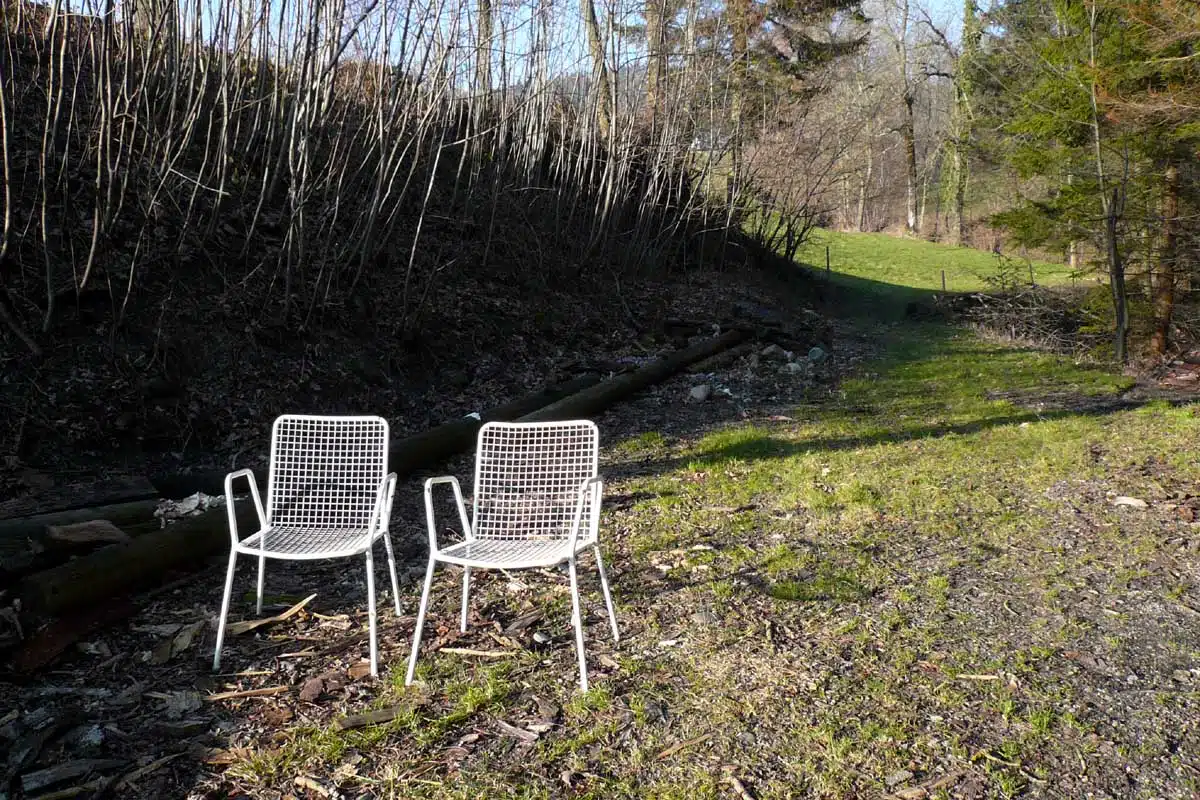
Modern and brick buildings, café chairs, a flower shop, a playground, a football crowd, city lights and skid marks on a road.


Toys, decorations and everyday objects
Clowns and cartoon figures, a Christmas bauble, garlands, euro money, cogwheels, screws, chains and kitchen spoons.


About photography
The coming of colour.
Colour as a science began in 1666, when Isaac Newton discovered the solar spectrum and that colours are present in all light. By the mid-nineteenth century the basic principles of the colour theory were established. The first true colour photograph was made by Scottish scientist, James Clerk-Maxwell in 1861. It involved three black and white photographs, each taken through a red, green, or blue filter. Three projectors were then aligned so that the images reached a screen in register providing a recognizable colour picture of a tartan ribbon. This is the basis of “colour separation”. Following experiments by many able individuals, it was not until 1936 that Kodak and Agfa almost simultaneously produced a system practical enough to market. They both launched reversal colour film for 35 mm still cameras. These Kodak and Agfa tripacks were extremely slow, but throughout the 1940s film speeds increased. These slide films however did not wholly fill the needs of amateur photographers. They wanted colour prints. These followed in the 1950s. Since then chemists have made huge progress and today we have colour films giving superb saturation and sharpness even with fast films.
More free photos
- Free photos, set 03
- Free photos, set 05
- Free flower pictures
- Free house and architecture pictures
- Free spring pictures
- Free close-up pictures
Questions about set 04
Can I use these photos for free?
Yes, for personal and commercial projects. All we ask is a link back to BigFoto.com; the box at the top of the page has a credit link you can copy.
Why is this a mixed set?
These photos were added to the library in batches of about a hundred and did not fit one theme or place. They are grouped by subject on this page; the sets before and after it hold more of the same kind of everyday pictures.