Rotterdam in Pictures: 28 Free Photos and a Short City Guide
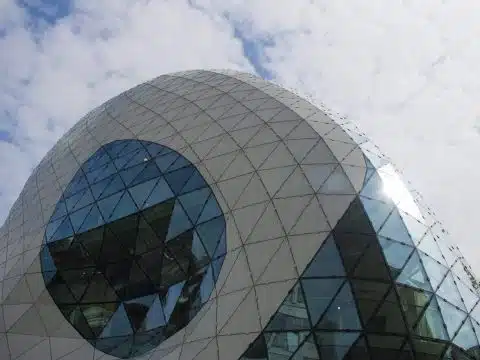
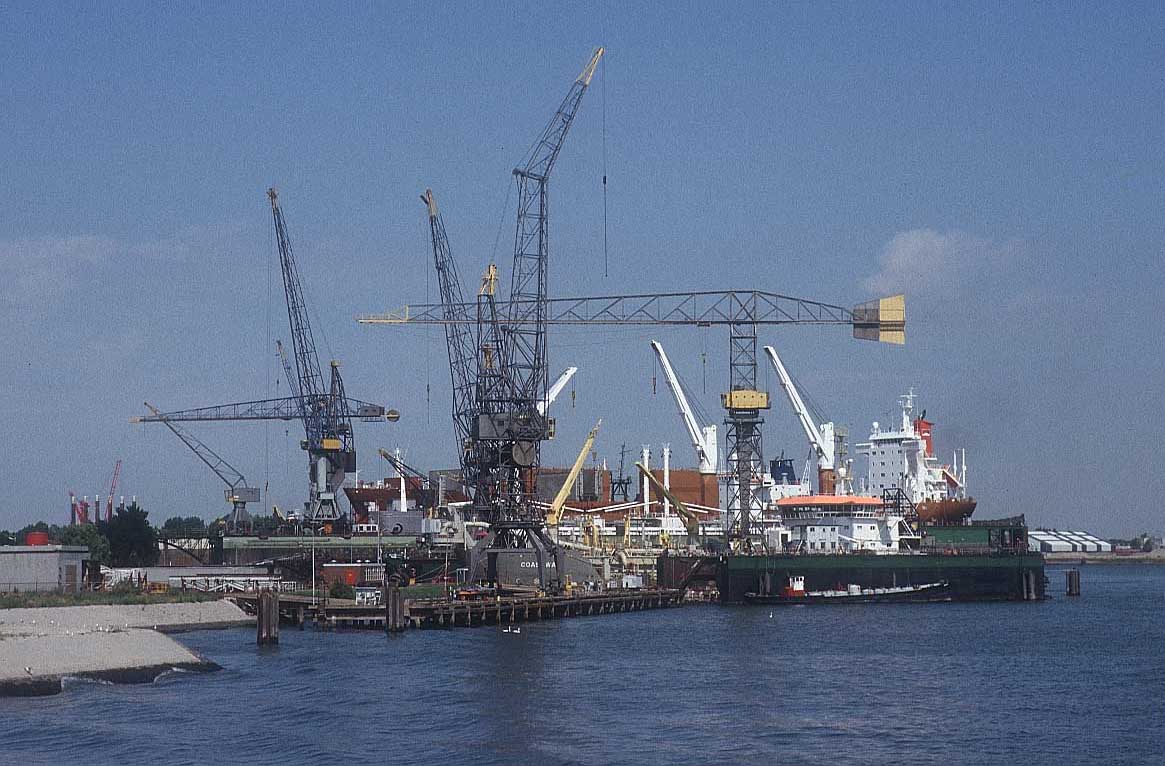
Rotterdam in 28 free photos: the white Erasmus Bridge over the Maas and Hotel New York on its quay, the yellow cube houses and the boats of the old harbour, the cranes, ships and containers of the largest port in Europe, the Euromast and the city from above, and the bold towers of a centre rebuilt after the war. Each set of photos has a short note on the place.
Rotterdam at a glance
- Getting there: about 25 minutes by train from Schiphol airport and 40 from Amsterdam; Rotterdam The Hague Airport is small.
- Getting around: metro, trams and water taxis; tap in with a contactless card.
- Money: euro.
- When to go: all year; summer brings festivals on the river.
How to download: click a photo to see it large, then use Download. The originals are about 1200 × 800 pixels: right for blog posts, slides, social media, school projects and video call backgrounds.
The Erasmus Bridge and the Kop van Zuid
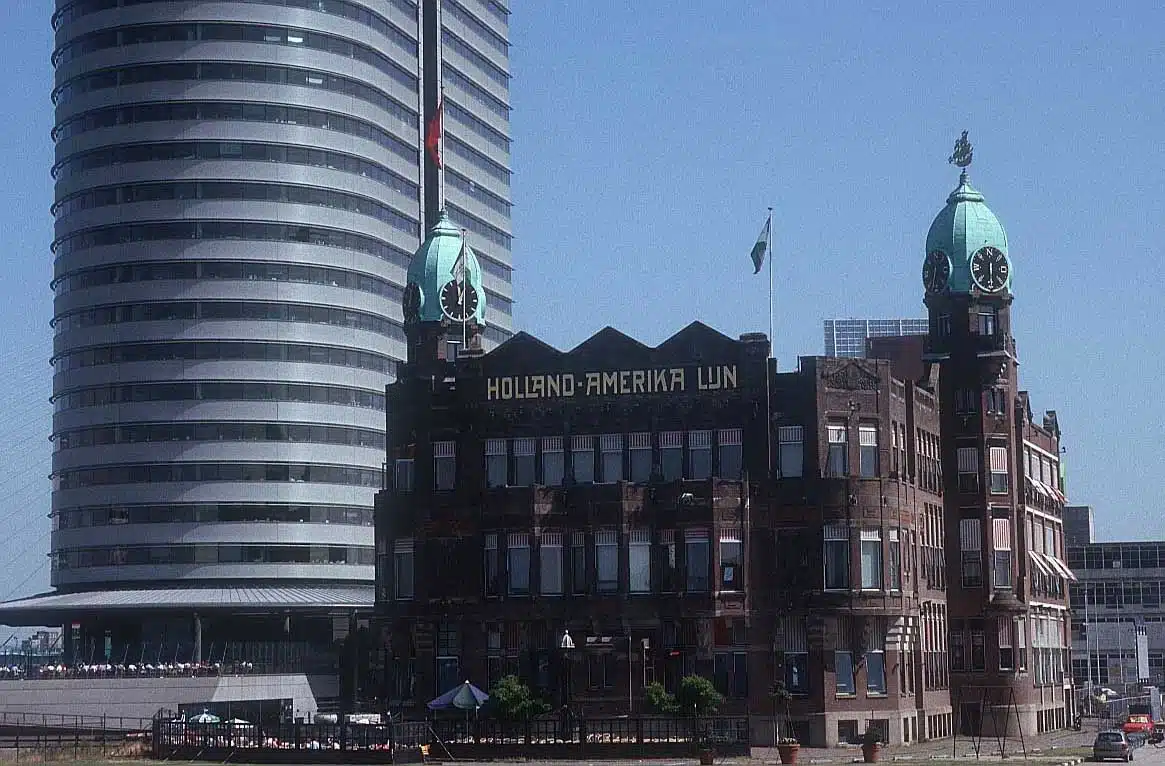
The centre of Rotterdam was destroyed by bombing in May 1940, and the city chose to rebuild it as a showcase of modern architecture. The Erasmus Bridge of 1996, nicknamed the Swan, links the centre with the Kop van Zuid, where the old head office of the Holland America Line is now Hotel New York, among new towers.


The cube houses and the old harbour
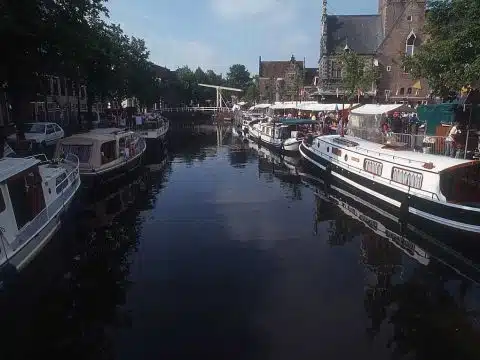
Piet Blom’s cube houses of 1984, tilted yellow cubes on concrete posts, stand above the Oude Haven, the old harbour, where historic barges are moored; one cube is open to visitors. Nearby is the Markthal, the arched market hall with homes in its roof.


The port
Rotterdam is the largest port in Europe, stretching some 40 km from the city to the North Sea. Harbour boat tours leave from below the Erasmus Bridge, past shipyards, cranes and container terminals.




The Euromast and the city from above
The Euromast, a tower of 1960 next to Het Park, has a viewing platform at about 100 metres and a rising glass cabin that takes you higher still.


The city centre
City Hall, one of the few buildings to survive the bombing, the old Central Station, shopping streets and towers of glass and steel.


Tips for a first visit
- Take a harbour tour to understand the city; it lasts about 75 minutes.
- See the cube houses, the Markthal and the Oude Haven together; they are next to each other.
- Go to Kinderdijk by waterbus for the windmills.
More about Rotterdam
Rotterdam is one of the few thoroughly modern cities in Holland, offering adventuresome modern architecture and delightful culture. The city centre, apart from the City Hall, was almost completely destroyed by bombing in World War II, so had to be gradually rebuilt from the 1950s on. Modern Rotterdam seems to specialize in high buildings, having the tallest residential building in Holland (the New Orleans Tower, 158.35 metres), the tallest office building (Maastoren, 164.75 metres) and The Euromast, a 186 metre tower visible from miles around, giving a superb view of the city, the River Maas and the port. Rotterdam has the Netherlands Architecture Institute and the Berlage Institute of architecture, which may explain the presence of so many modern landmarks.
Another is the iconic Erasmus Bridge, one of the most photographed in Holland, which has appeared in several Hollywood movies. Designed by Ben van Berkel and opened by Queen Beatrix in 1996, the deck is suspended on cables from a 139 metre high asymmetric pylon. At 808 metres it is the longest cable-stayed bridge in the world. This powerful structure is floodlit at night, allowing for some great photographs.
With its mix of small independent boutique-style shops and international megastores, shopping in Rotterdam has something for everyone, and all budgets. The first pedestrianised shopping streets in Holland, the Lijnbaan, opened in 1953, since when several modern shopping centres have been built in the city. Customers have a choice of shopping in a mall or vibrant street atmosphere, and shops in the city centre open 7 days a week, something still unusual in Holland.
Since Rotterdam is ‘the gateway to Europe’ and one of the busiest ports in the world, a visit to the Maritime Museum seems appropriate (closed Mondays). Five minutes walk from Erasmus Bridge, the museum’s exhibits include model ships, a multi-media show about the port, and an exploration of navigation from early maps to GPS. Children will enjoy the ‘Real Pirates’ exhibition, as well as the opportunity to help Professor Splash get ready for his next voyage by sorting fish, loading and unloading ships and deciding on his next destination.
Continuing the nautical theme, you could take a trip on Splashtours’ amphibious bus, which will show you the main sights of the city followed by a trip on the Maas River in the same vehicle. (Departs from the bus stop next to the Maritime Museum and lasts an hour.)
In 2010, Rotterdam was voted World Festival and Event City, and visitors from all over the world attend its many and varied cultural festivals in summer and winter. In April the Stand Out To Sea Festival fills the inner harbor with arts and culture for three days, bringing together artists, musicians, DJs and story-tellers. In June the 5-day Summer Carnival and Dunya Festival floods the city with colourful music and dance, literature, theatre and street carnival. In December it’s the Now and Wow Festival of electronic music, pop culture, fashion, design and art and theatre. Also in December, China Light Rotterdam hits The Park at the Euromast, with dazzling laser shows and live Chinese song and dance, set among fantastic light sculptures including a 100 metre long dragon!
Sport is also a big feature of Rotterdam, with three professional football clubs including Feyenoord, Europe’s most successful baseball team, and long traditions of boxing, basketball and swimming. Its annual international marathon is on one of the fastest courses in the world, and the city is bidding to hold the 2018 Youth Olympics.
The Ladiesrun Rotterdam marathon in June intriguingly claims to “combine competitive running with shopping and good company”, so cleverly exploiting three of Rotterdam’s greatest assets!
Navigating History: A Deep Dive into Maritime Museums in Rotterdam
Nestled within the bustling port city of Rotterdam, the maritime museums stand as tributes to the city’s rich seafaring heritage and its pivotal role in shaping global maritime trade. From towering cranes to historic vessels, these institutions offer visitors a window into Rotterdam’s maritime past, present, and future. Join us as we embark on a journey through the maritime museums of Rotterdam, exploring their diverse collections, immersive exhibits, and enduring maritime traditions.
Maritime Museum
At the heart of Rotterdam’s maritime legacy lies the Maritime Museum Rotterdam, a beacon of nautical history and innovation. Housed within historic warehouses in the city center, the museum traces the evolution of Rotterdam from a modest fishing village to one of the world’s largest ports.
The museum’s extensive collection includes ship models, navigational instruments, and maritime artifacts that showcase Rotterdam’s maritime prowess over the centuries. Visitors can embark on a virtual voyage aboard historic vessels, experience life in a 19th-century seaport, and learn about the city’s maritime innovations, from the development of container shipping to the construction of the iconic Erasmus Bridge.
One of the highlights of the Maritime Museum Rotterdam is the Maritime Museum Harbour, where visitors can explore a fleet of historic ships, including the steam-powered tugboat “Furie” and the last surviving wooden whaling ship, the “Flora.” Through guided tours and interactive exhibits, visitors gain insight into the challenges faced by sailors and the importance of Rotterdam’s maritime heritage.
World Maritime Museum
For those eager to delve deeper into the global maritime industry, the Rotterdam World Maritime Museum offers a comprehensive exploration of maritime commerce, technology, and culture. Located in the striking Maritime Quarter, the museum’s modern architecture reflects Rotterdam’s commitment to innovation and sustainability.
The museum’s permanent exhibitions delve into diverse aspects of maritime life, from the history of navigation to the impact of globalization on the shipping industry. Interactive displays allow visitors to captain a ship, navigate through treacherous waters, and experience life aboard a modern container vessel.
A particular highlight of the Rotterdam World Maritime Museum is its collection of historic maps, charts, and globes, which trace the evolution of maritime cartography and exploration. Visitors can marvel at intricate navigational instruments and celestial maps that guided sailors across the oceans in centuries past.
Historic Ships in Rotterdam
Rotterdam’s maritime museums extend beyond their walls to include a fleet of historic ships moored along the city’s waterfront. These floating museums offer visitors a unique opportunity to step aboard historic vessels and experience maritime history firsthand.
The SS Rotterdam, once the flagship of the Holland-America Line, now serves as a floating hotel and museum, offering guided tours of its opulent interiors and historic decks. From the grand ballrooms to the engine room, visitors can immerse themselves in the glamour and grandeur of transatlantic travel in the mid-20th century.
Another notable vessel is the HNLMS Buffel, a 19th-century ironclad ram ship that played a crucial role in the defense of the Netherlands. Moored alongside the Maritime Museum Rotterdam, the Buffel allows visitors to explore its cramped quarters, towering gun turrets, and formidable armor plating, offering a glimpse into the realities of naval warfare in the 19th century.
Future of Maritime Museums in Rotterdam
As Rotterdam continues to evolve as a global maritime hub, its maritime museums are poised to play a crucial role in shaping the city’s maritime identity and promoting maritime heritage for future generations. With ongoing efforts to preserve historic vessels, expand museum collections, and engage with local communities, these institutions are committed to ensuring that Rotterdam’s maritime legacy remains vibrant and accessible to all.
In Rotterdam, the maritime museums serve as portals to the city’s seafaring past and vibrant maritime present. From historic ships to cutting-edge exhibits, these institutions celebrate Rotterdam’s maritime heritage and its enduring connection to the sea. Whether exploring the Maritime Museum Rotterdam’s collection of artifacts or navigating the interactive exhibits of the Rotterdam World Maritime Museum, visitors are invited to embark on a journey through time and discover the rich tapestry of Rotterdam’s maritime history.
More free photos
- Netherlands pictures
- The Hague pictures
- Amsterdam pictures
- Berlin pictures
- Free bridge pictures
- Free ship pictures
Questions about these Rotterdam photos
Can I use these Rotterdam pictures for free?
Yes, for personal and commercial projects. All we ask is a link back to BigFoto.com; the box at the top of the page has a credit link you can copy.
Why does Rotterdam look so modern?
Its old centre was destroyed by German bombing on 14 May 1940. Instead of rebuilding the past, the city became a testing ground for architects, from the cube houses to the Erasmus Bridge and the Markthal.