Croatia, Hrvatska
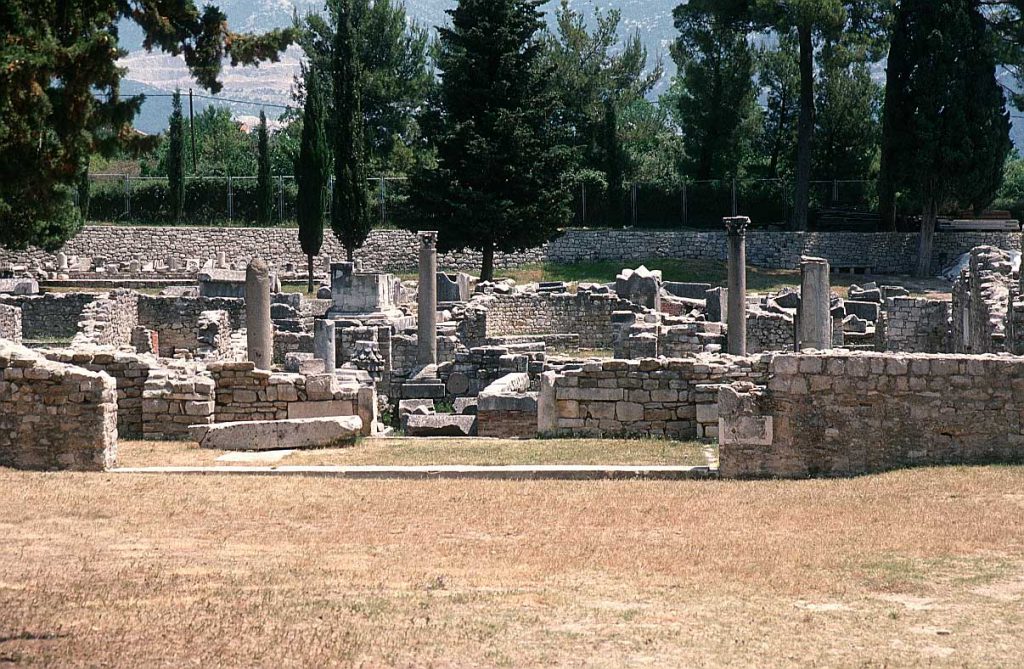
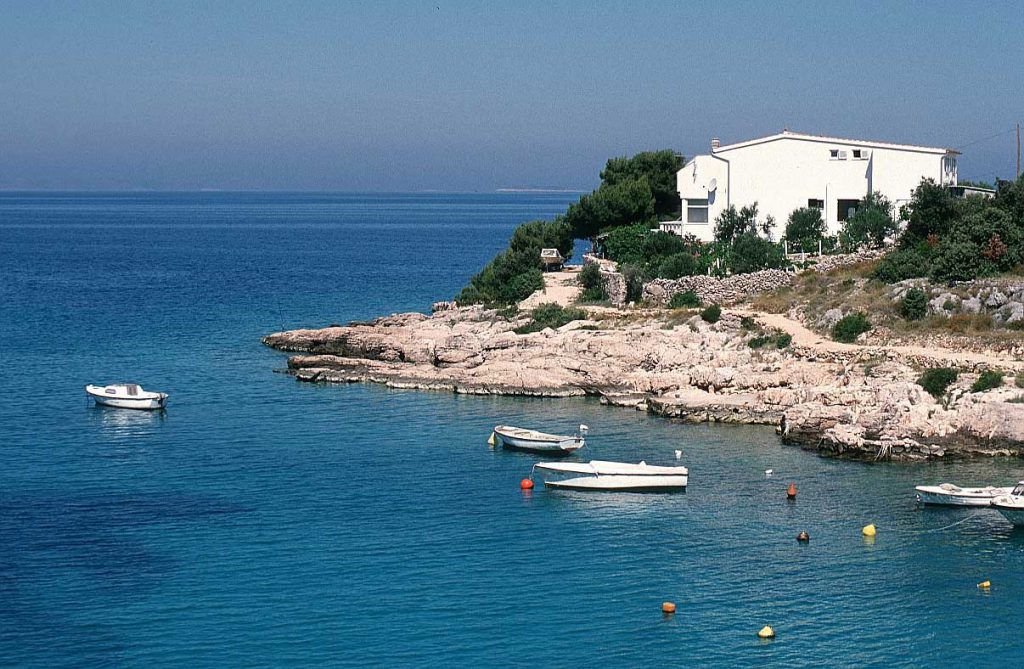
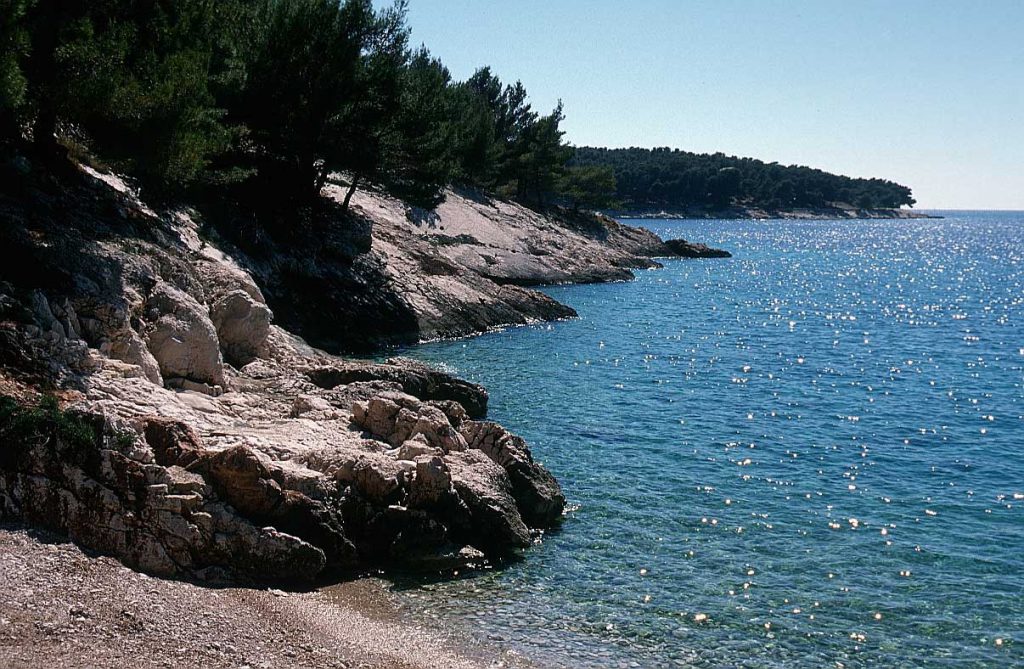
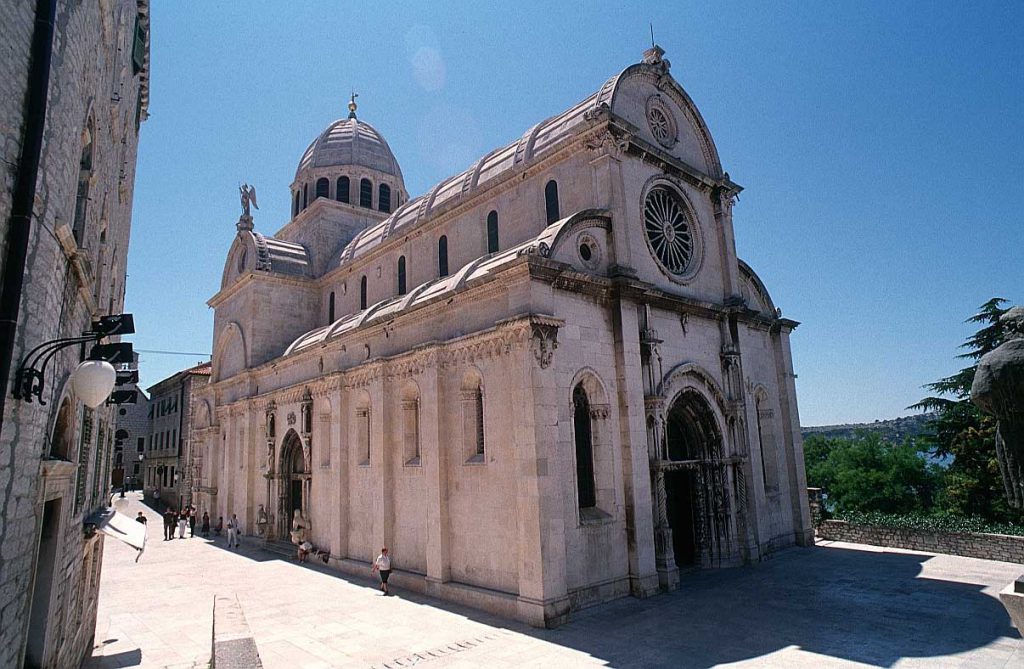
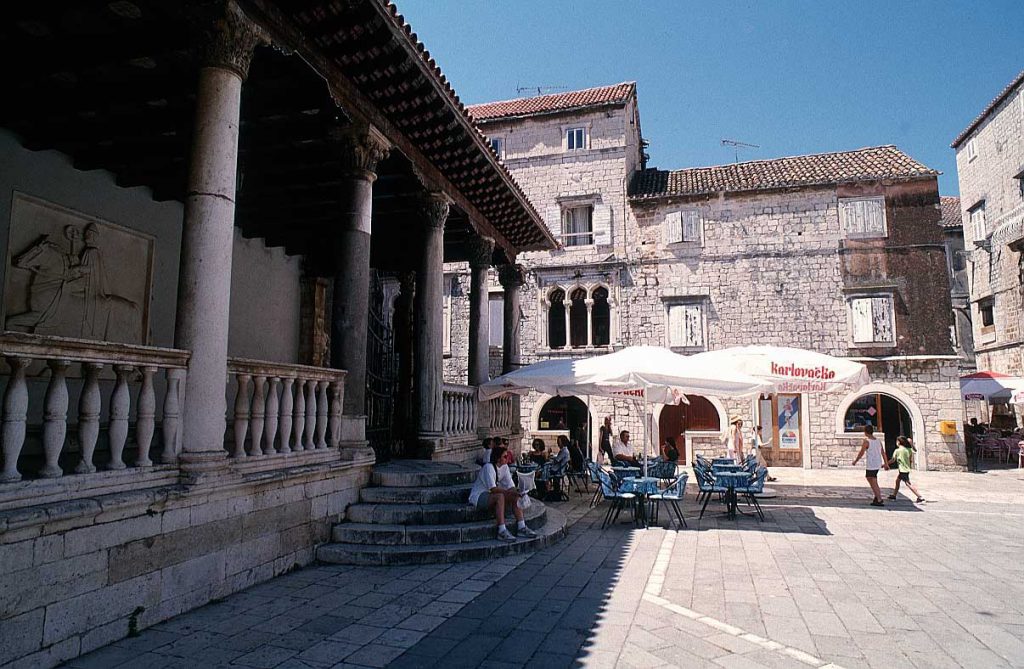
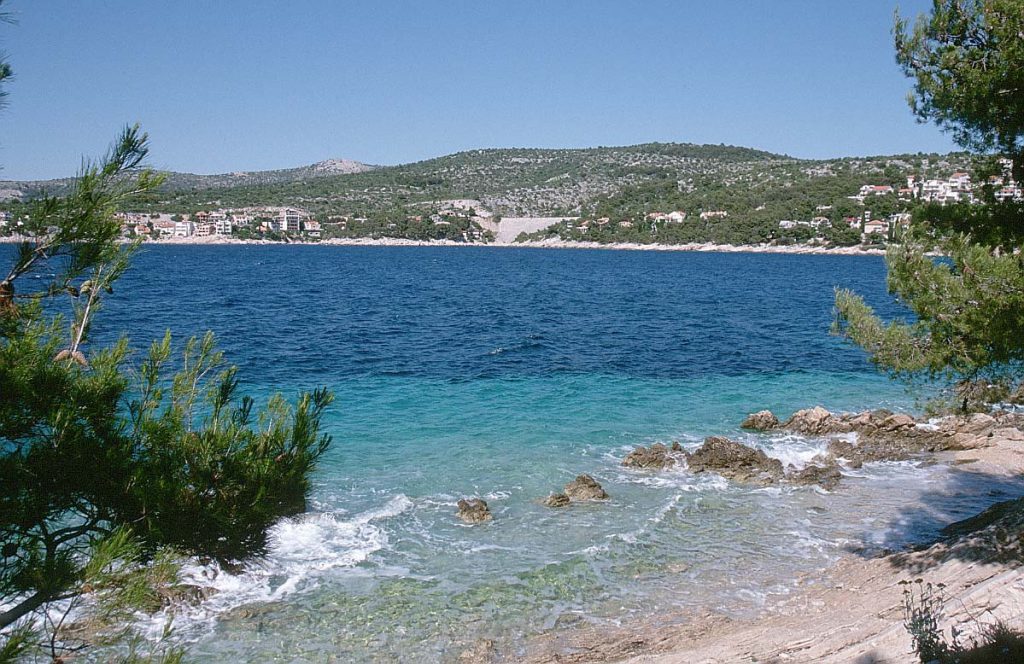
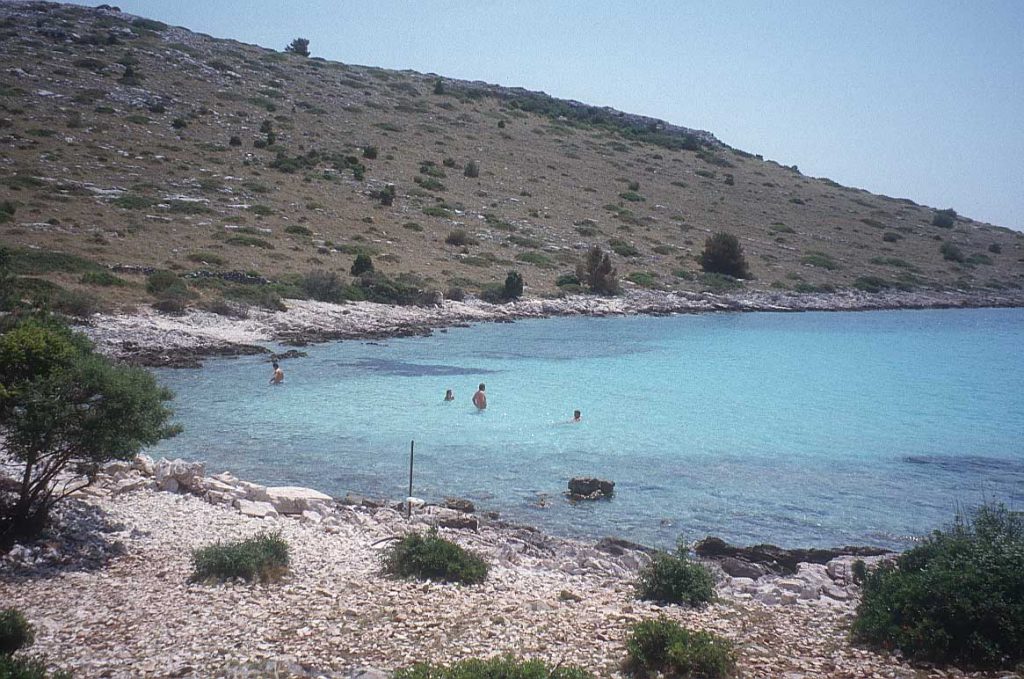
According to the country’s tourist board, Croatia’s Adriatic coast is “the Mediterranean as it once was”, and indeed most of the tourists who make it the 18th most popular destination in the world flock either to the Istrian peninsula in the north or the Dalmatian coast further south. Croatia has 7 sites on Unesco’s World Heritage list. The Romans were there from the 1st to the 7th century AD, and they left behind many well preserved buildings of great interest. Other architectural influences include Venice (Istria is the closest part of Croatia to Italy) and Austria. Italians still make up the largest number of visitors, and Istrian restaurants serve excellent sea food and pasta. Its coastline is a mixture of rocky coves and open sandy beaches, and numerous holiday complexes provide accommodation for sun and sea worshippers.
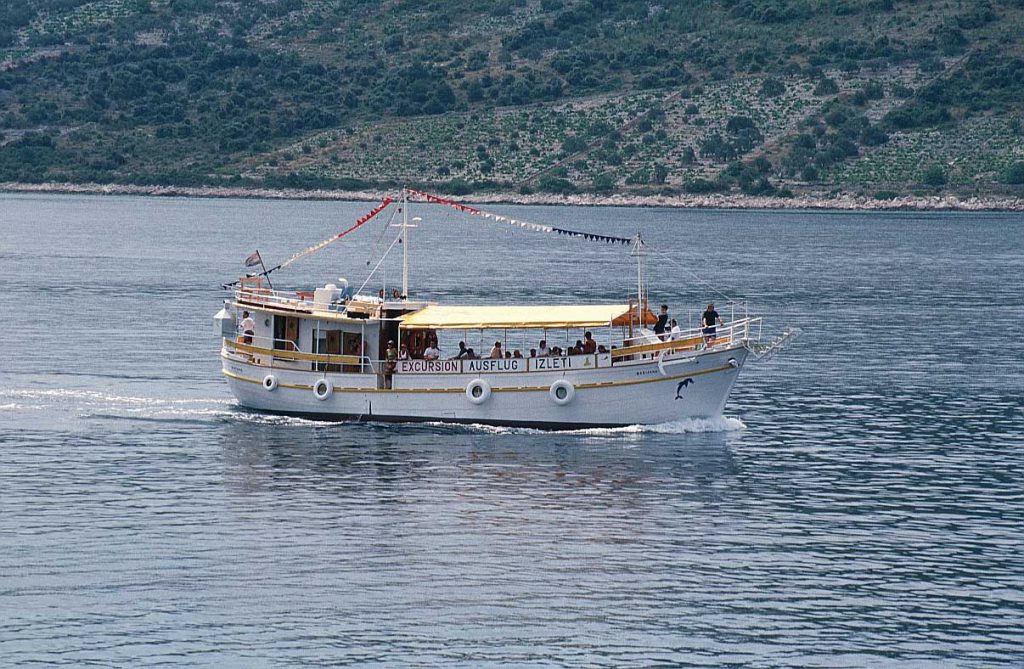
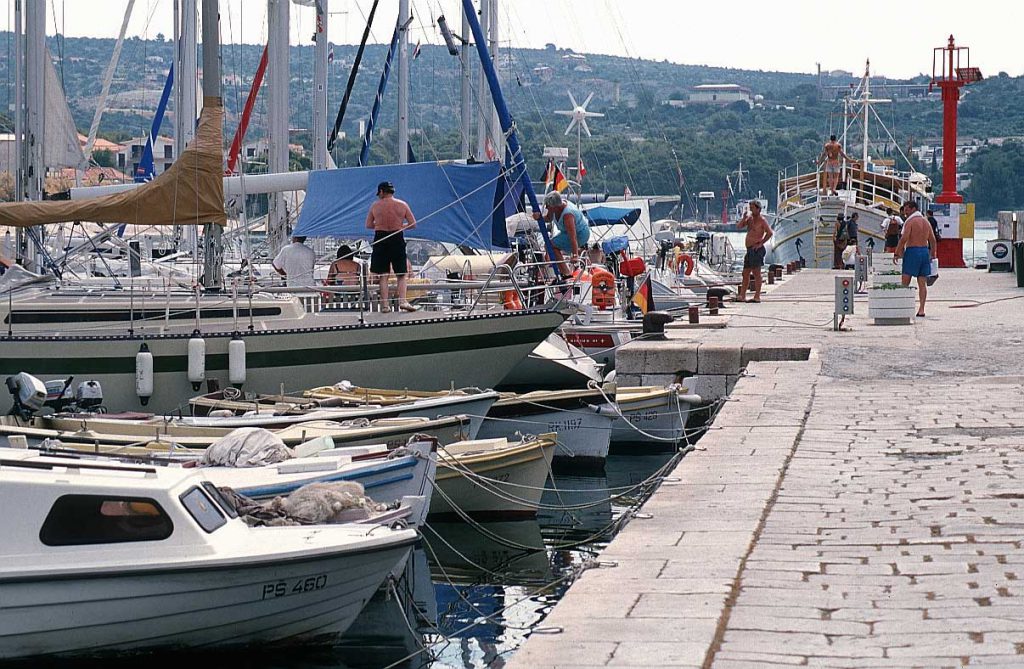
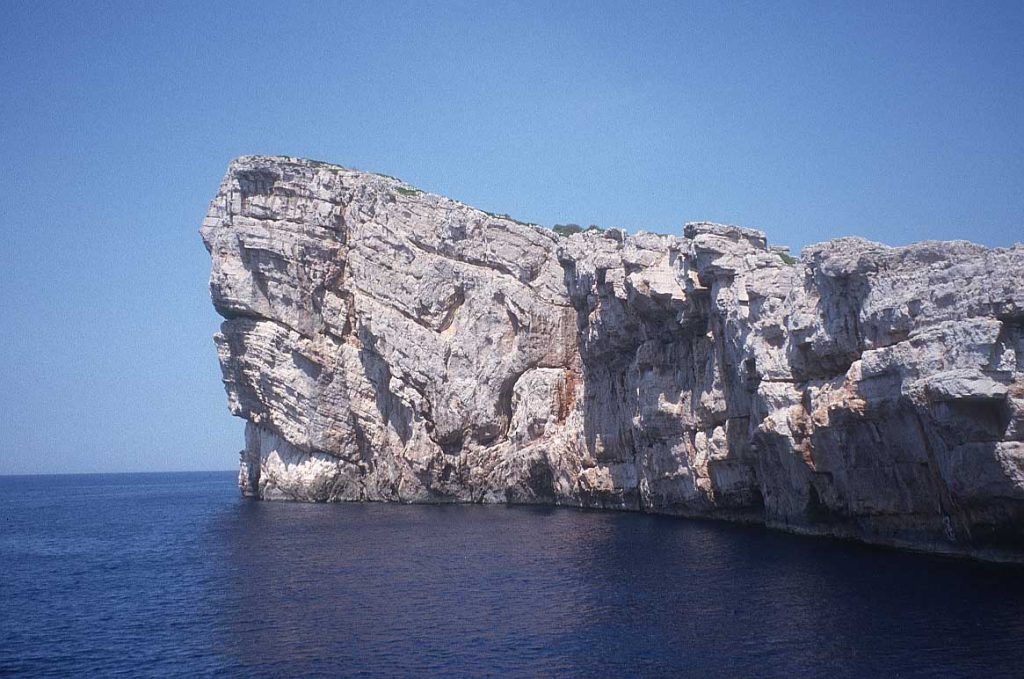
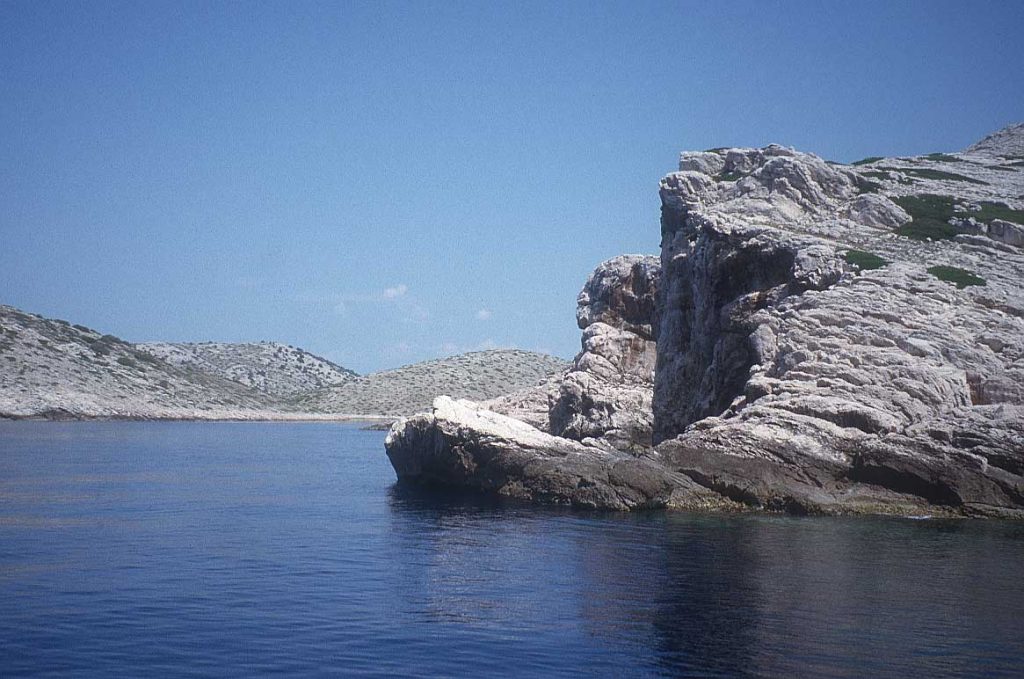
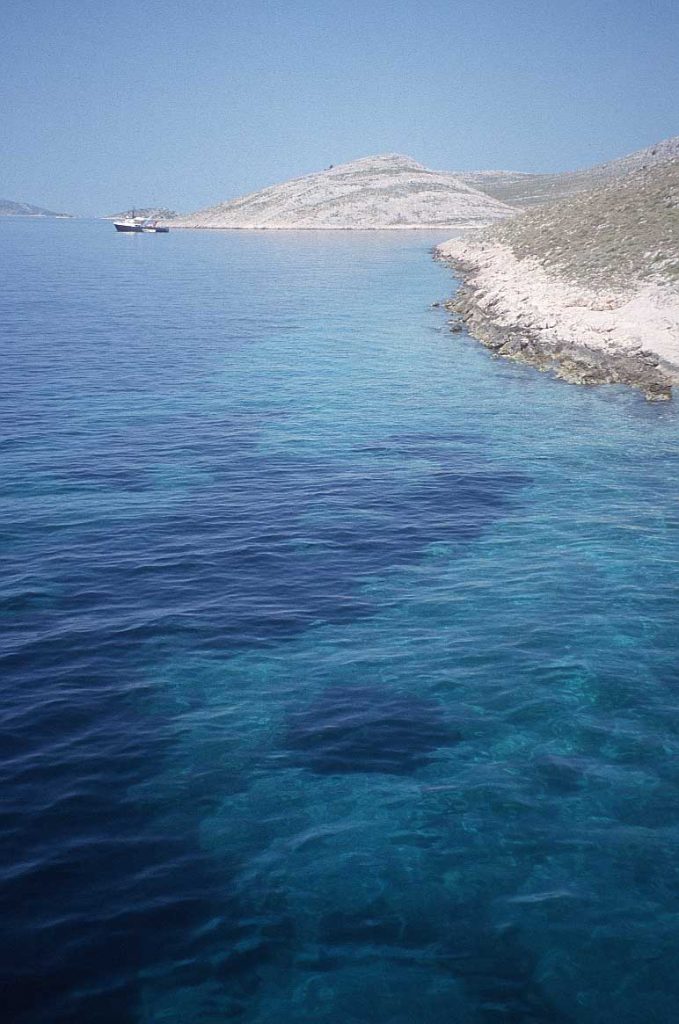
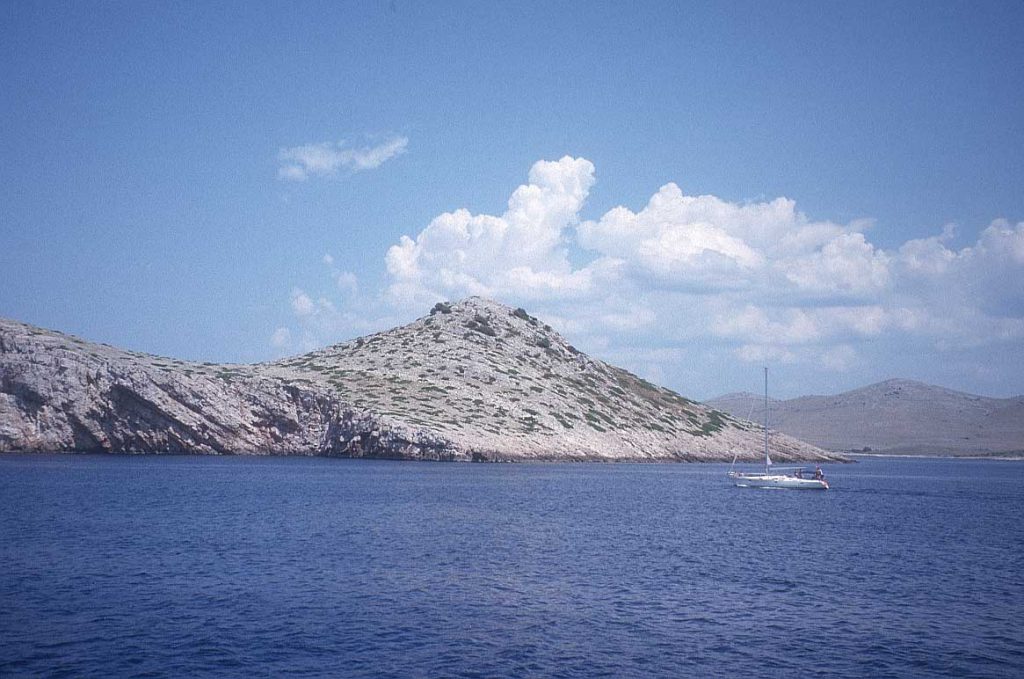
Off the Croatian coast lie over 1,000 magical islands, of which only around 50 are inhabited. An increasingly popular way to see some of them is to join a sailing ship with about 30 passengers and a crew of five. In a week you will visit seven islands, typically arriving in the afternoon and spending the night on the boat in harbour, before leaving after breakfast for the next island. More comfortable, but possibly less fun, are the many cruise liners calling at ports in Dalmatia, allowing passengers to spend a day there. Indeed, if you prefer to explore Split or Dubrovnik in peace and quiet, it is a good idea to look at the schedule of cruise ship arrivals and choose a day when there isn’t one due!
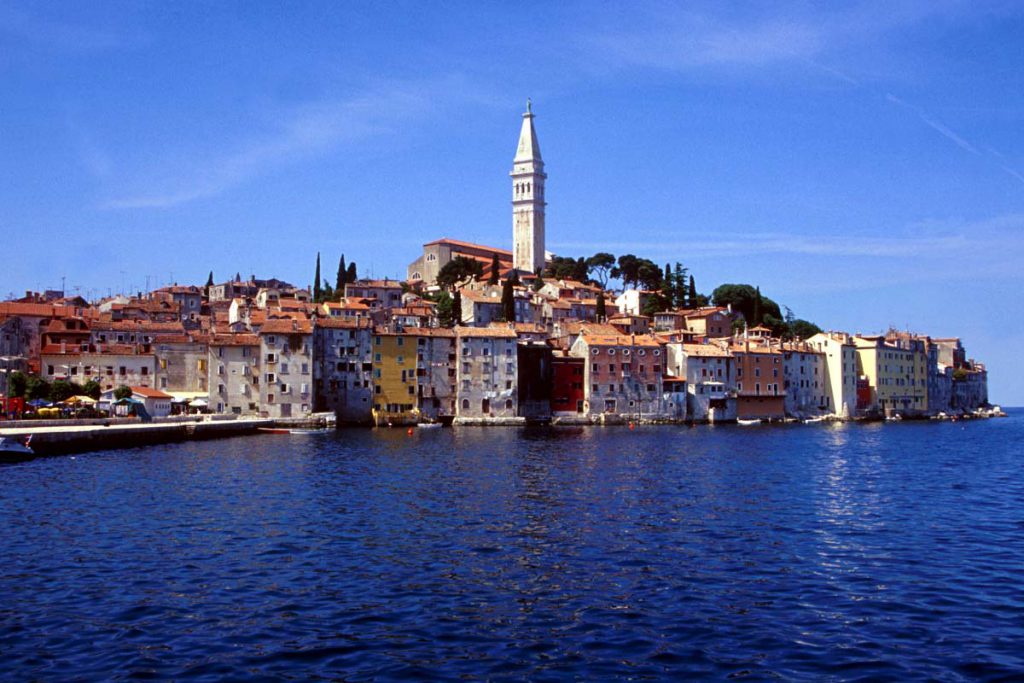
Rovinj
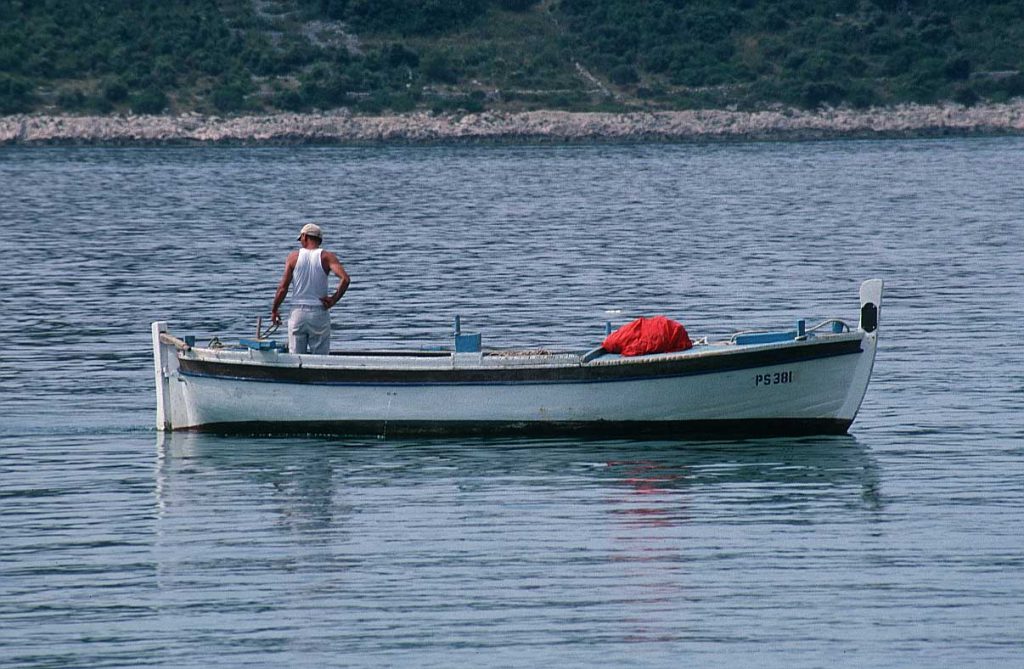
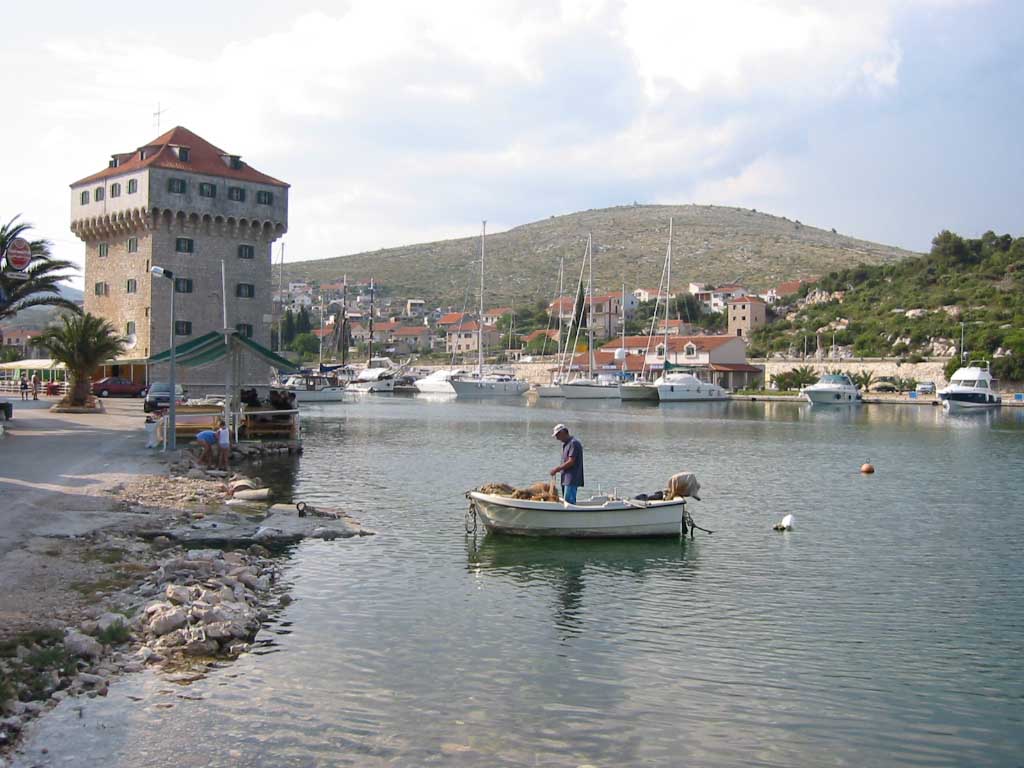
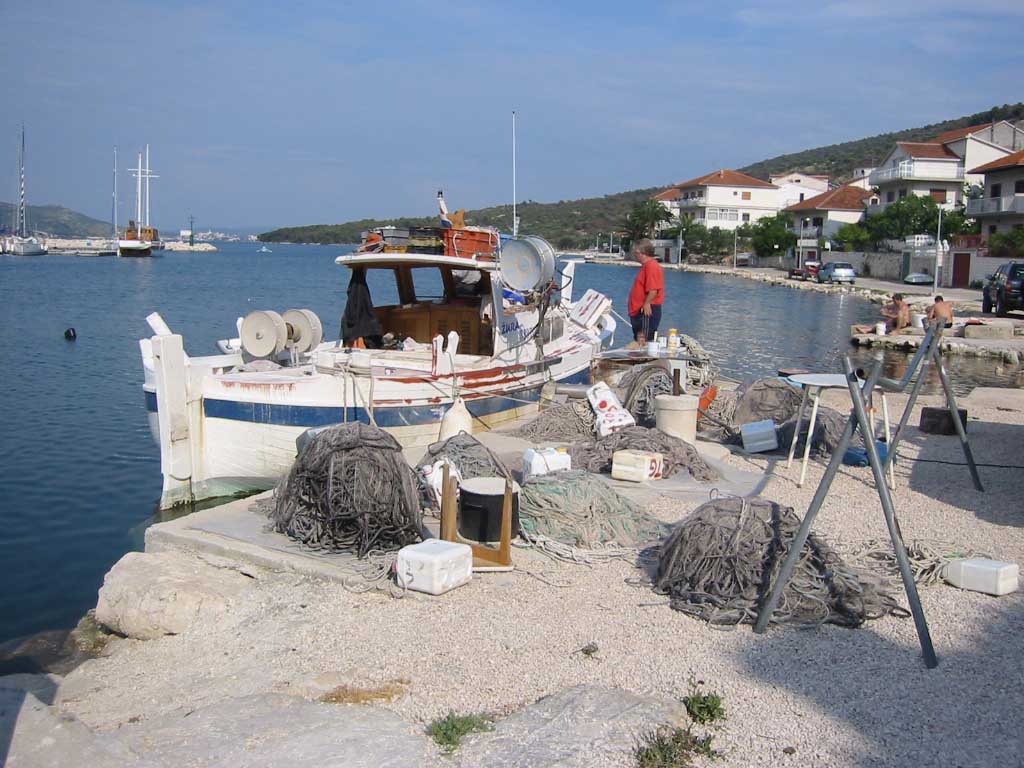
Although one of the more touristy places in Istria, Rovinj presents an opportunity to see one of the last true fishing ports in this part of the world.
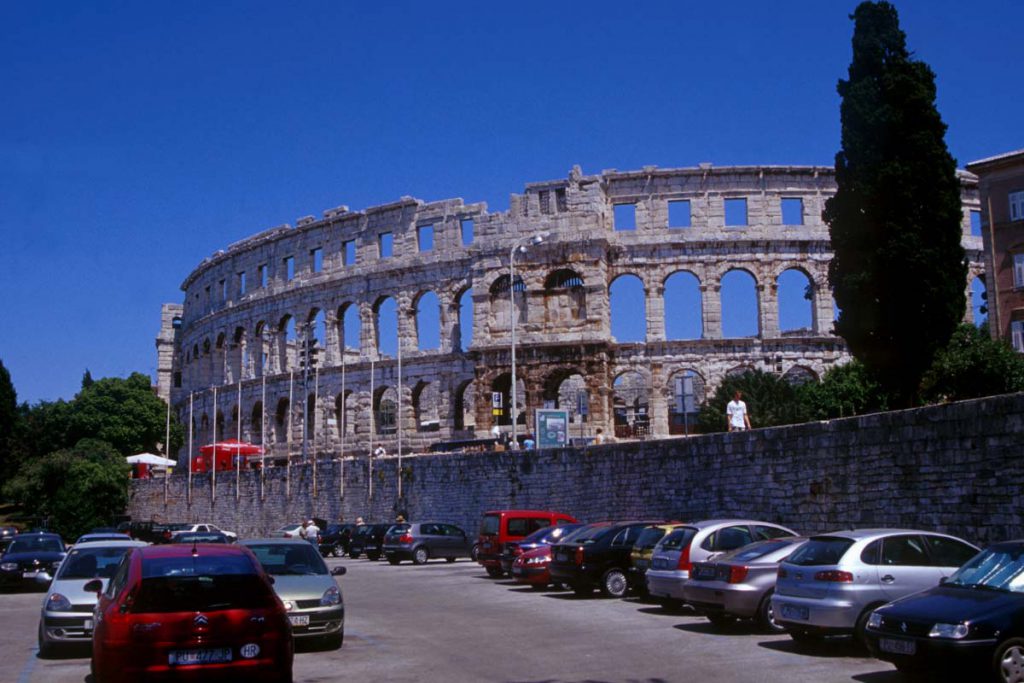
Pula
My favourite among the Roman remains is the remarkably preserved amphitheatre in the Istrian regional town of Pula. Still sufficiently intact to be used for concerts and shows, it is a fascinating place to spend an hour. There are many other Roman buildings in this largely unspoiled shipbuilding, fishing and winemaking centre, with its mild climate and fine views of the Adriatic. For a small town, Pula offers good nightlife.
Split
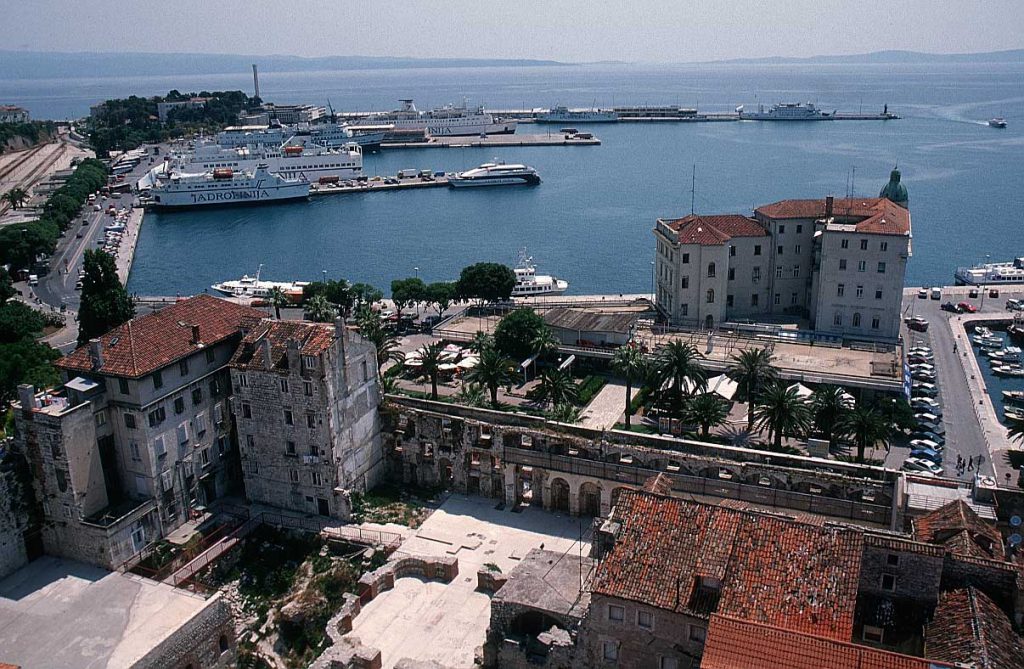
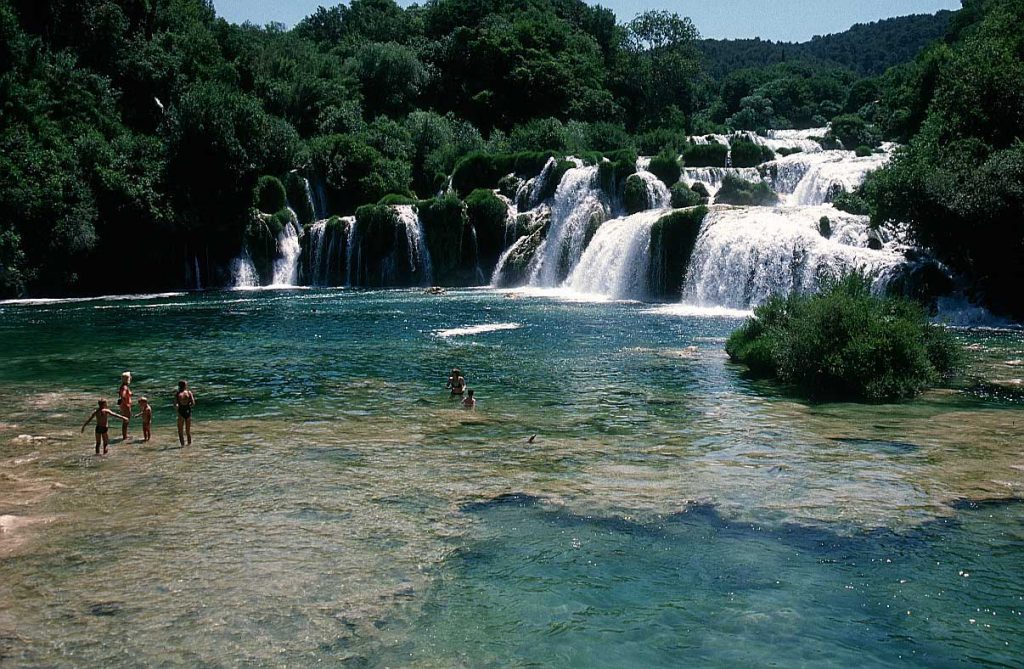
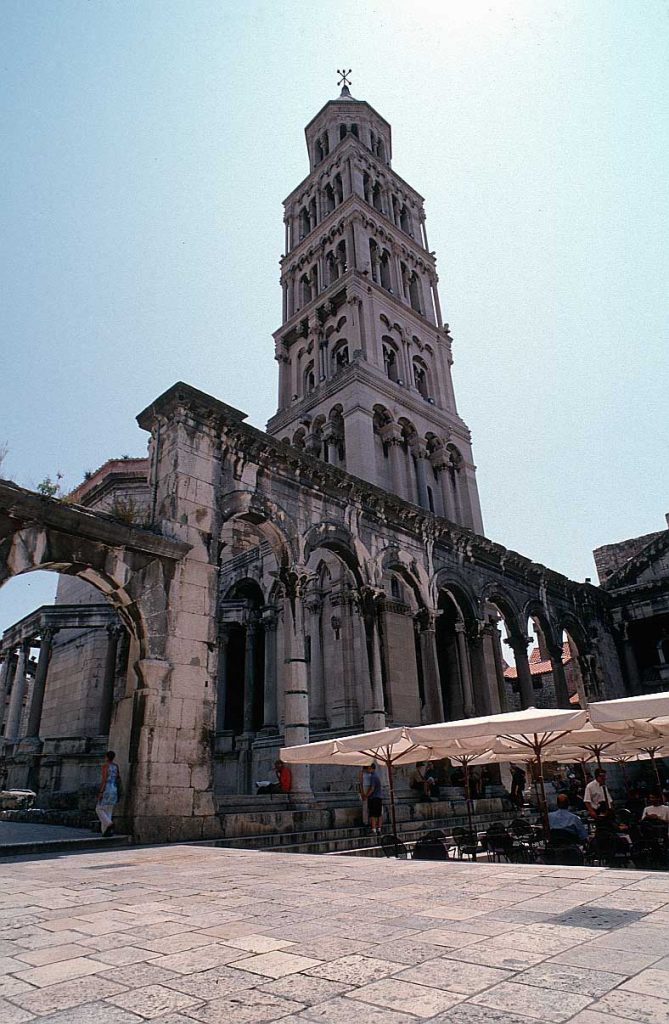
Lying beneath the mountain of Biokovo, Split’s brilliant white buildings contrast with the deep blue of the Adriatic. The Roman Emperor Diocletian built his retirement home here, which says something about its beautiful coastline and mild climate. From Split you can go on a day trip to see the biggest waterfalls in Dalmatia in the Krka National Park.
Dubrovnik
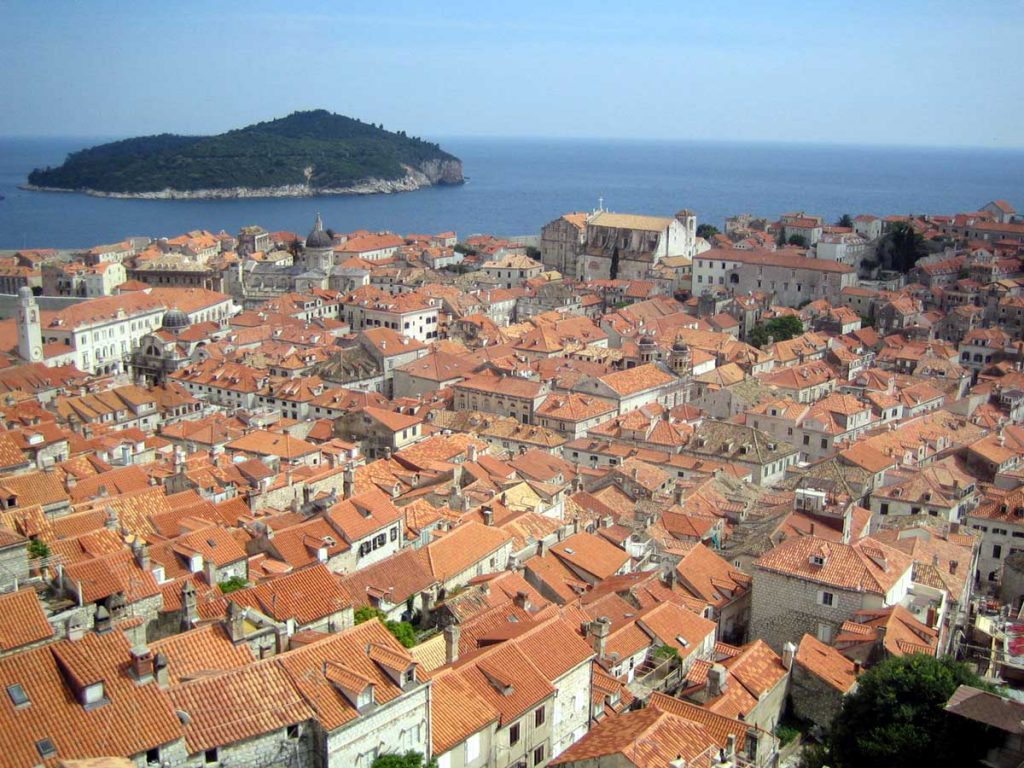
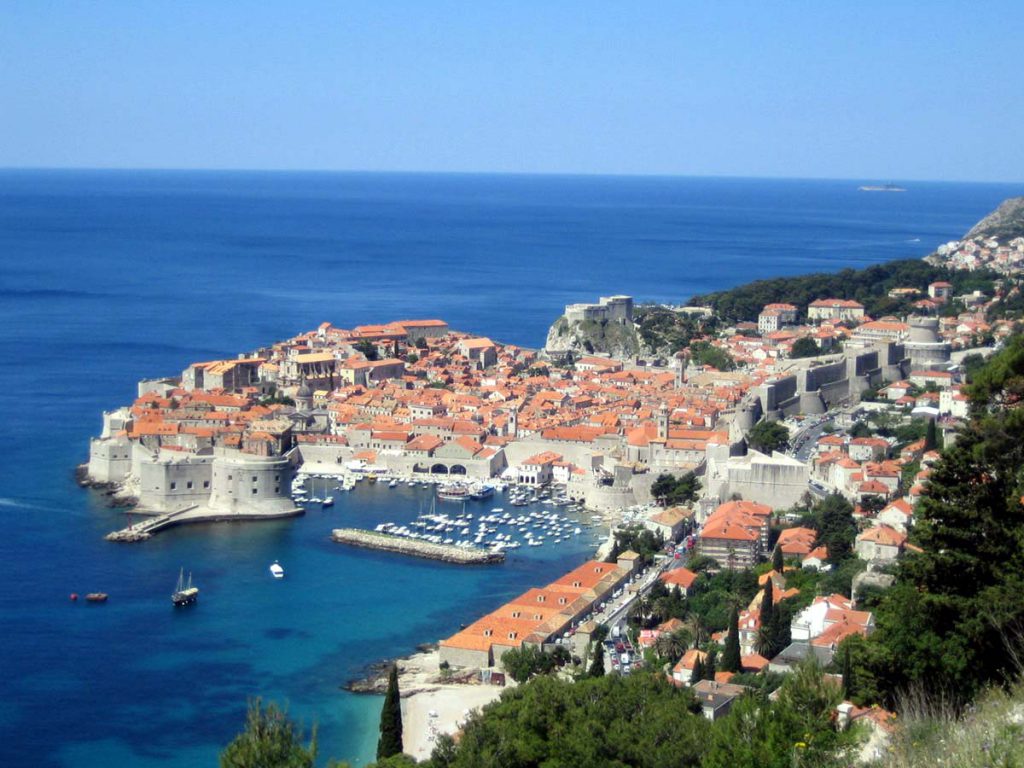
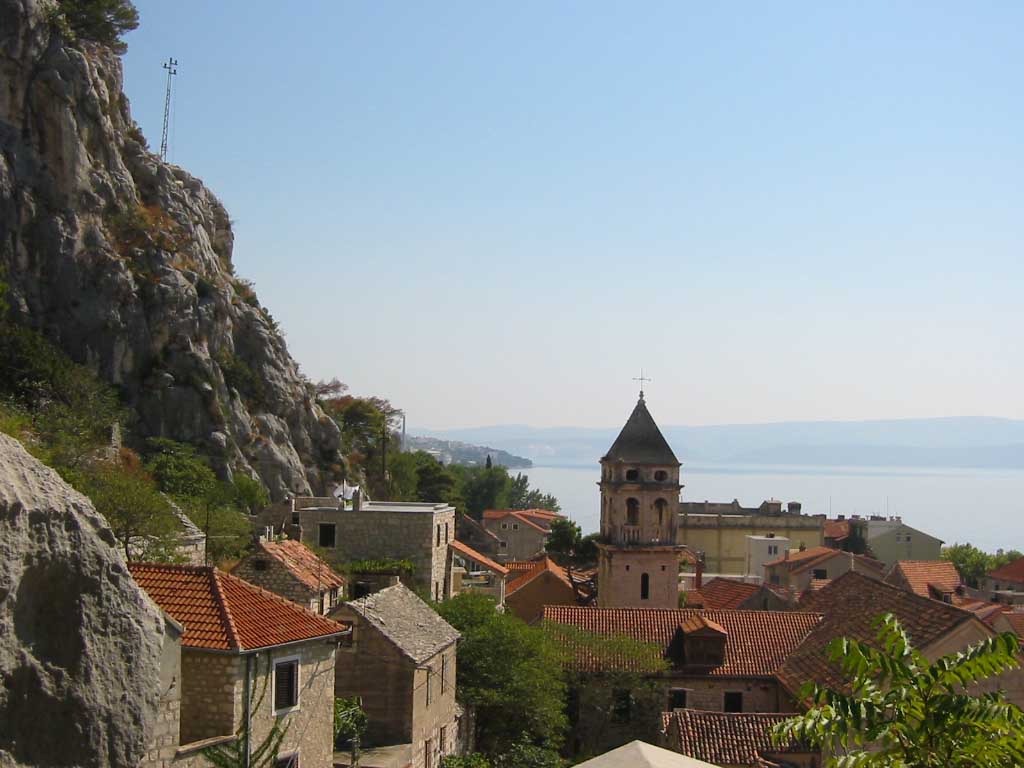
With its atmospheric old town, Dubrovnik is full of history. A good way to see it is to take the 2.5 km city walls walk, but you need to be reasonably fit as there are a lot of steps, many of them steep. Alternatively, for excellent views of the town and the stunning Dalmatian coastline, take the vertiginous cable car up to the fort.
Dalmatia now attracts visitors throughout the year. Temperatures are typically around 30 degrees in July and August at the height of the tourist season, but September is still very pleasant and less busy. Even winter months in the coastal parts of Croatia are mild.
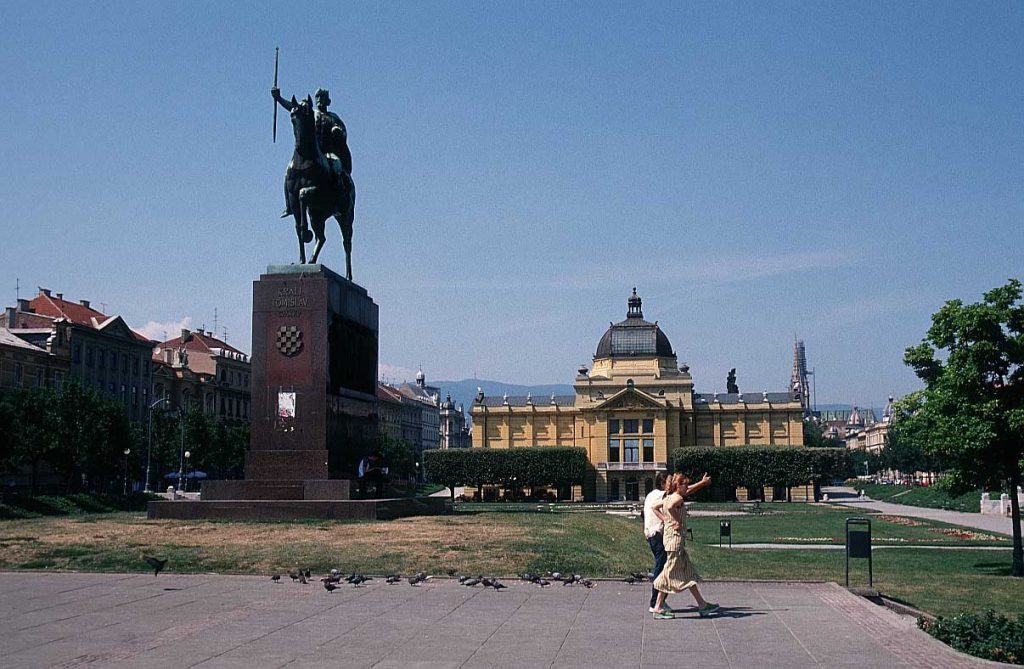
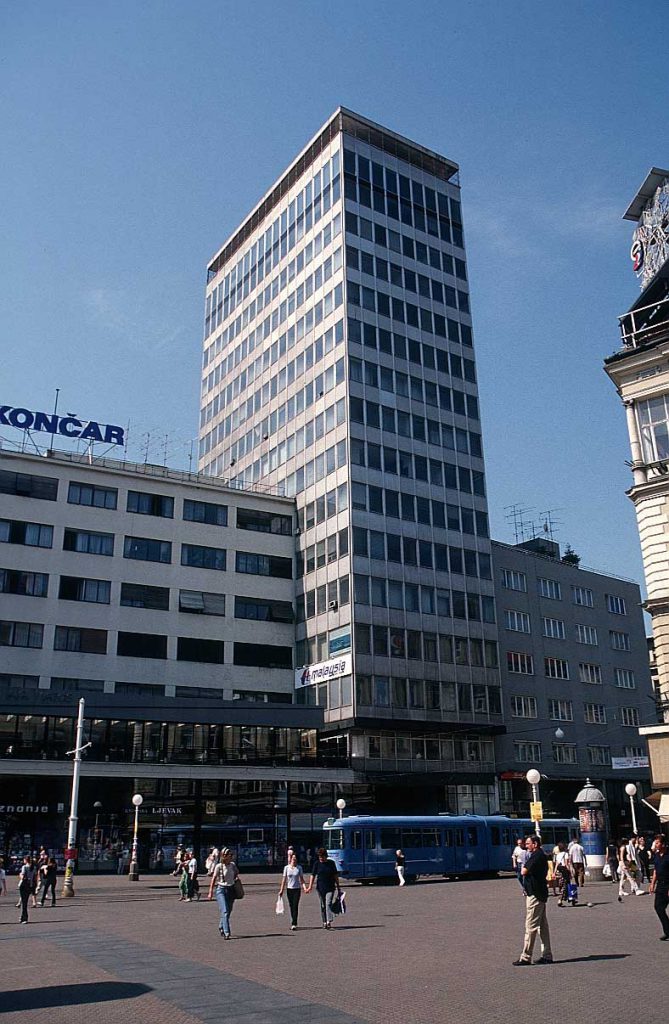
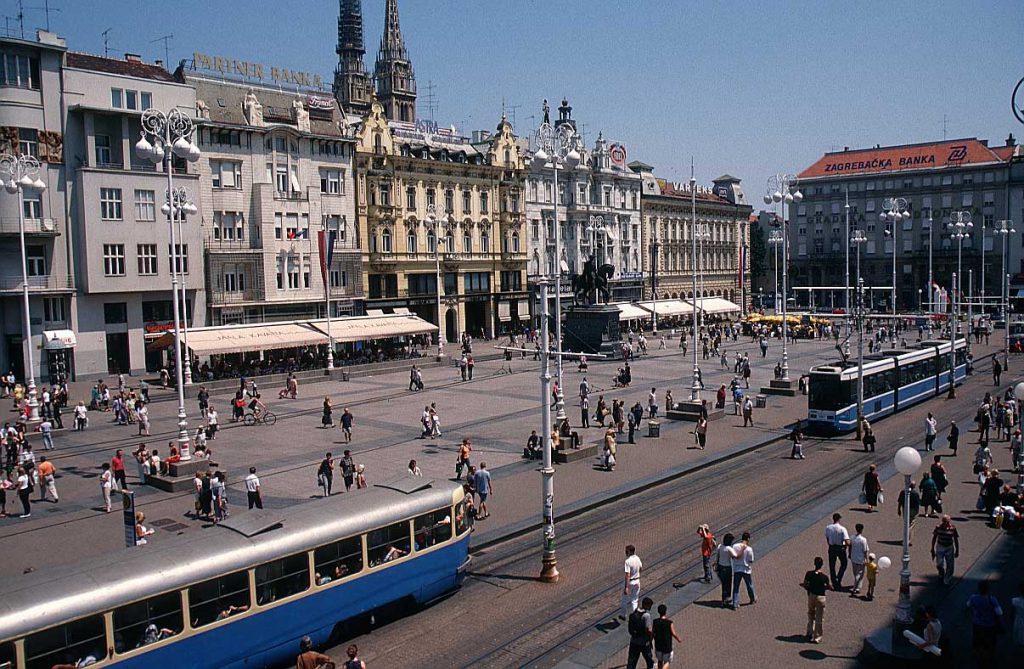
Croatia expects to be a full member of the EU by July 2013. Its capital, Zagreb, began as two medieval hill top fortresses overlooking the Sava River. It is a city still noted for its medieval streets and architecture, as well as 19th century palaces and open air markets. As the country’s capital, it is the centre of cultural activity and sport – something that Croatia increasingly excels at.
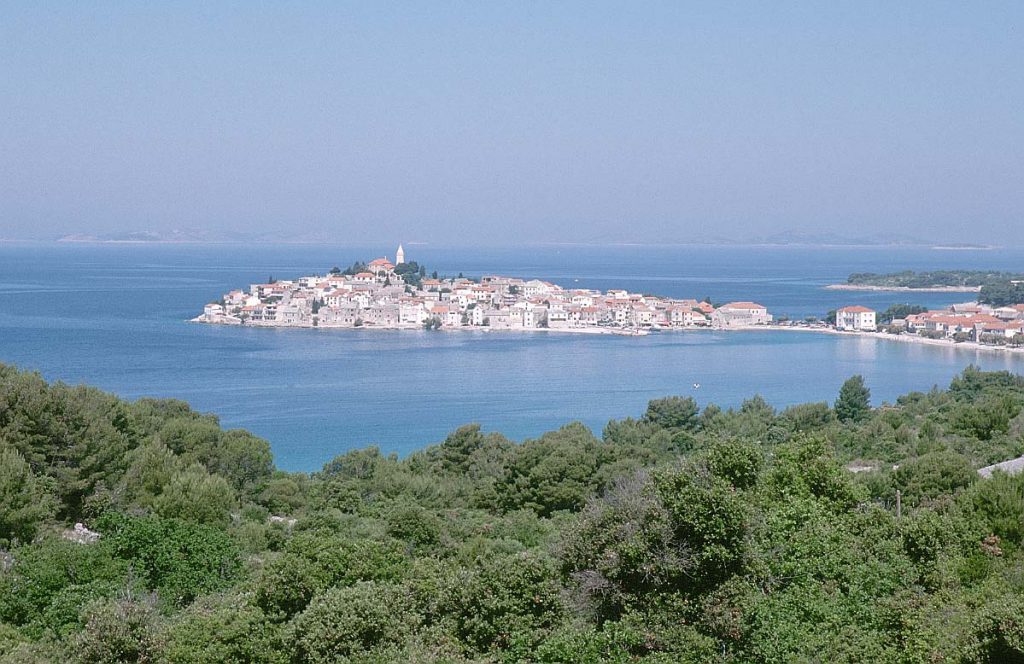
Primošten
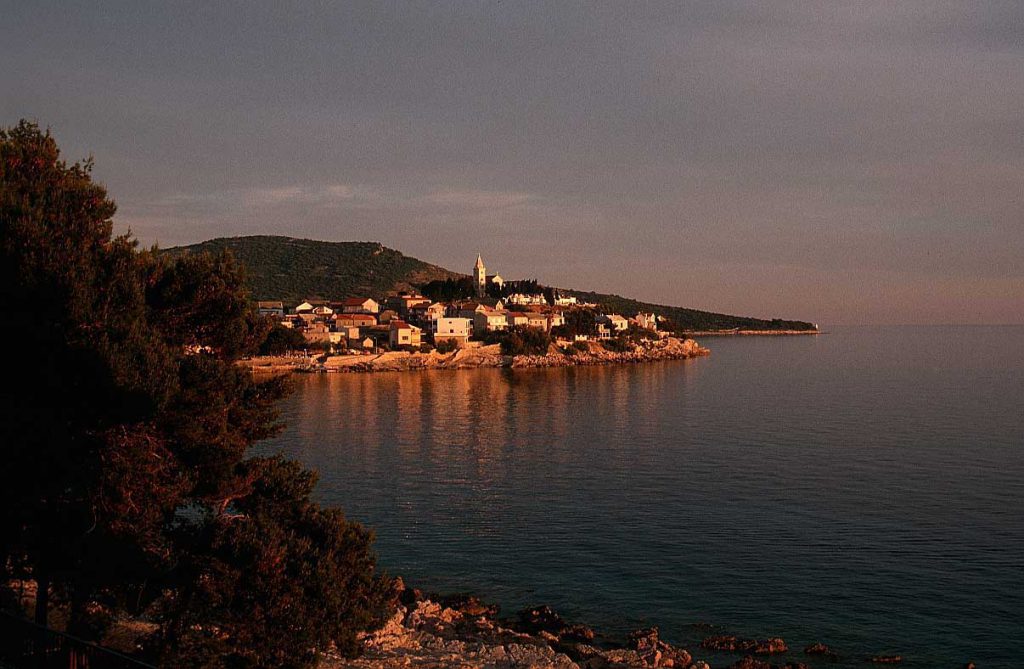
Primosten is a small town located between Sibenik and Split. The old town is situated on a small island which is connected with the mainland. Primosten attracts tourists with its interesting architecture, beautiful beaches and crystal clear waters. In the past, the population was oriented towards cultivation of grapevines, olives, fishing and today it is mostly oriented to tourism. The city is as a unique tourist destination indeed recognized around the world, and a large number of tourists come back to Primosten year after year.
A Dive into the Country’s National Parks
Croatia, with its stunning coastline, historic cities, and vibrant culture, has long been a favorite destination for travelers seeking beauty and adventure. But beyond its charming towns and crystal-clear waters, Croatia is also home to some of Europe’s most breathtaking natural landscapes, preserved within its national parks. Among these treasures, two stand out as gems of conservation and natural beauty: Plitvice Lakes National Park and Krka National Park.
Plitvice Lakes National Park: Nature’s Masterpiece
Tucked away in the heart of Croatia, Plitvice Lakes National Park is a UNESCO World Heritage site renowned for its cascading waterfalls, crystal-clear lakes, and lush forests. Spanning over 73,000 acres, this park is a testament to the power and beauty of nature, offering visitors a glimpse into a world untouched by time.
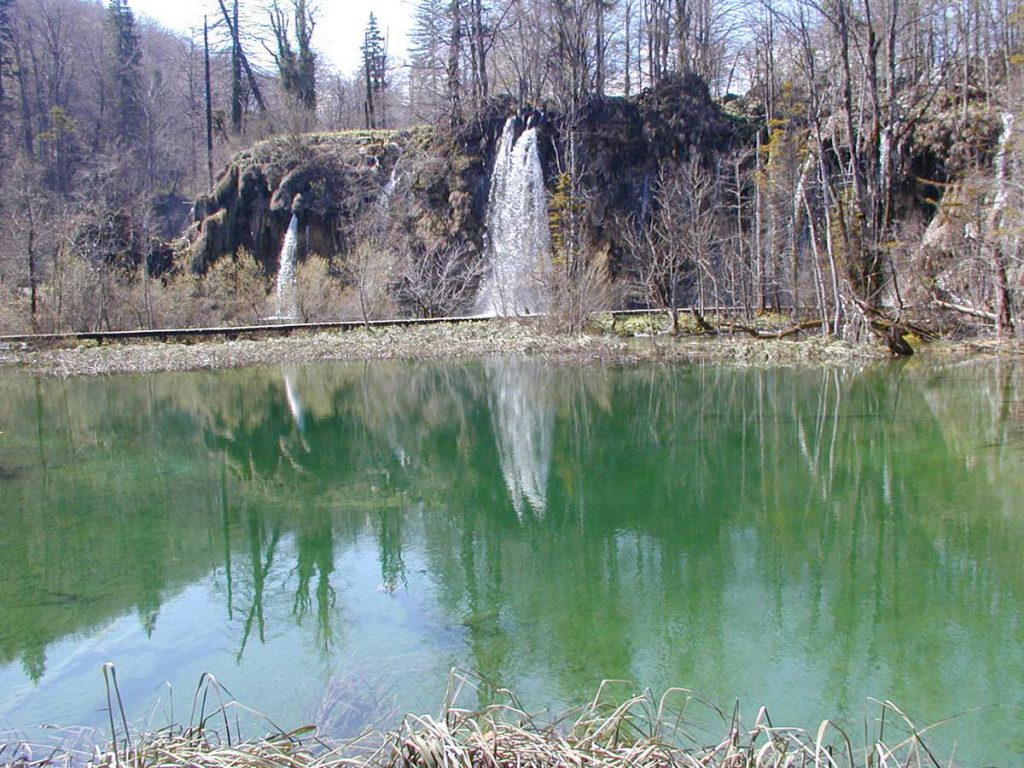
At the heart of Plitvice Lakes are its sixteen interconnected lakes, arranged in cascades and connected by a series of waterfalls. The vivid turquoise waters are fed by numerous rivers and streams, creating a mesmerizing network of waterways that weave through the park’s rugged terrain. Visitors can explore the park via a network of wooden boardwalks and hiking trails, allowing them to traverse the landscape and witness its beauty up close.
One of the park’s most iconic sights is the Veliki Slap, or Great Waterfall, which plunges nearly 80 meters into the canyon below. The sheer force of the water creates a spectacle that is both awe-inspiring and humbling, reminding visitors of the power of nature. Surrounding the lakes and waterfalls are dense forests populated by diverse flora and fauna, providing sanctuary to numerous species of plants and animals.
Beyond its natural beauty, Plitvice Lakes National Park is also steeped in history and culture. The area has been inhabited for centuries, with traces of human settlement dating back to ancient times. Visitors can explore traditional villages, historic landmarks, and archaeological sites scattered throughout the park, offering glimpses into Croatia’s rich heritage.
For those seeking adventure, Plitvice Lakes National Park offers a range of activities, from hiking and cycling to boating and wildlife watching. Whether exploring the park’s hidden corners or simply taking in its scenic vistas, visitors are sure to be captivated by the timeless beauty of this natural wonderland.
Krka National Park: Where Waterfalls Meet History
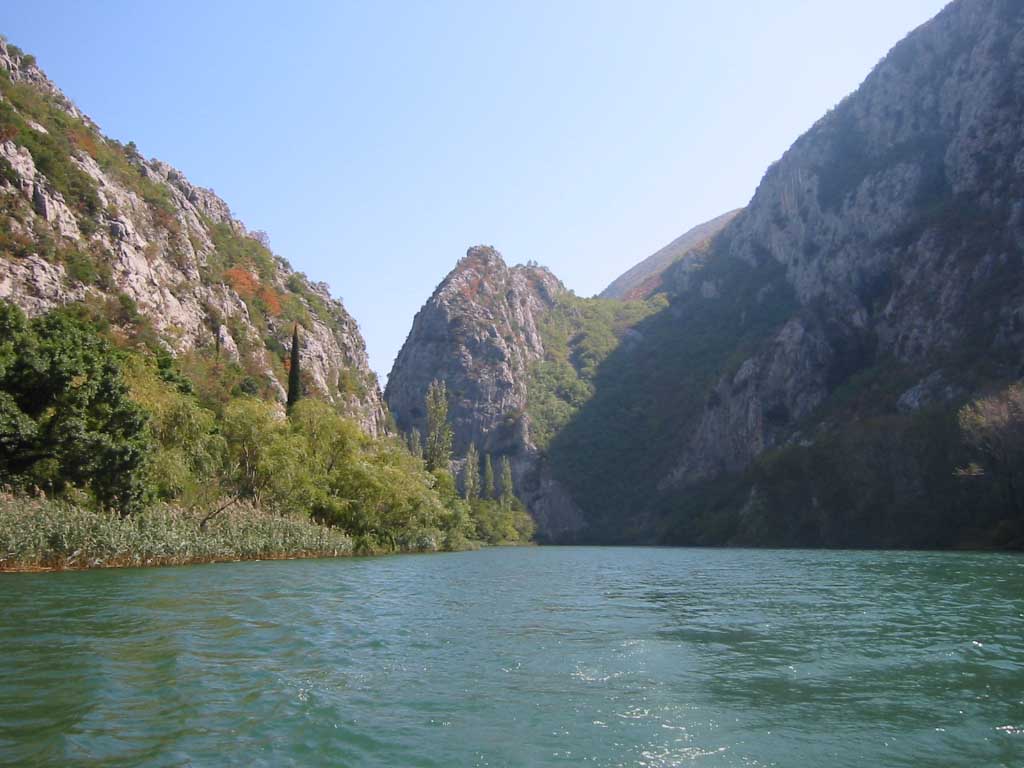
Located along the banks of the Krka River, Krka National Park is a paradise of waterfalls, lakes, and lush vegetation. Covering an area of over 142 square kilometers, this park is renowned for its stunning natural beauty and rich cultural heritage, making it a must-visit destination for nature lovers and history enthusiasts alike.
At the heart of Krka National Park are its magnificent waterfalls, which cascade over travertine cliffs to create a series of natural pools and rapids. The most famous of these waterfalls is Skradinski Buk, a spectacular cascade that stretches over 800 meters in length. Visitors can swim in the crystal-clear waters beneath the falls or take a leisurely boat ride along the river, soaking in the sights and sounds of this enchanting landscape.
In addition to its waterfalls, Krka National Park is also home to a wealth of historical and cultural attractions. The park is dotted with ancient ruins, including Roman settlements, medieval fortresses, and monastic complexes, offering visitors a glimpse into Croatia’s rich past. One of the park’s most notable landmarks is the island of Visovac, home to a 15th-century Franciscan monastery and library housing rare manuscripts and artifacts.
For those interested in wildlife, Krka National Park is a paradise of biodiversity, with numerous species of plants and animals calling the park home. Birdwatchers will delight in the opportunity to spot rare species such as eagles, falcons, and herons, while nature enthusiasts can explore the park’s diverse ecosystems, from dense forests to wetland habitats.
Visitors to Krka National Park can also take advantage of a range of outdoor activities, including hiking, kayaking, and cycling. Whether exploring the park’s scenic trails or simply relaxing by the water’s edge, visitors are sure to be enchanted by the natural beauty and cultural richness of this Croatian gem.
Preserving Croatia’s Natural Heritage
Plitvice Lakes National Park and Krka National Park stand as testaments to Croatia’s commitment to preserving its natural heritage for future generations. Through careful conservation efforts and sustainable tourism practices, these parks continue to inspire and captivate visitors from around the world, offering a glimpse into the timeless beauty of Croatia’s landscapes.
As stewards of these precious ecosystems, it is our responsibility to cherish and protect them, ensuring that they remain havens of biodiversity and natural beauty for generations to come. By respecting the delicate balance of nature and embracing the principles of sustainability, we can ensure that places like Plitvice Lakes and Krka National Park continue to thrive for centuries to come, serving as reminders of the power and wonder of the natural world.