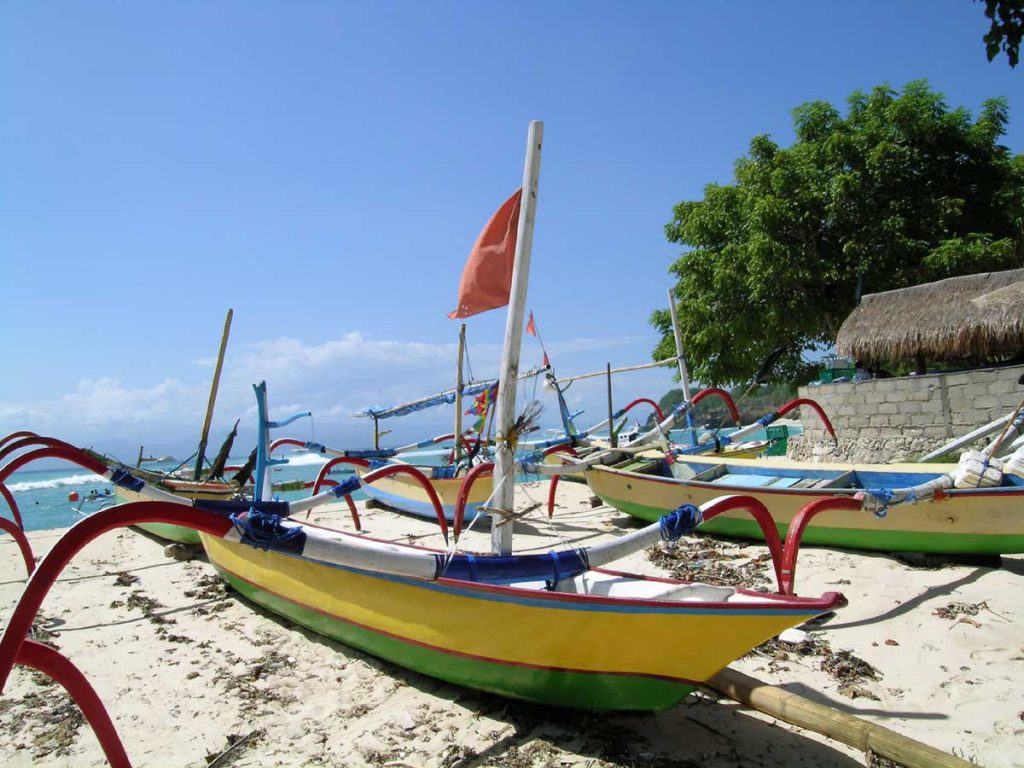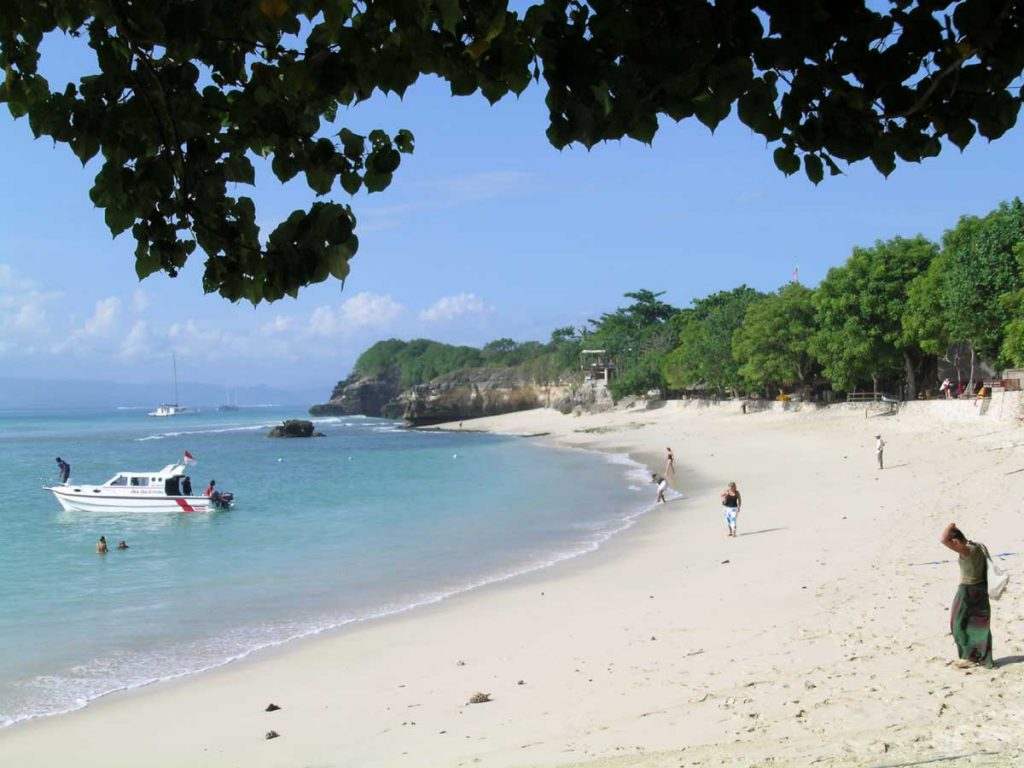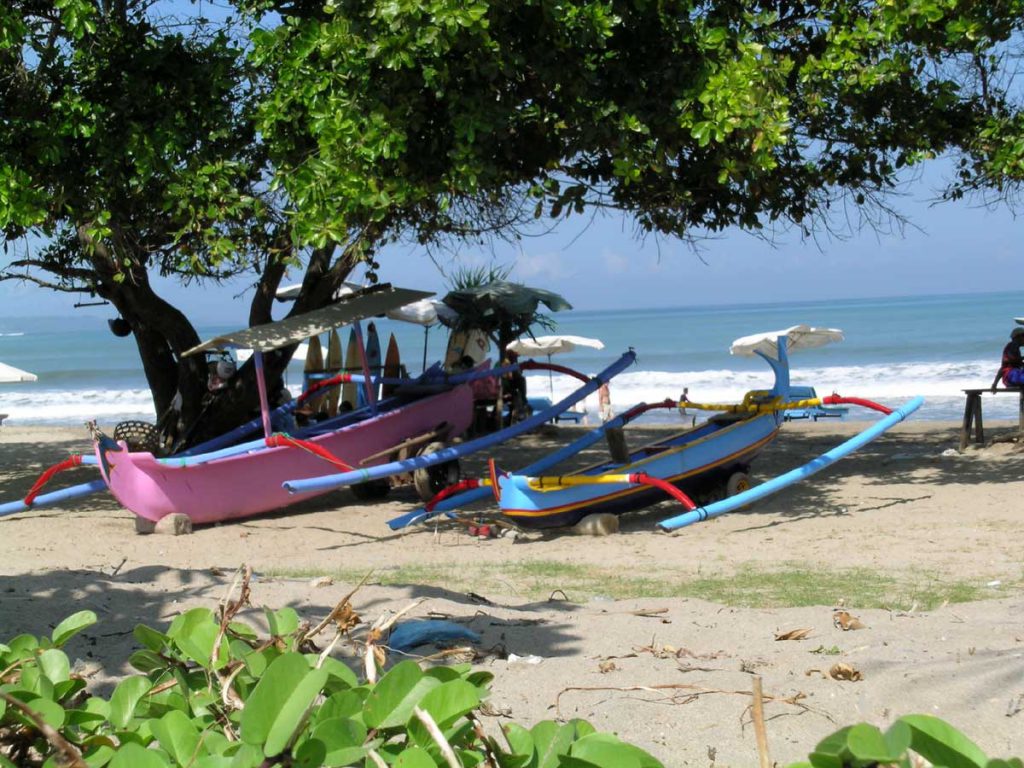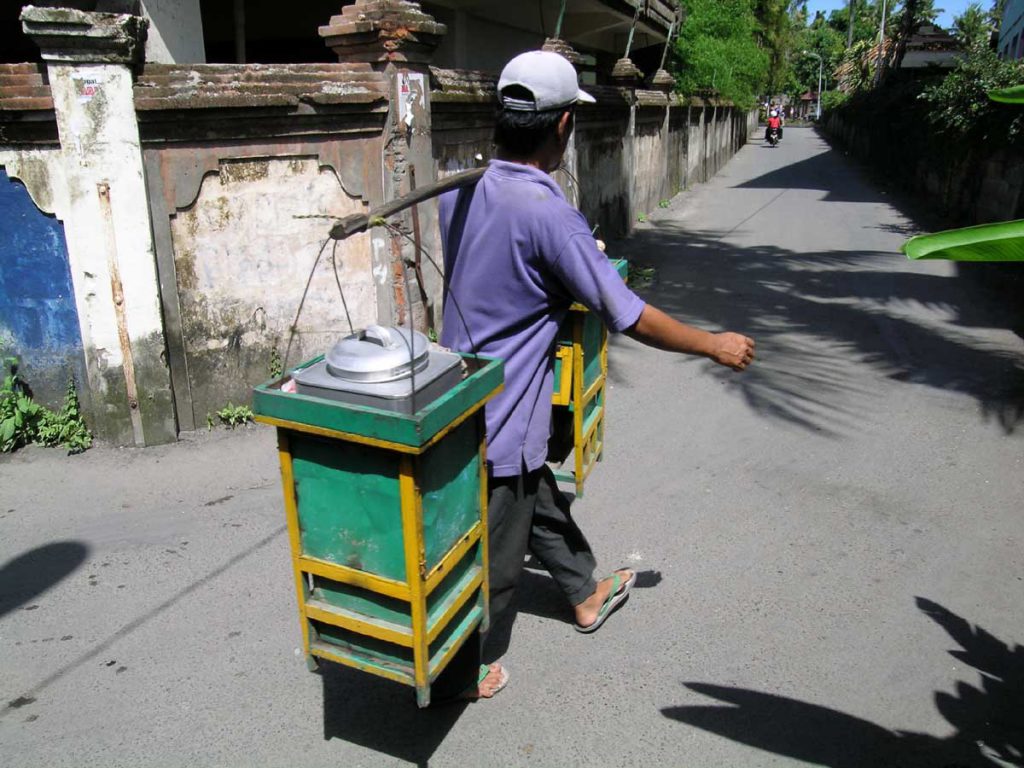
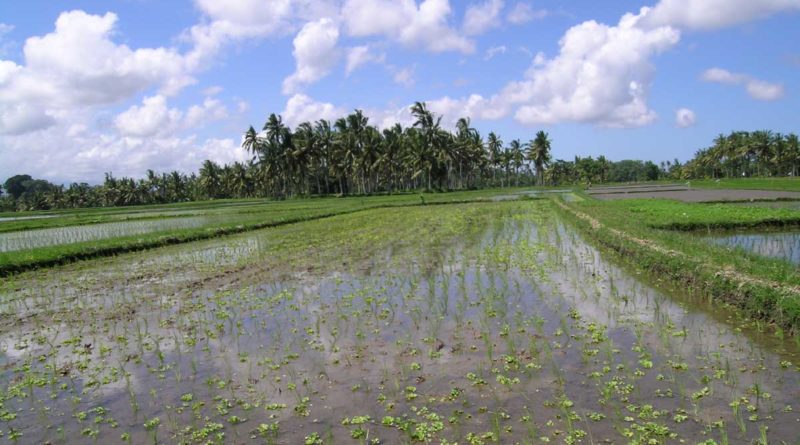
Bali, Travel Information and pictures
The Indonesian island of Bali, nearly 5,633m2 in area, lies between Java to the west and Lombok to the east and is one of the more than 17,000 islands that make up the Indonesian archipelago. The island is bordered by the Bali Sea and the Indian Ocean. It is part of one of Indonesia’s 33 provinces, with the capital, Denpasar, located in the south of the island.
The island is home to 3,891,428 people who follow various religions: 92.9% Hindu, 5.69% Muslim, 1.38% Christian and 0.64% Buddhist.
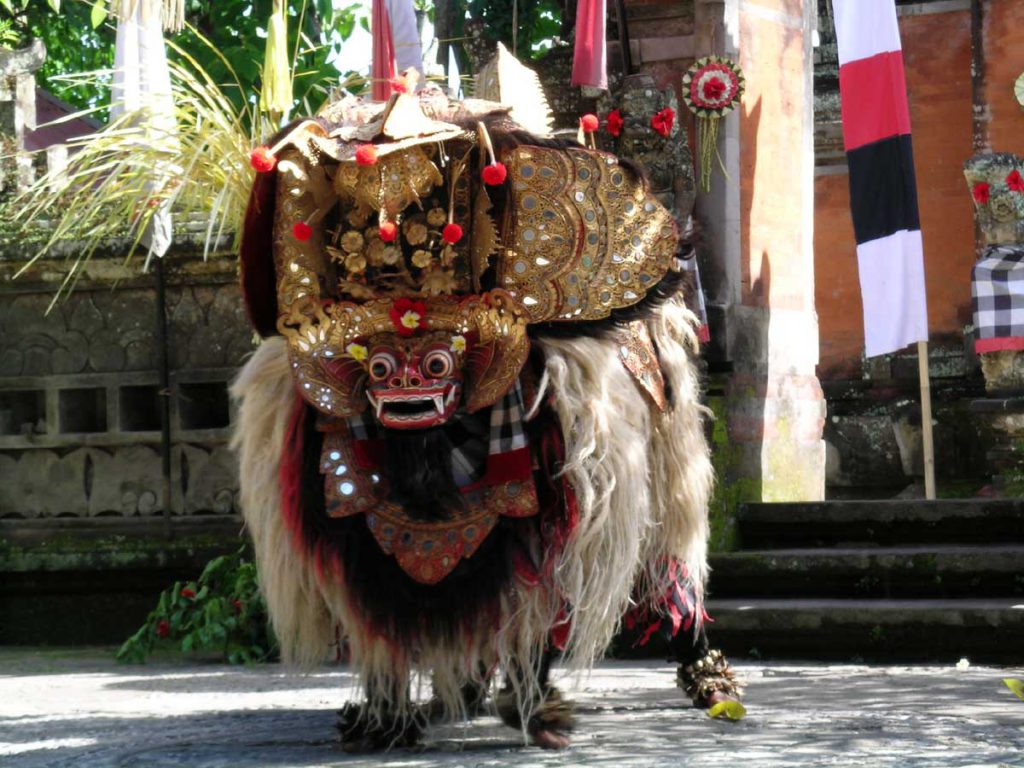
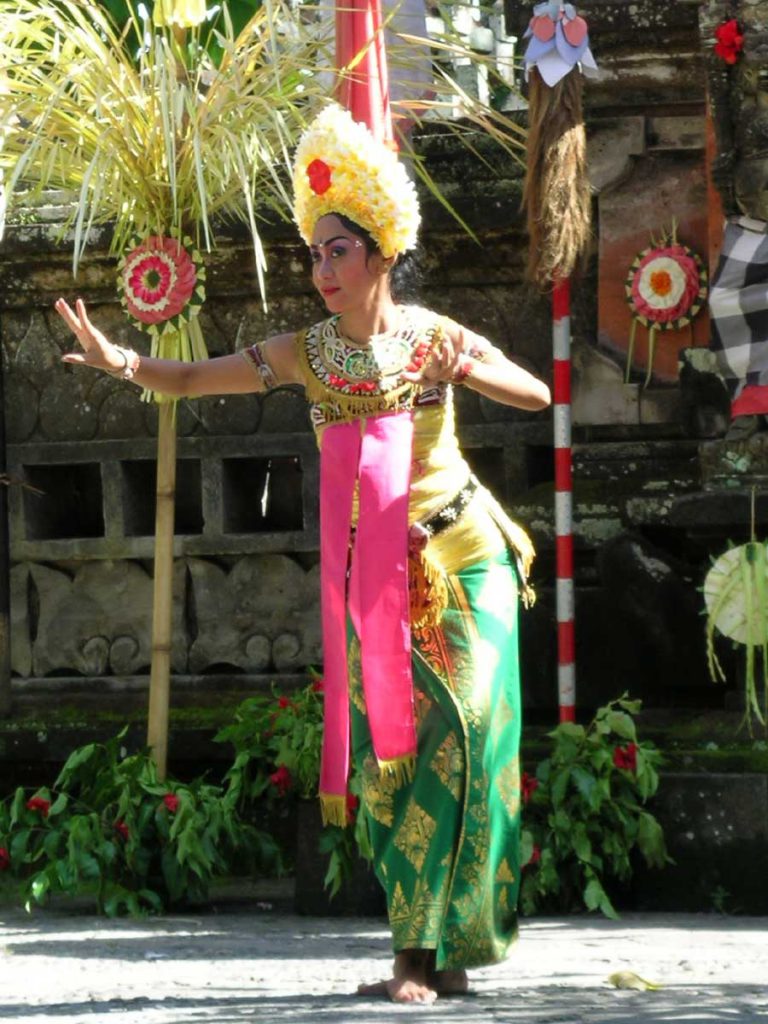
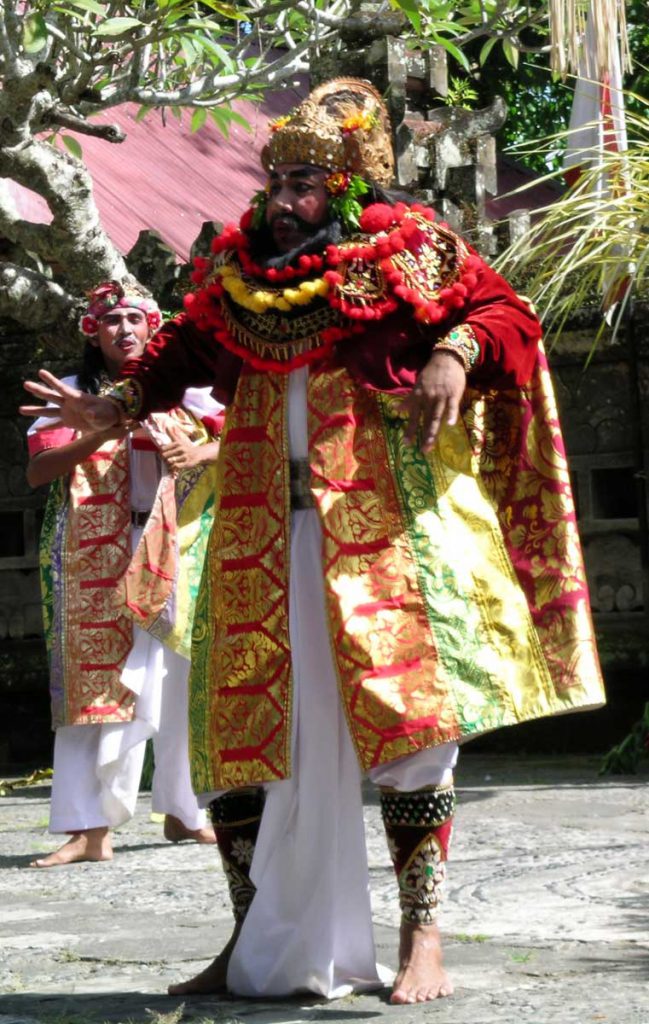
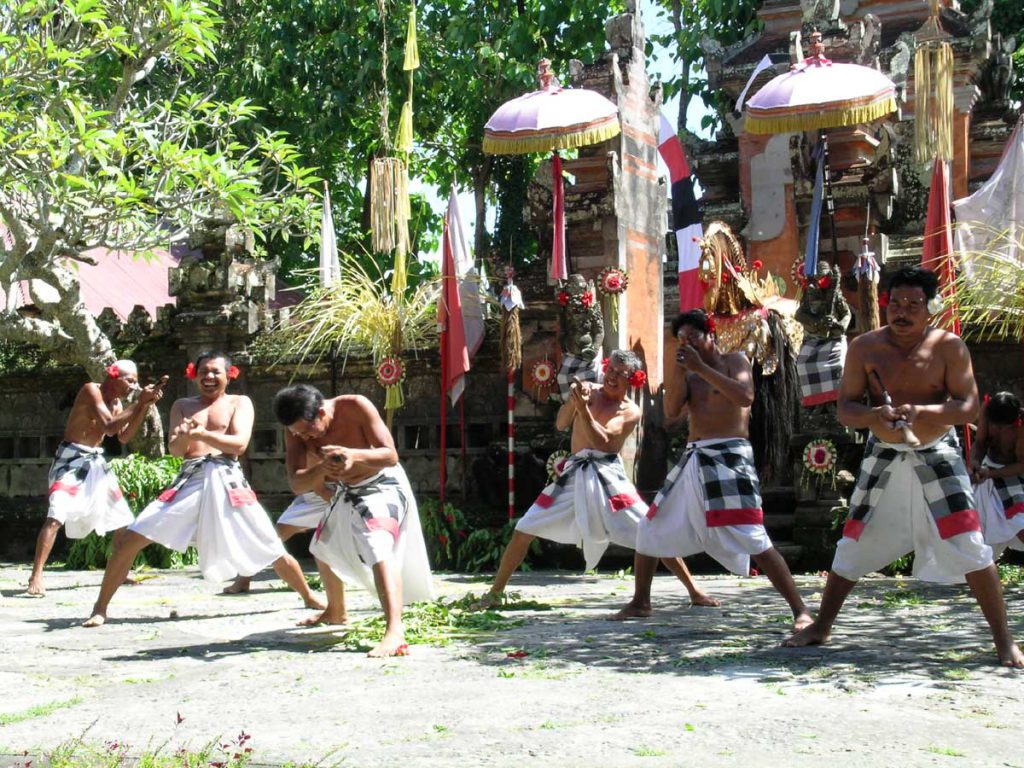
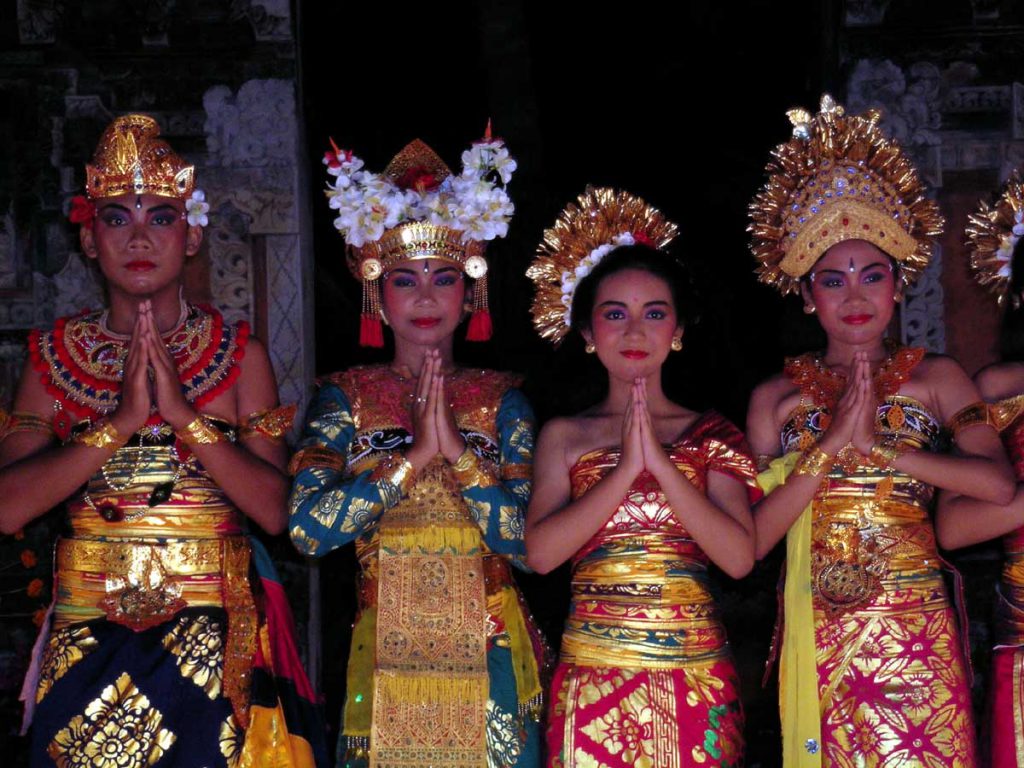
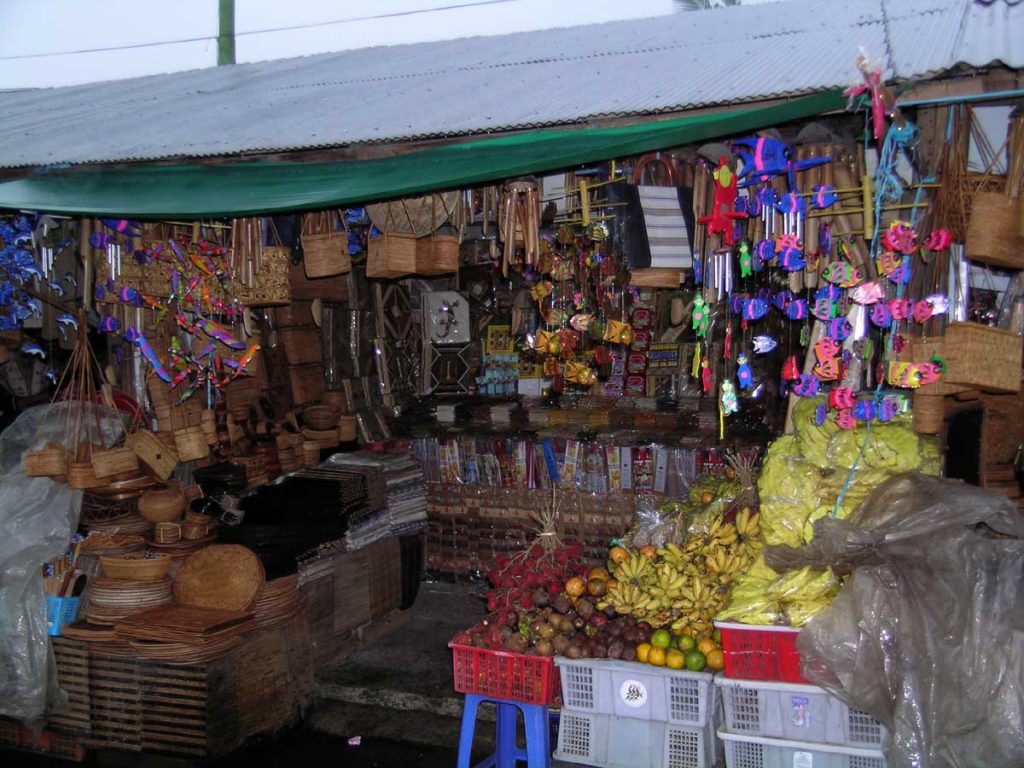
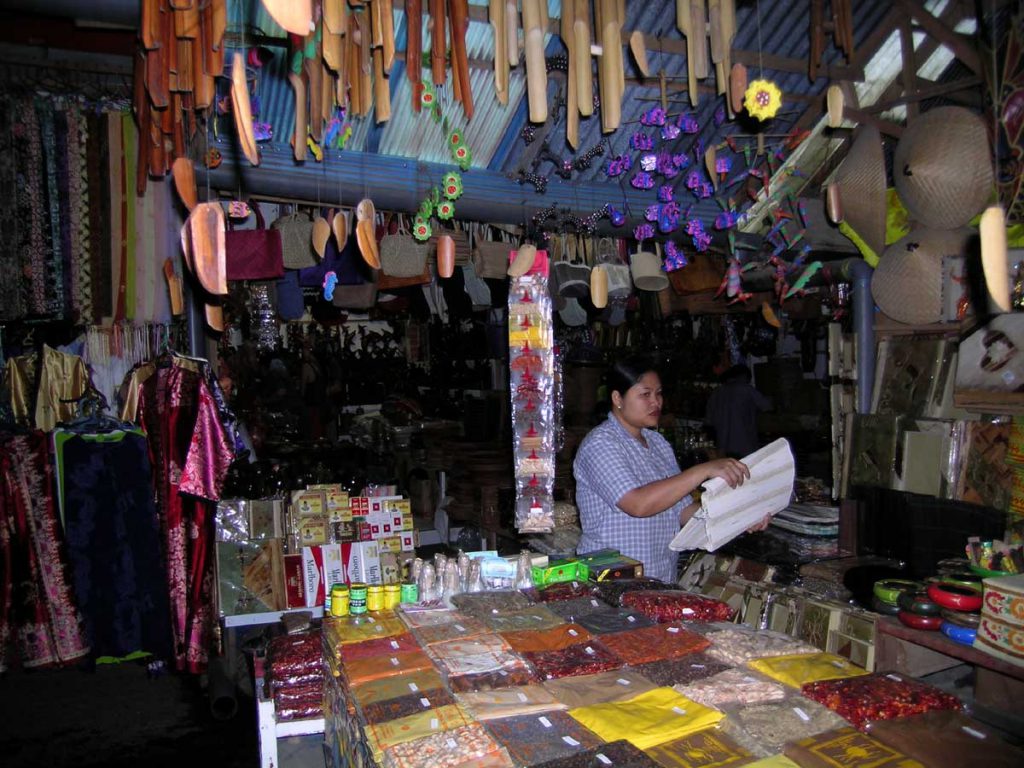
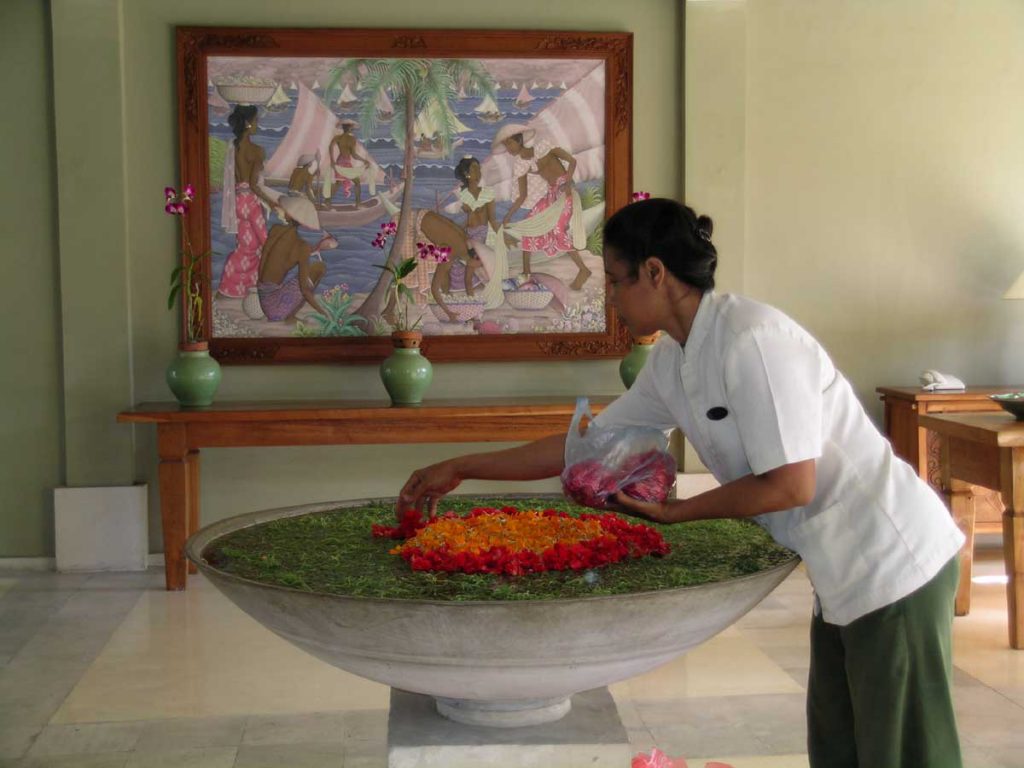
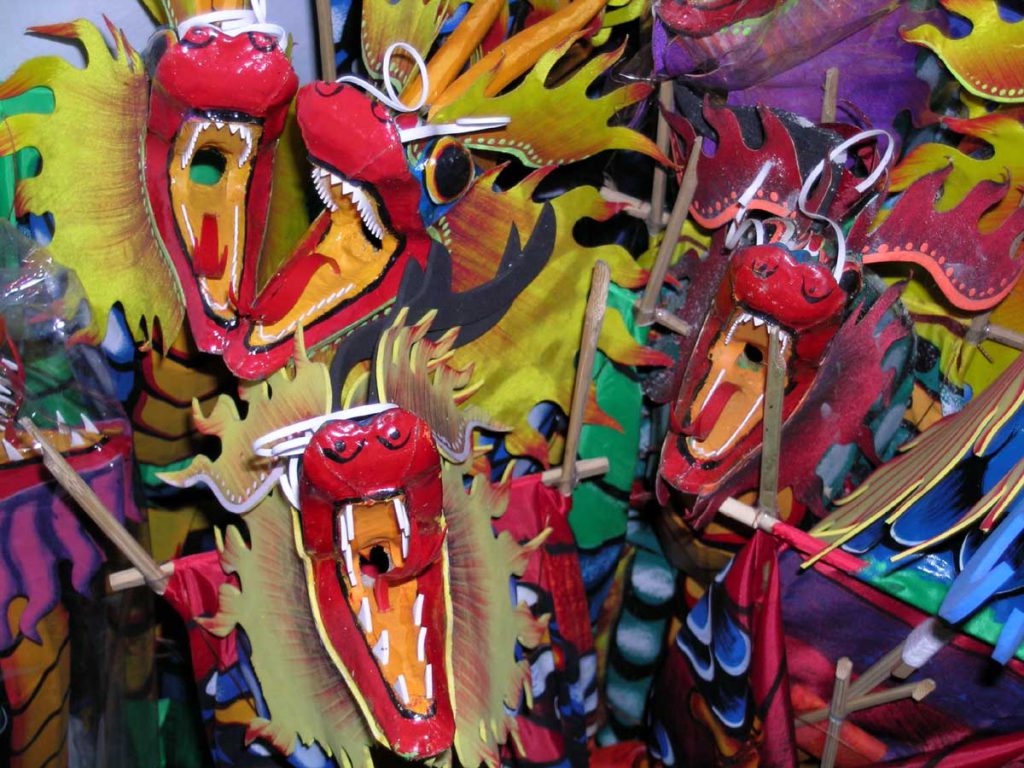
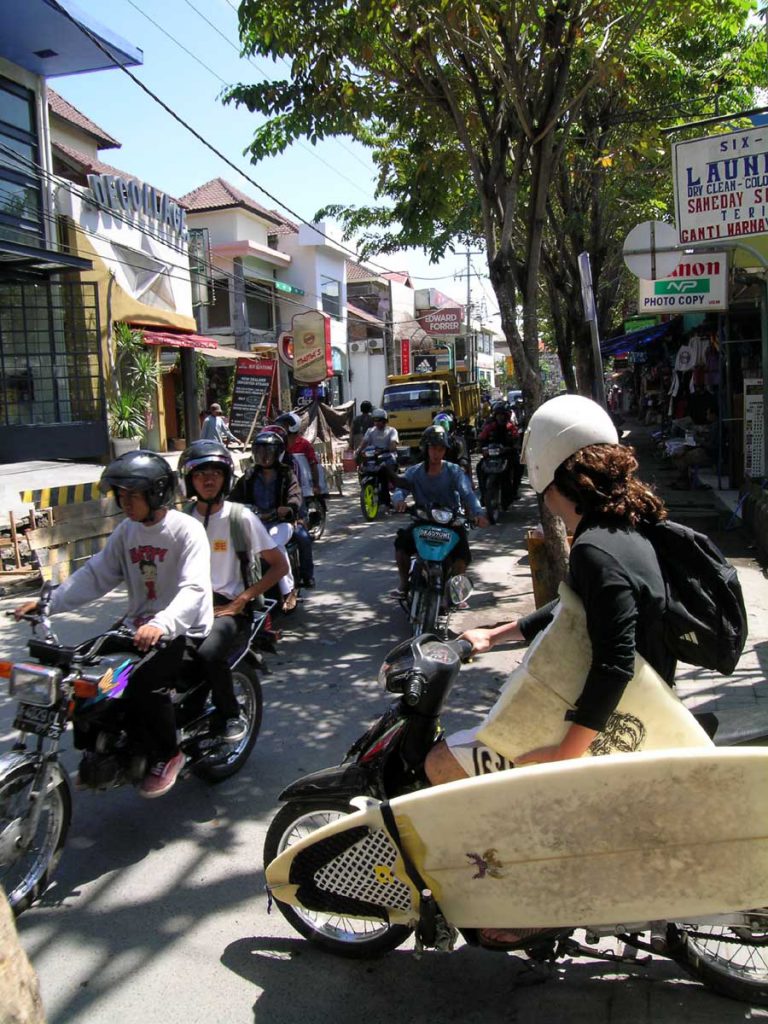
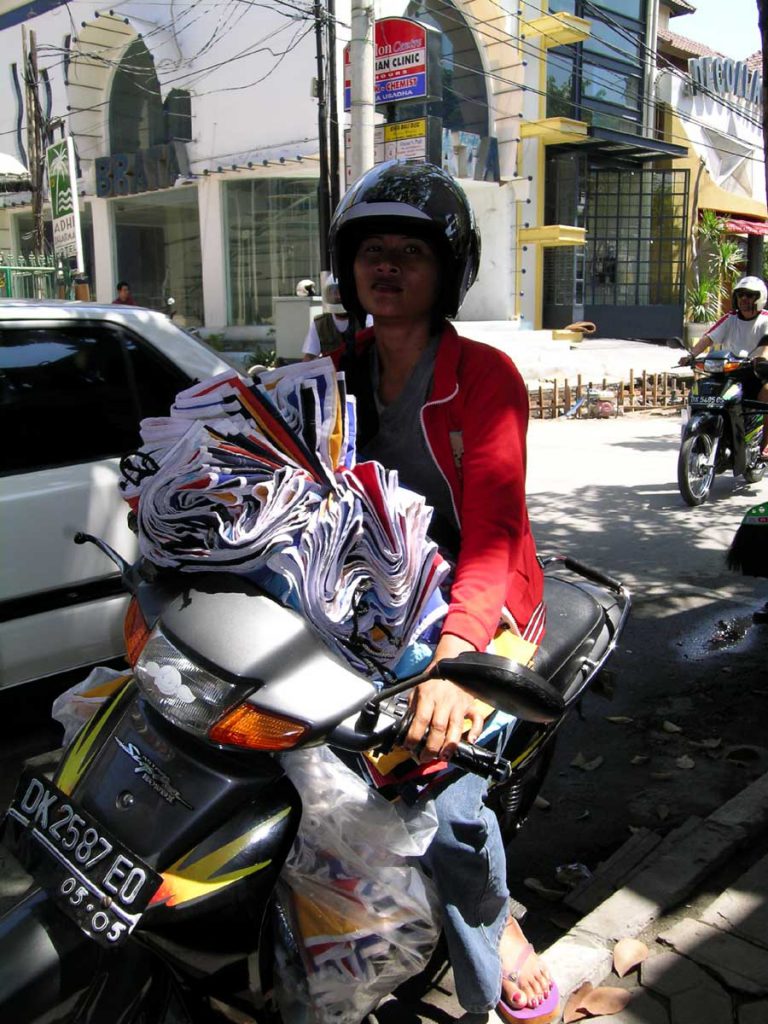
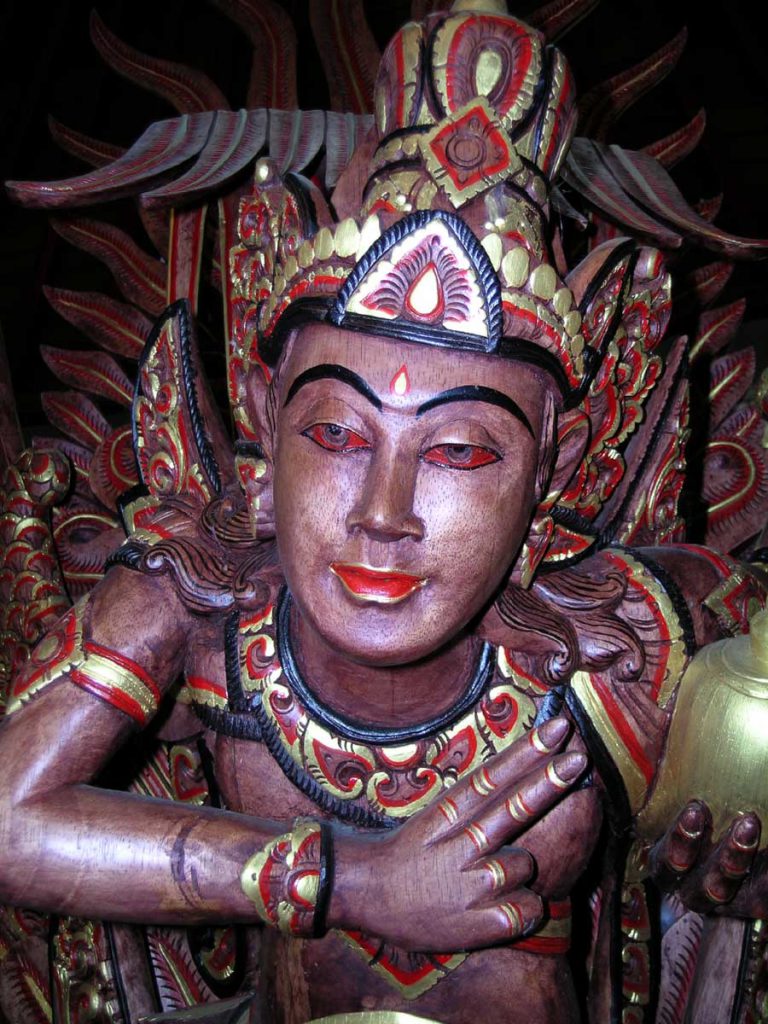
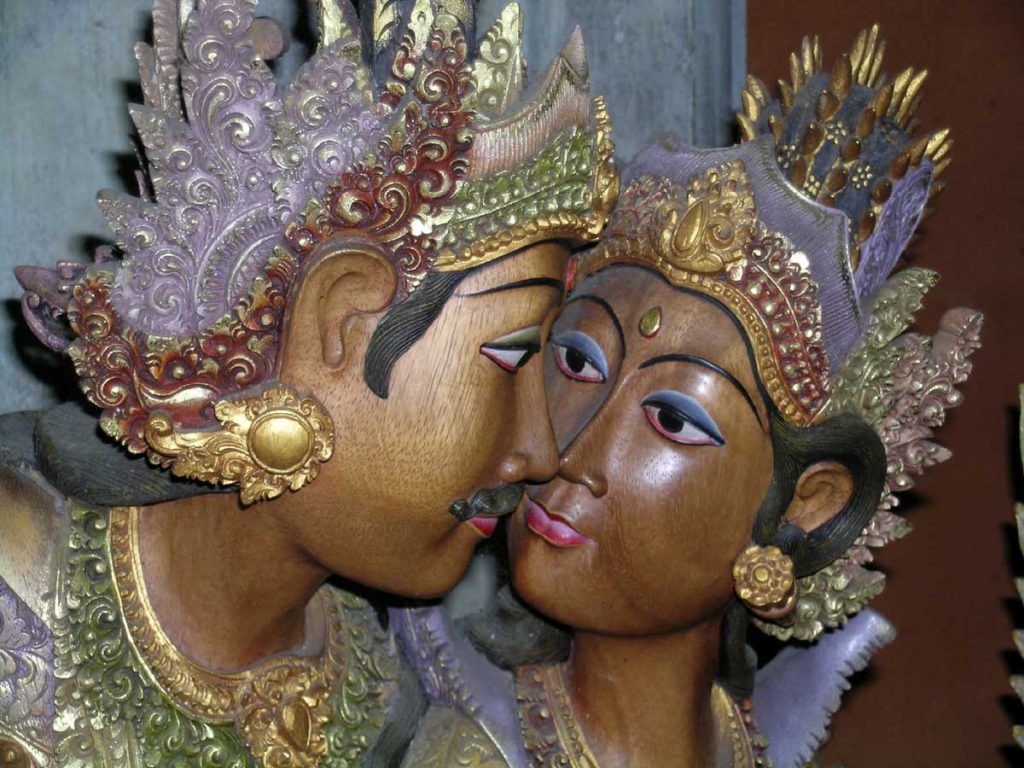
Lying just 8° south of the Equator, Bali has a pleasantly tropical climate with just two seasons a year and an average annual temperature of around 28°C. The island is Indonesia’s major tourist destination, renowned for traditional and modern dance, sculpture, painting, leather goods, metal work and music. It has been a popular tourist destination for many years. Bali is also famous for its artisans, who produce a vast array of handicrafts, including batik and ikat fabrics and items of clothing, wooden carvings, stone carvings, painted art and silverware.
Individual villages typically produce a single item, such as wind chimes or wooden furniture.
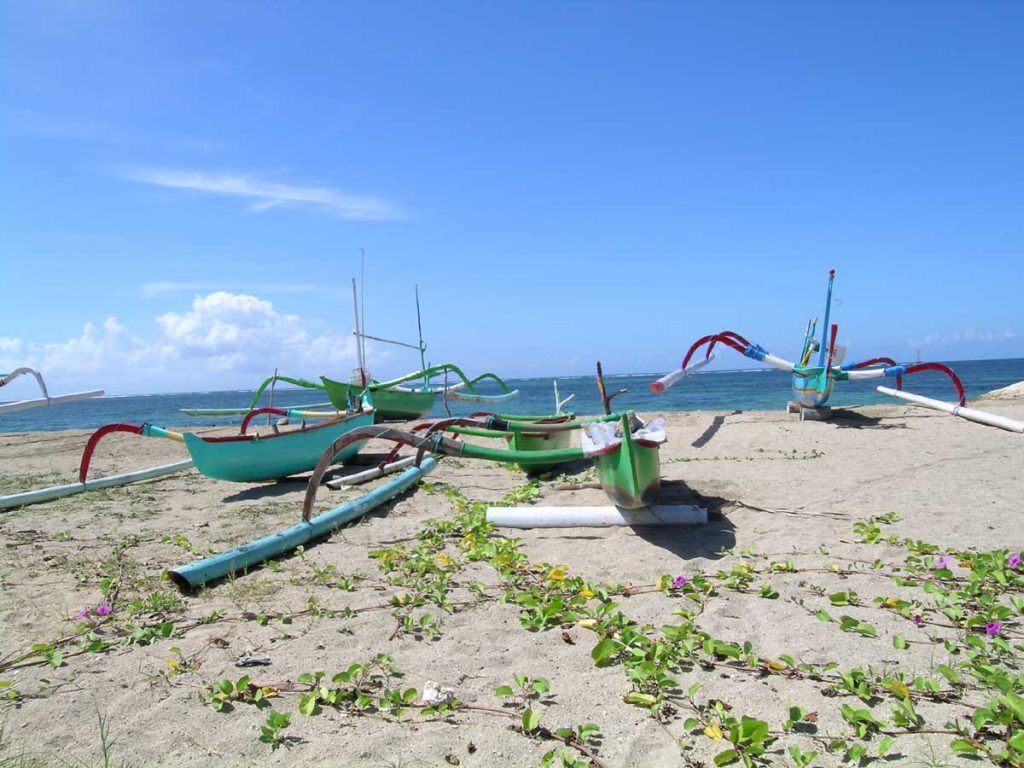
The tourism industry is primarily focused in the south but is also significant in other parts of the island. The main tourist locations are Kuta (with its beach) and its outer suburbs of Legian and Seminyak, the quieter Sanur on the east coast and the newer more up-market Nusa Dua and Pecatu.
Ubud, centrally located in the hilly region of Gianyar, has recently blossomed as a tourist attraction and is now considered the artistic and cultural centre of Bali. The island’s main airport is the Ngurah Rai International Airport, Jimbaran.
Tourism in Bali has managed to survive the terrorist bombings of 2002 and 2005. The industry recovered slowly but now surpasses pre-attack levels. In 2010, Bali welcomed over 2.5 million visitors from all over the world. About 80% of Bali’s economy depends on tourism.
One offshoot of tourism is a flourishing real-estate industry. Bali real estate has been rapidly developing in the main tourist areas of Kuta, Legian, Seminyak and Oberoi. Investment, both foreign and domestic, in other areas of the island continues to grow. Land prices appear to have remained stable despite the worldwide economic crisis.
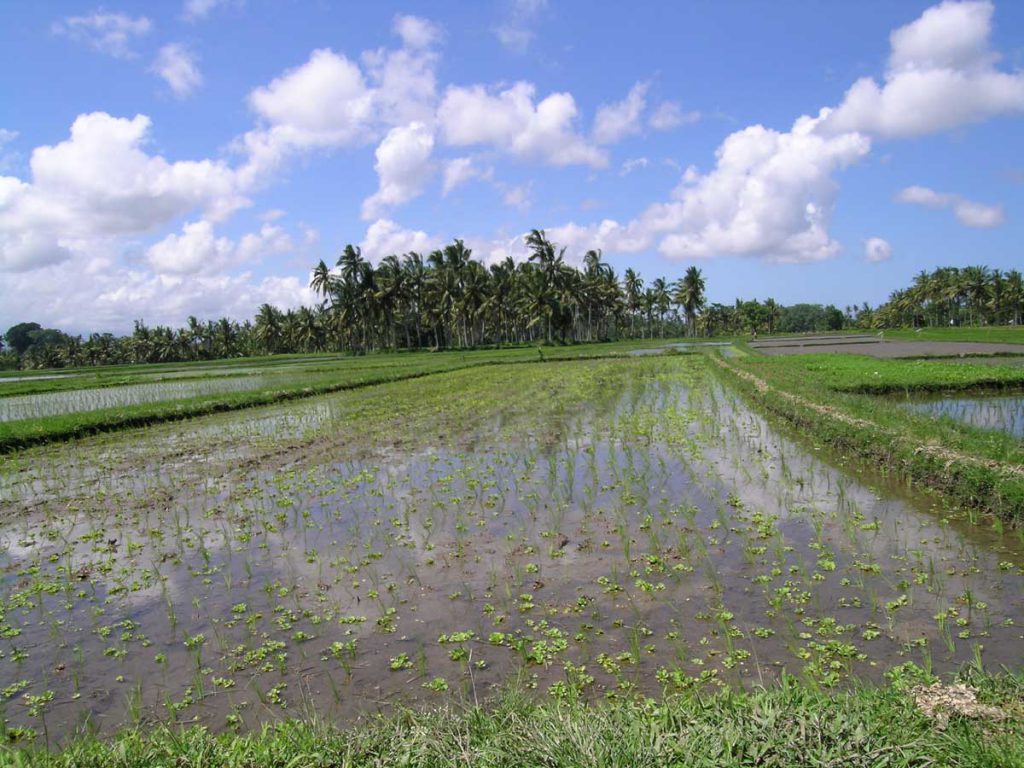
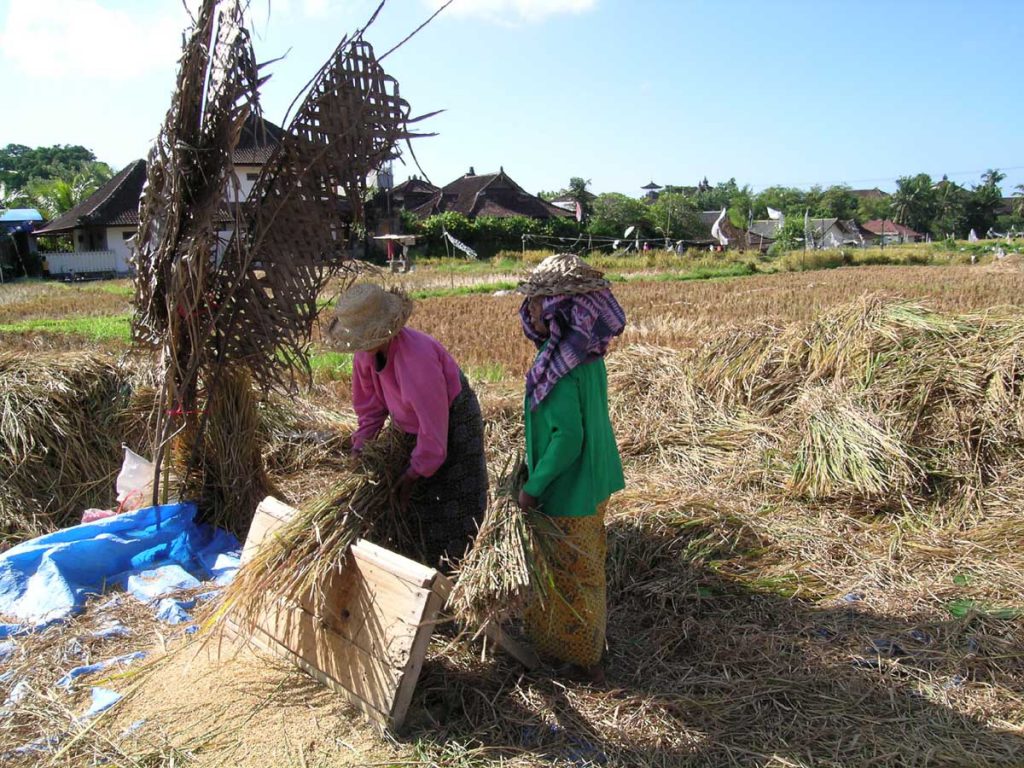
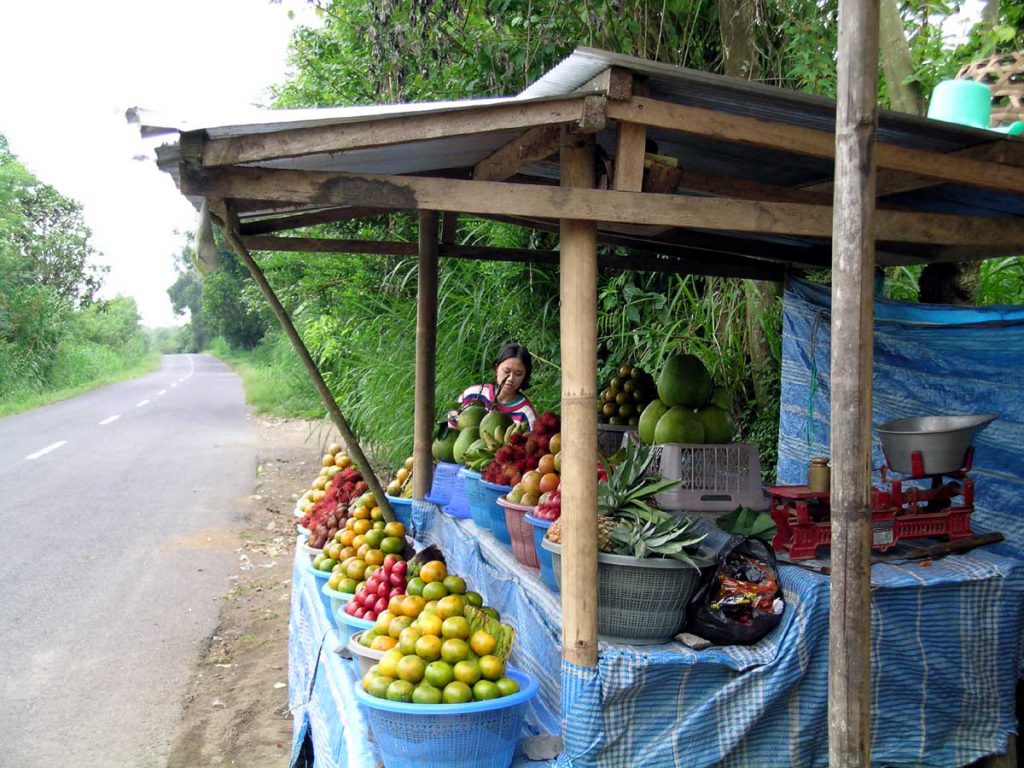
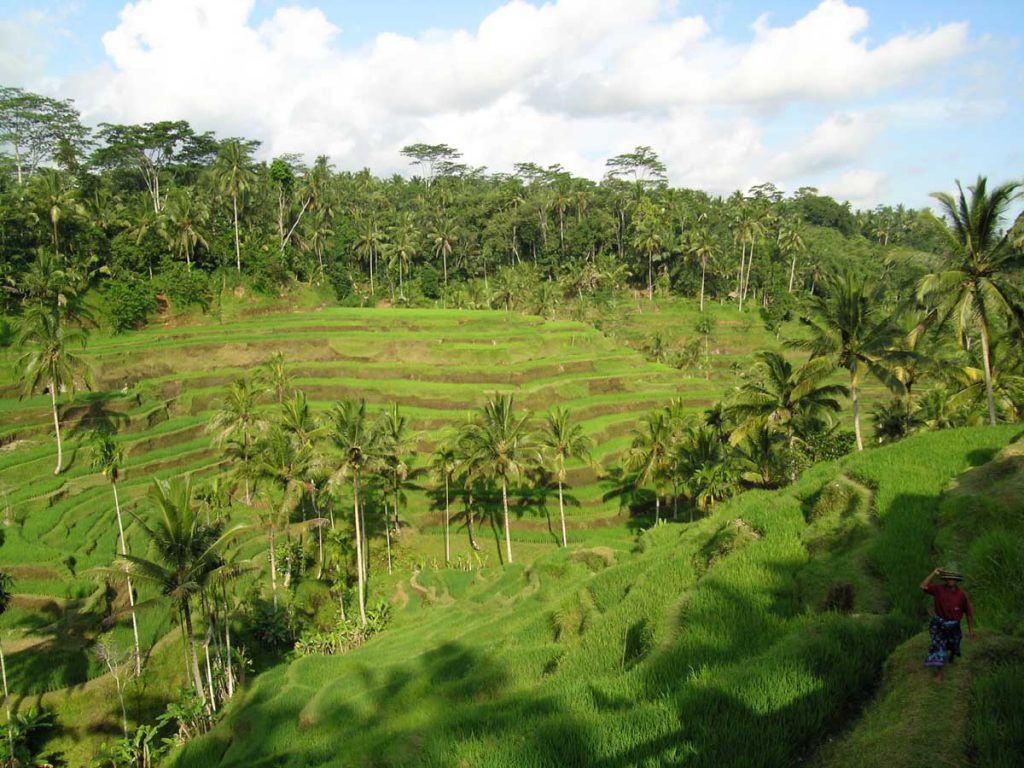
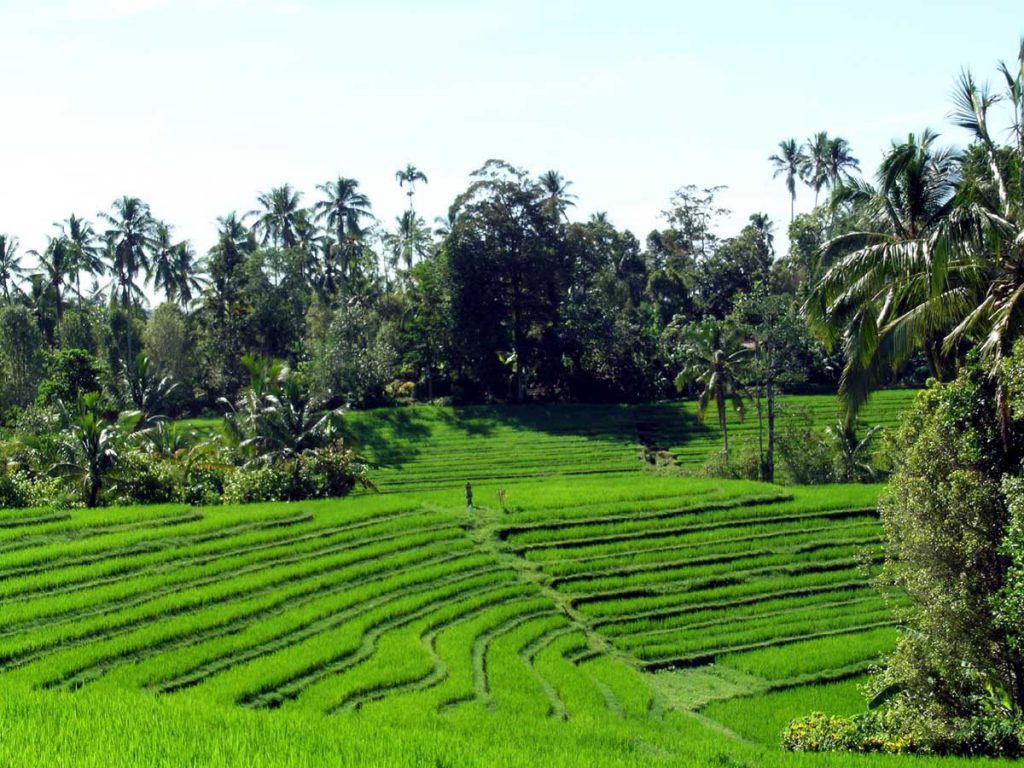
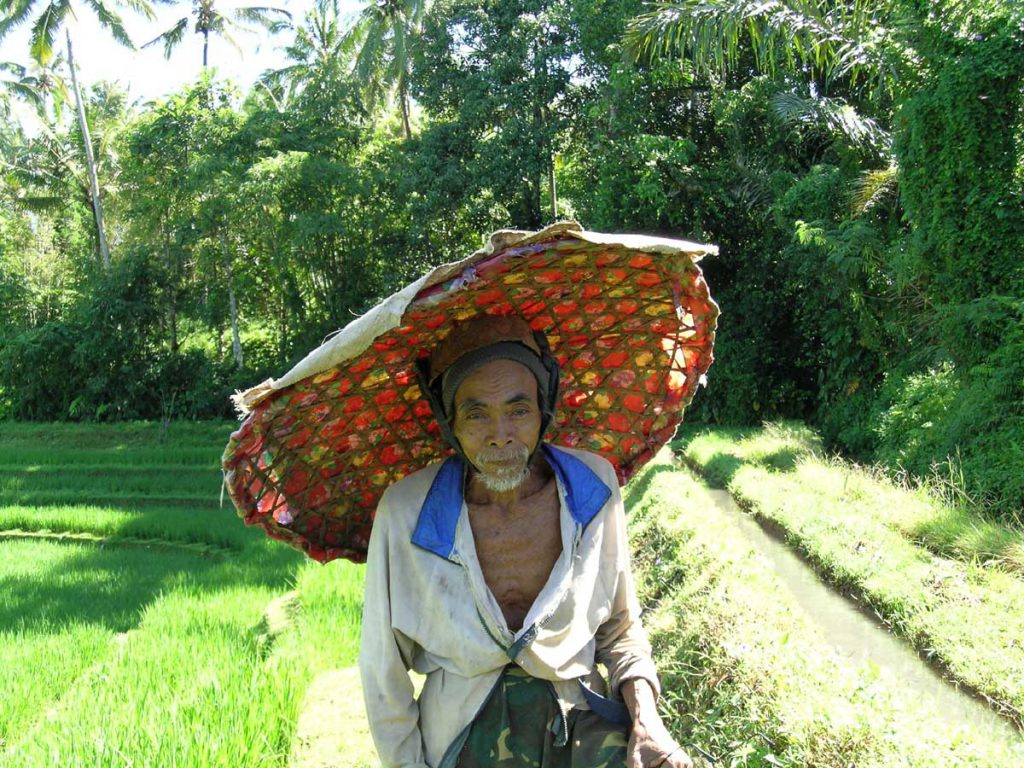
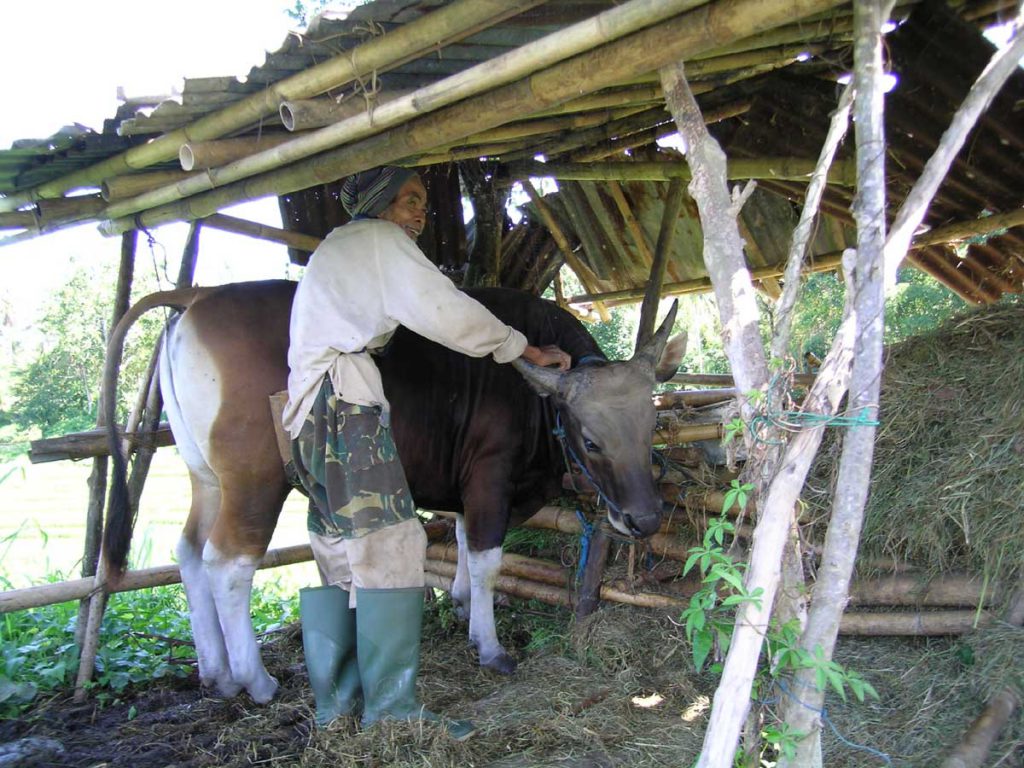
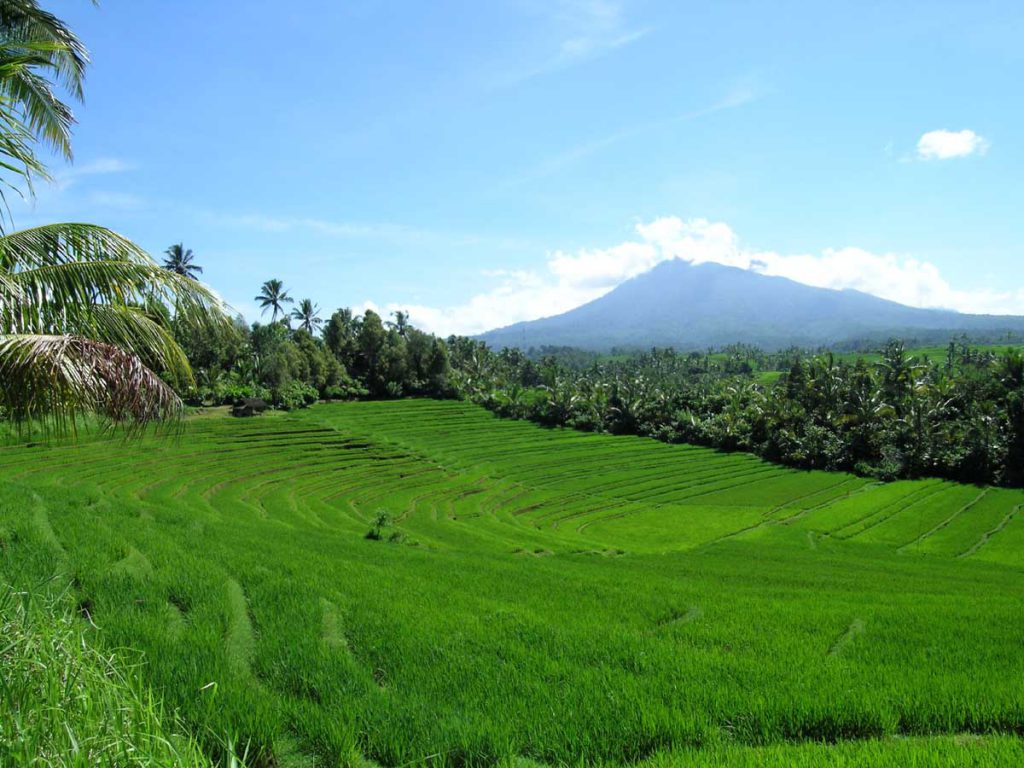
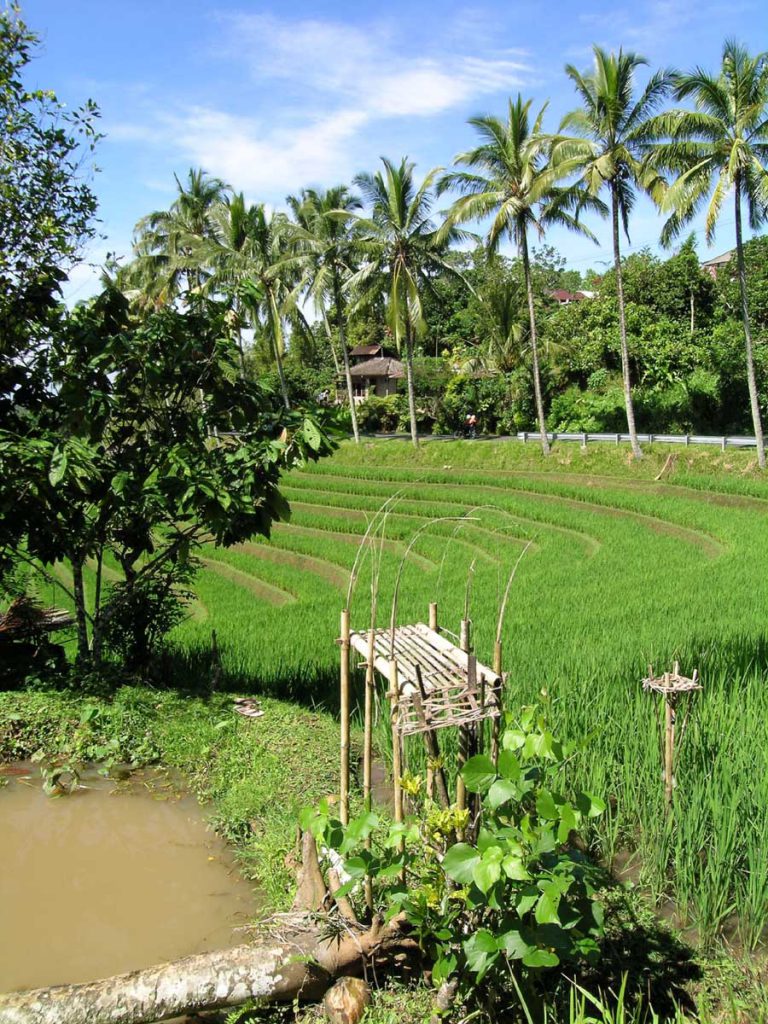
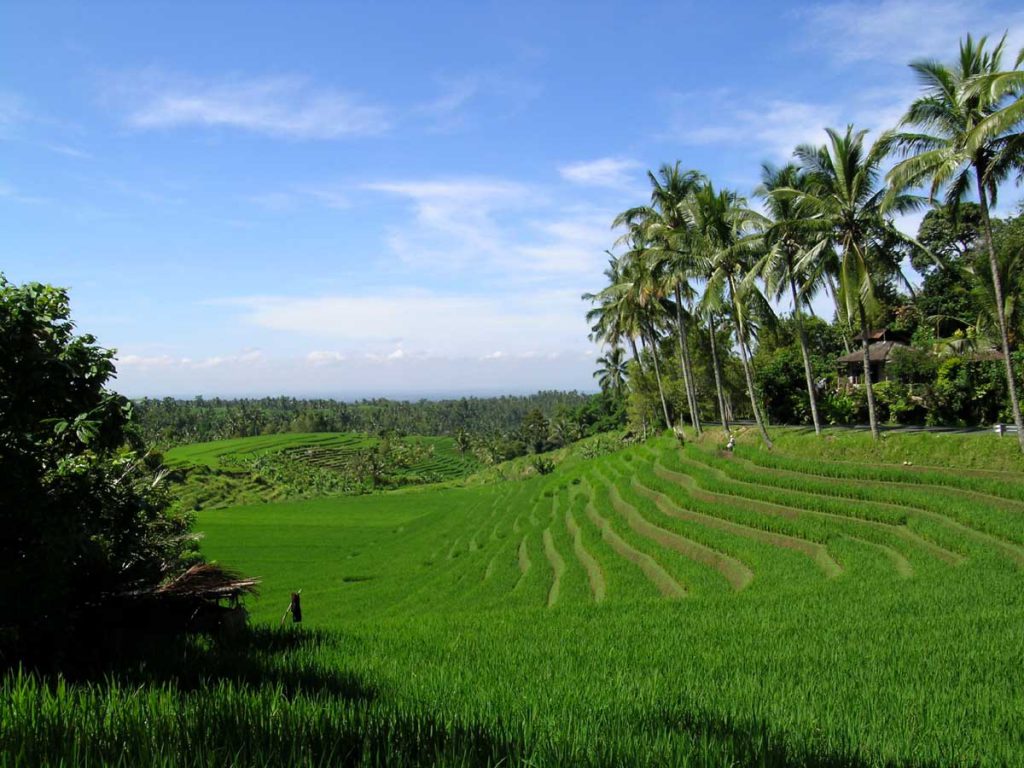
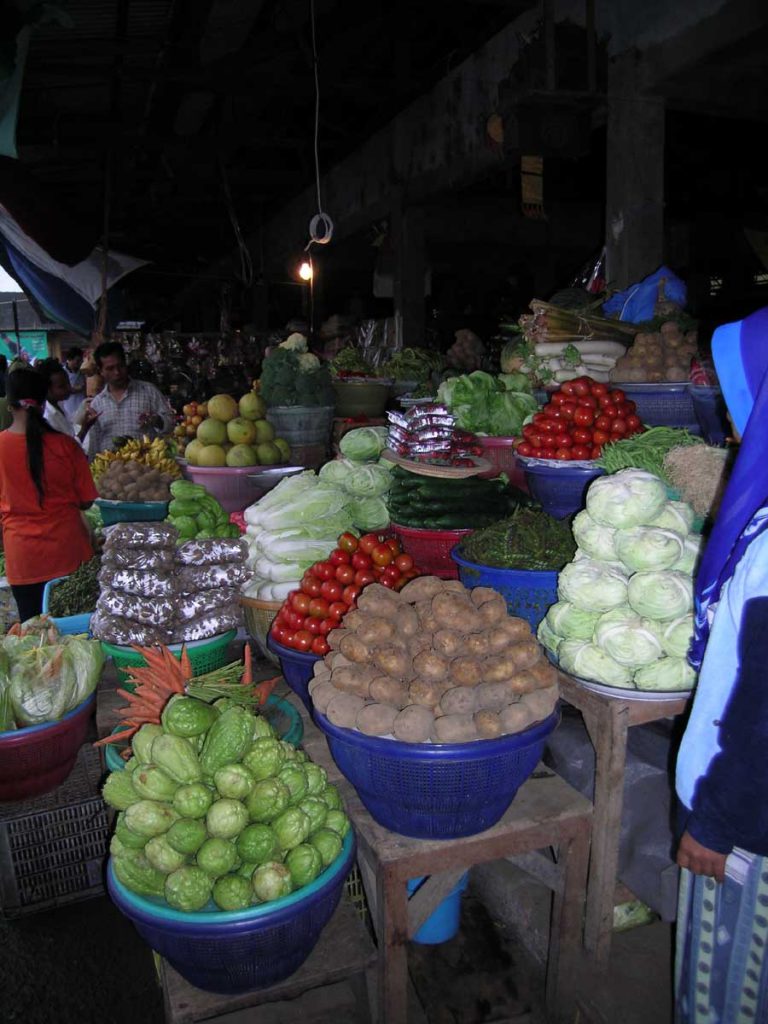
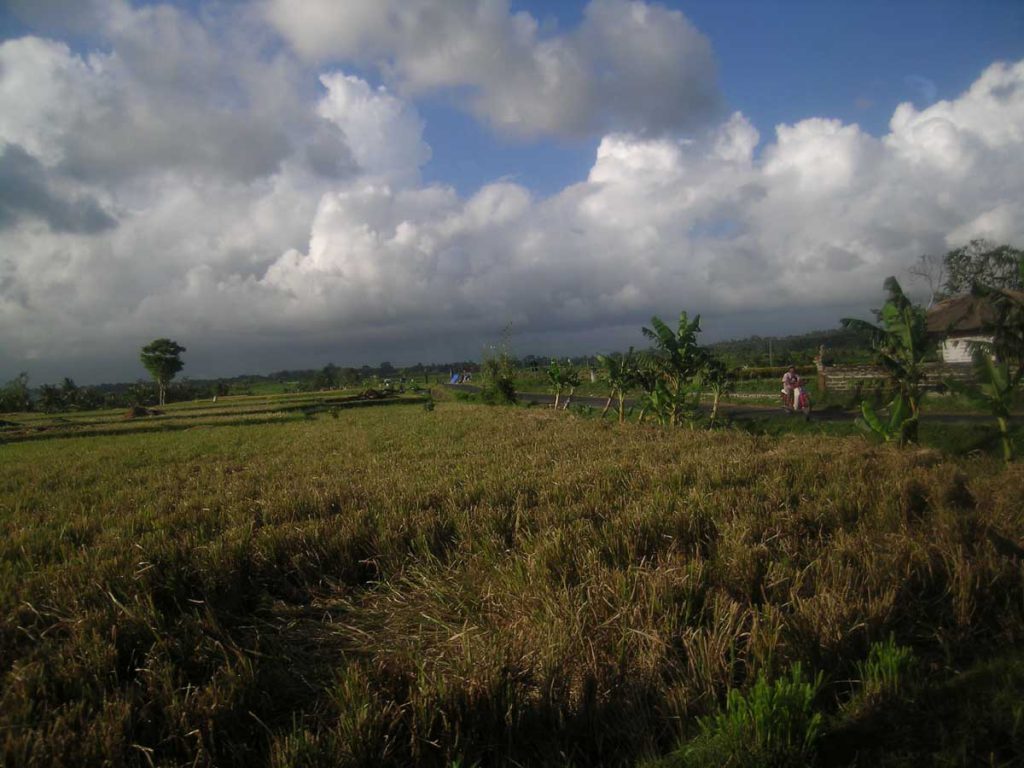
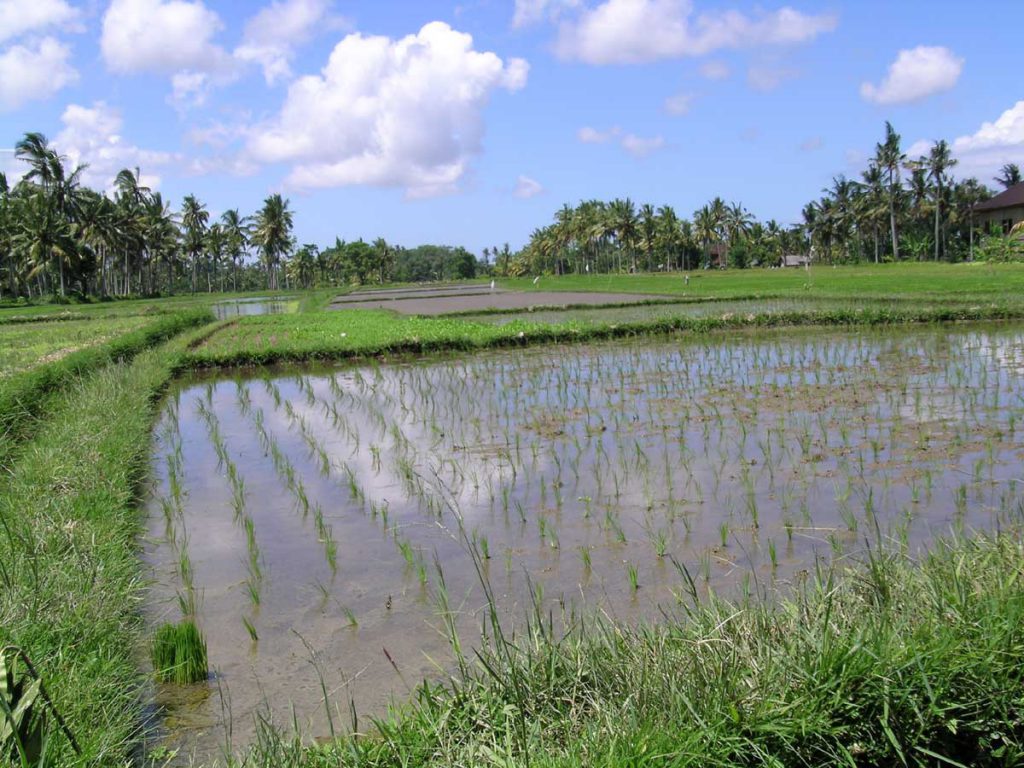
Although 80% of Bali’s economy depends on tourism, agriculture remains one of the island’s major employers, notably with rice cultivation. The rich volcanic soil and healthy monsoon season make the island extremely fertile and other crops include fruit, vegetables, spices and coffee. Coffee production is concentrated in the highland region of Kintamani, Arabica coffee from Kintamani is the first Indonesian product to request a geographical indication.
Hotels in Kuta: if you like to come back to your room to find towel-sculptures of animals on your bed, then Febri’s Hotel and Spa is the place for you! Seriously, this 70 room, 3 star family hotel is in an excellent location and has its own good-sized swimming pool. Rooms are spacious and clean, and the staff are friendly and attentive. There are children’s activities and free high speed internet. Alternatively, for a cheaper option, try the 100 Sunset 2 Hotel, a new, budget version of the successful boutique class 100 Sunset Hotel nearby, also on Sunset Road. There are 101 spacious, clean, modern rooms, a swimming pool and breakfast is included.
A little further out is a hotel well suited to a honeymoon or just a romantic holiday for two, The Kunja Hotel in Seminyak. There are 18 one-bedroom villas built in a traditional way but with modern amenities, providing privacy and room service as required. The hotel swimming pool is beautiful, and there is a free shuttle bus and free high speed internet. The smiley staff act as if nothing is too much trouble!

Where is Bali Located? Exploring the Island Paradise in the Indonesian Archipelago
Nestled in the heart of the Indonesian archipelago lies a tropical gem that has captured the imaginations of travelers from around the world: Bali. But where exactly is Bali located? This article delves into the geographical wonders of this island paradise, exploring its position in the vast expanse of Southeast Asia and the unique characteristics that make it a beloved destination for adventurers, cultural enthusiasts, and relaxation seekers alike.
Geographical Context
Bali is situated in the Indonesian archipelago, the largest archipelago in the world, comprising over 17,000 islands. It is located between the islands of Java and Lombok, with the Bali Sea to the north and the Indian Ocean to the south. The island lies approximately 8 degrees south of the equator, giving it a tropical climate characterized by warm temperatures and high humidity year-round.
Coordinates
To pinpoint the exact location of Bali, we can refer to its coordinates on the map. The geographic coordinates of Bali are approximately 8.3405° S latitude and 115.0920° E longitude. These coordinates place it squarely within the maritime boundaries of Indonesia, a sprawling archipelagic nation known for its diverse cultures, stunning landscapes, and rich biodiversity.
Proximity to Other Islands
Bali’s strategic location within the Indonesian archipelago makes it easily accessible from other major islands in the region. To the west lies the island of Java, home to Indonesia’s capital city, Jakarta, and numerous cultural and historical attractions. A short ferry ride across the Bali Strait connects Bali to Java, making it convenient for travelers to explore both islands in a single journey.
To the east of Bali lies the island of Lombok, known for its pristine beaches, rugged landscapes, and the iconic Mount Rinjani volcano. Lombok is accessible from Bali via regular flights and fast boats, allowing visitors to embark on exciting island-hopping adventures.
Position in Southeast Asia
From a broader perspective, Bali is situated within the region of Southeast Asia, a diverse and dynamic corner of the world known for its rich history, cultural heritage, and natural wonders. Southeast Asia encompasses countries such as Thailand, Vietnam, Malaysia, the Philippines, and Cambodia, each offering its own unique attractions and experiences.
Bali’s location in Southeast Asia makes it an ideal starting point for exploring the region’s myriad treasures. Travelers can easily combine a visit to Bali with excursions to neighboring countries, whether it’s immersing themselves in the bustling streets of Bangkok, cruising through the limestone karsts of Halong Bay, or relaxing on the idyllic beaches of the Philippines.
Unique Characteristics
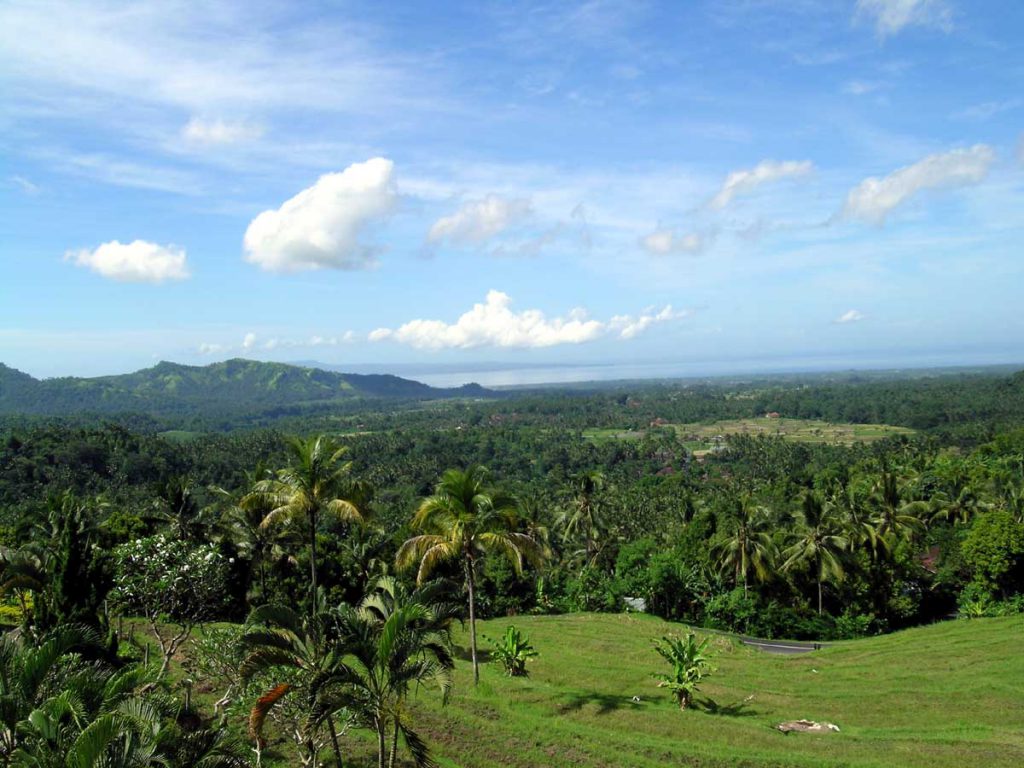
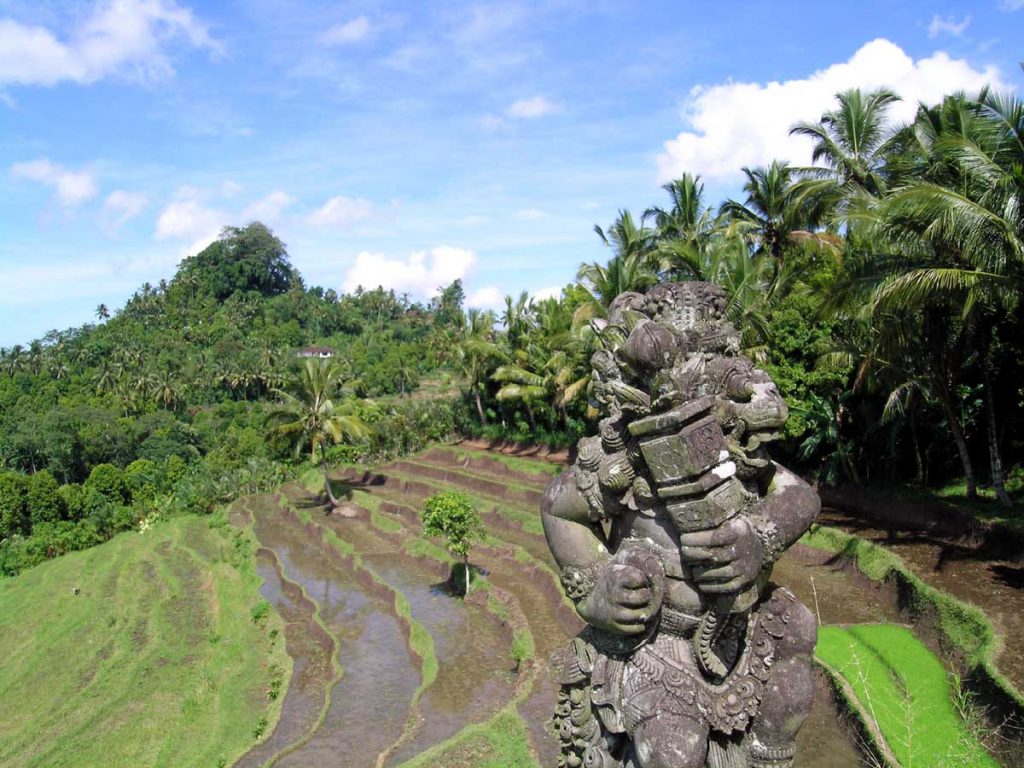
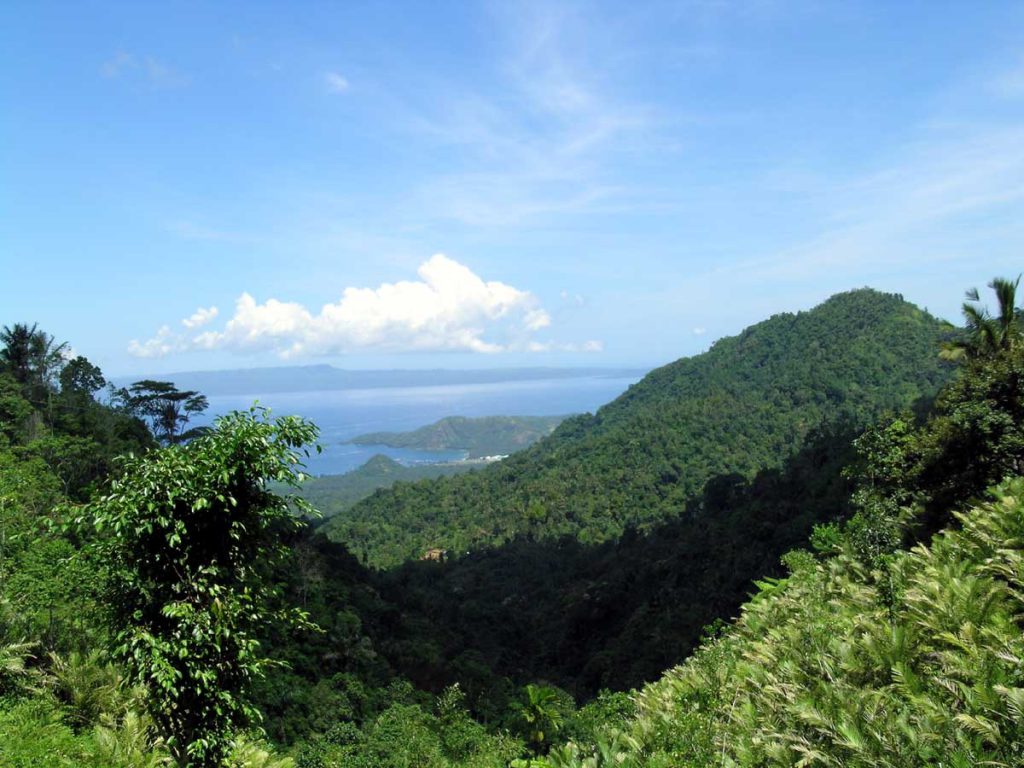
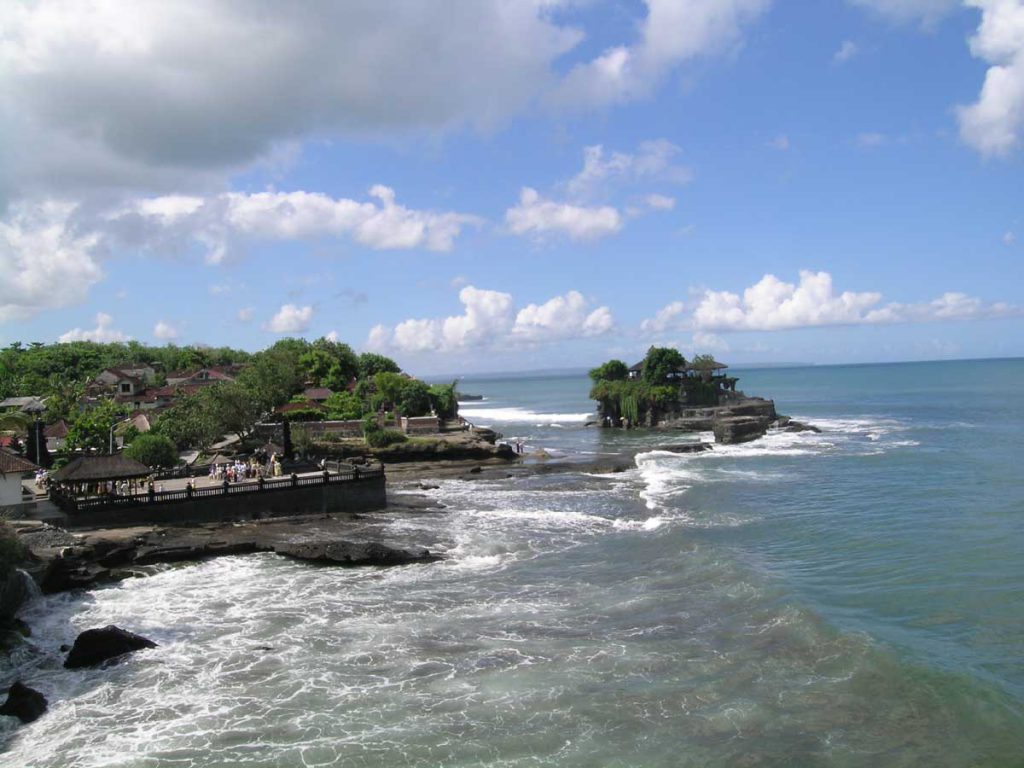
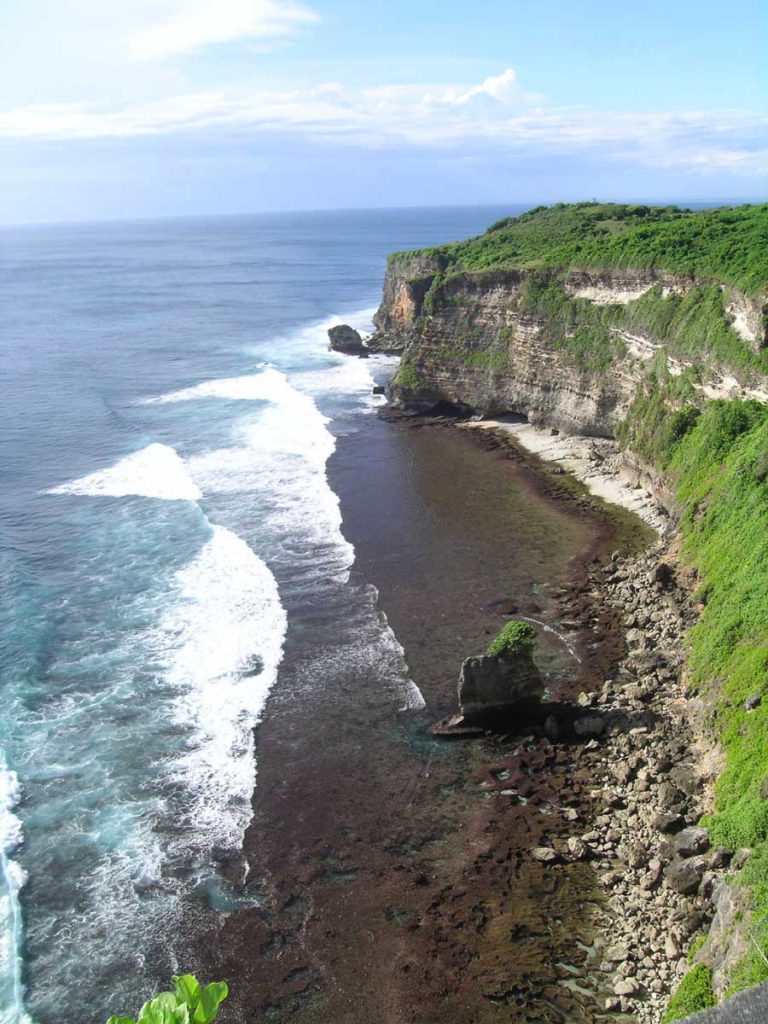
Despite its relatively small size, Bali packs a punch when it comes to natural beauty, cultural richness, and recreational opportunities. The island is renowned for its lush landscapes, including verdant rice terraces, cascading waterfalls, and pristine beaches with crystal-clear waters.
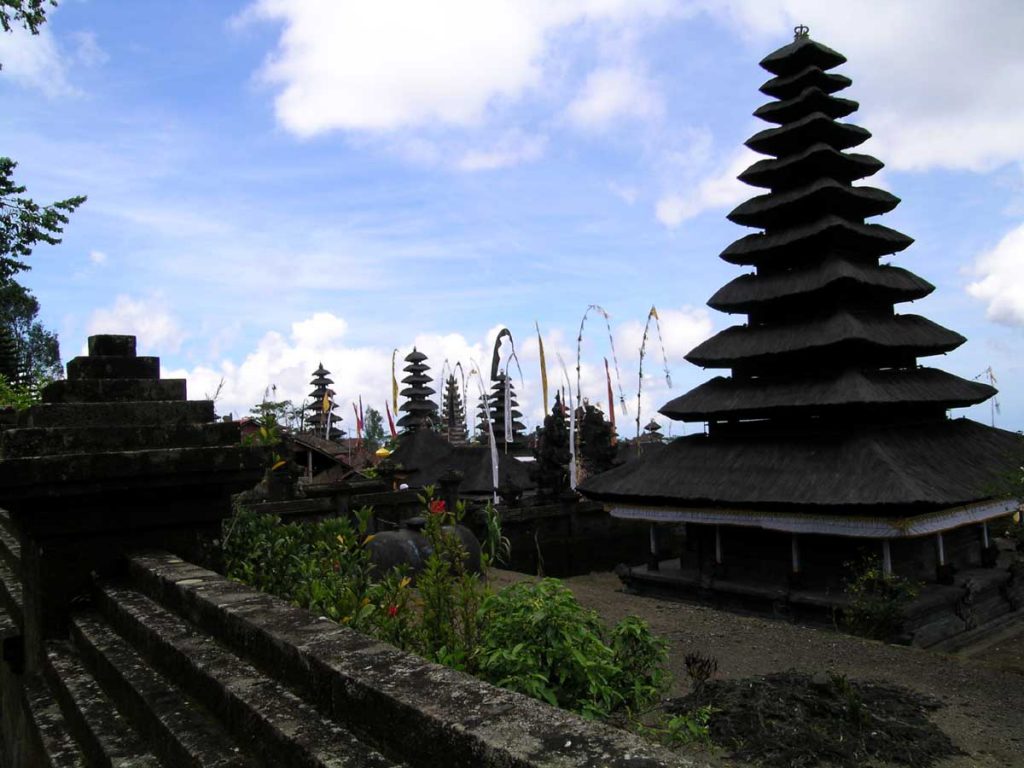
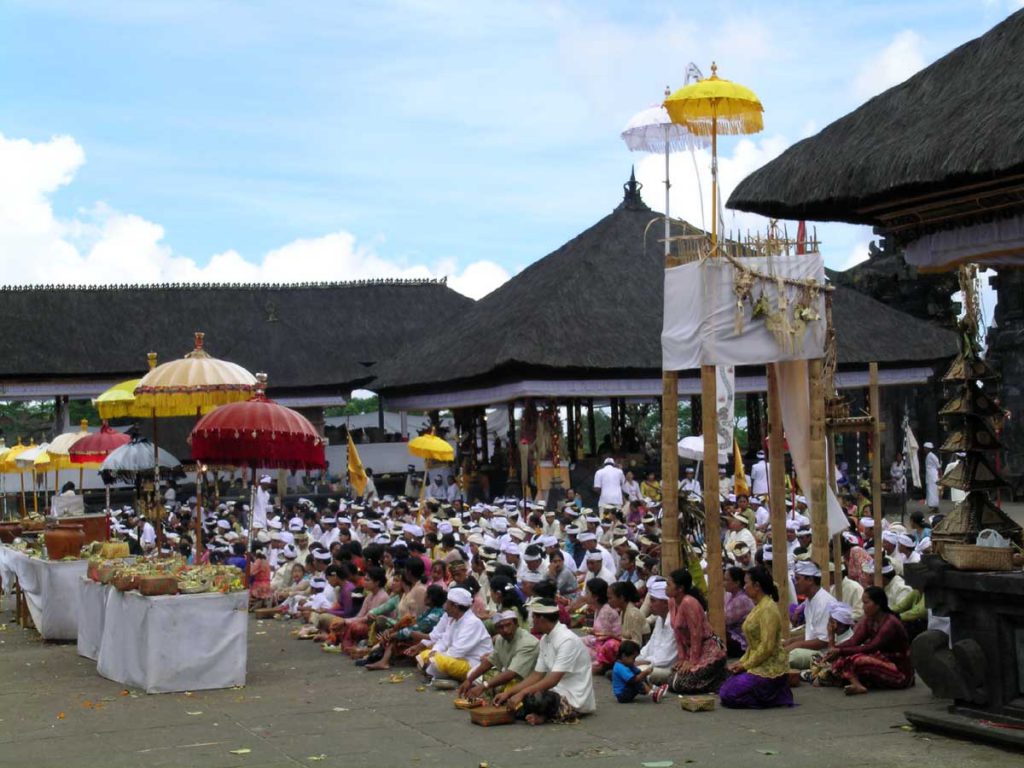
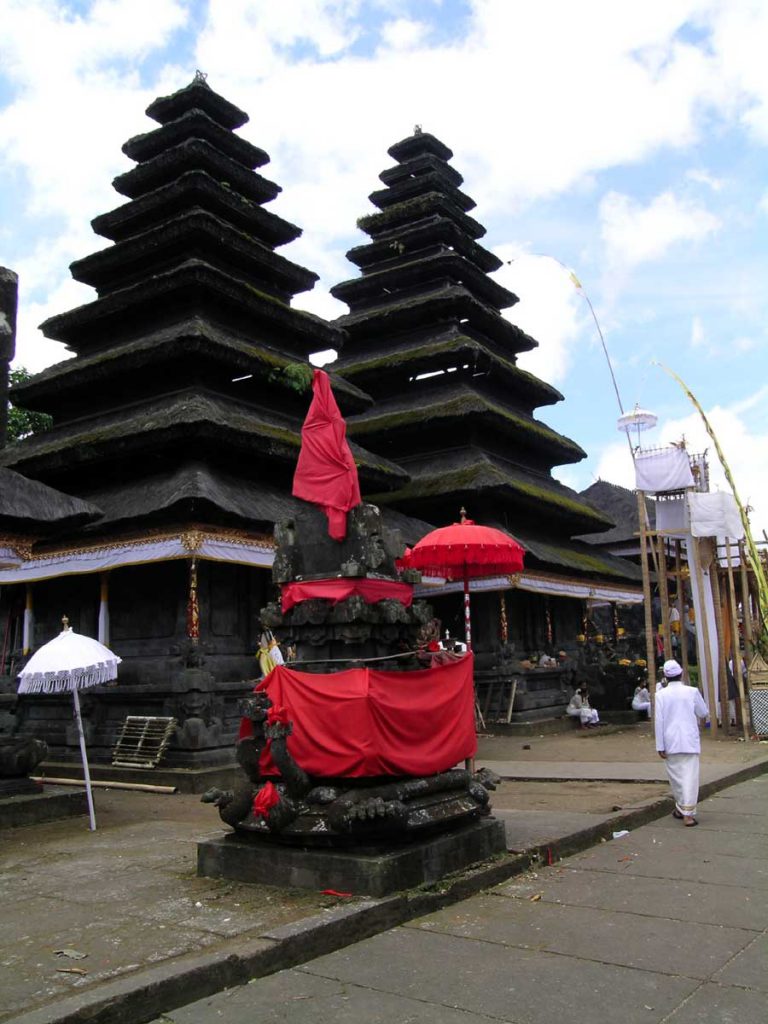
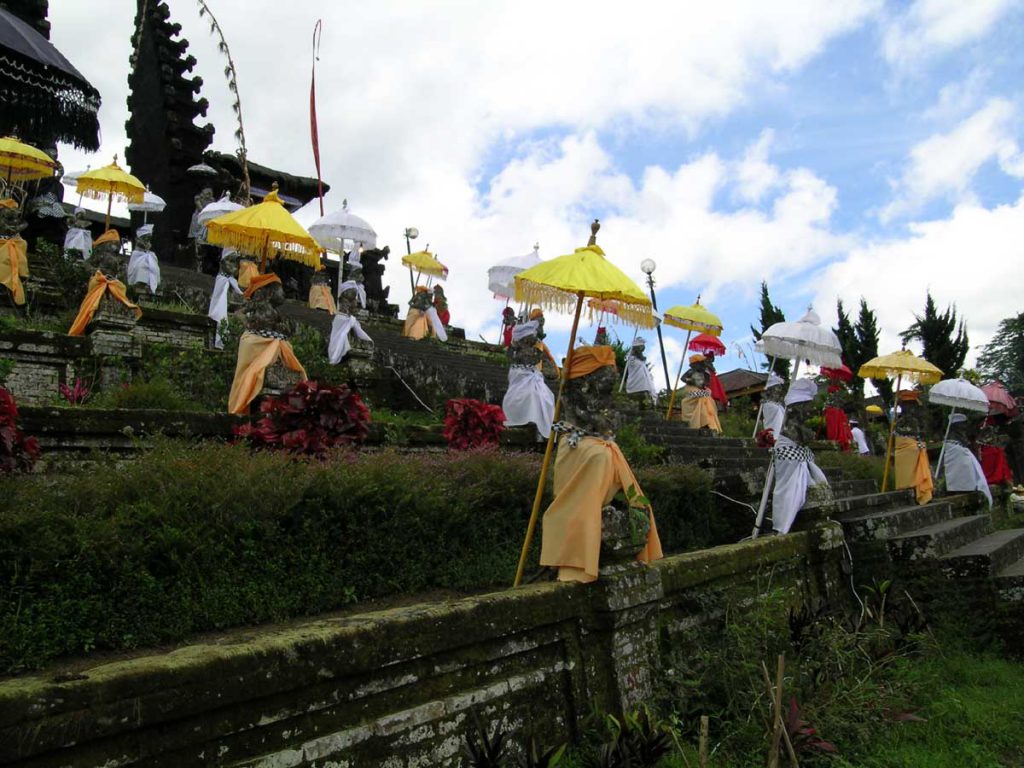
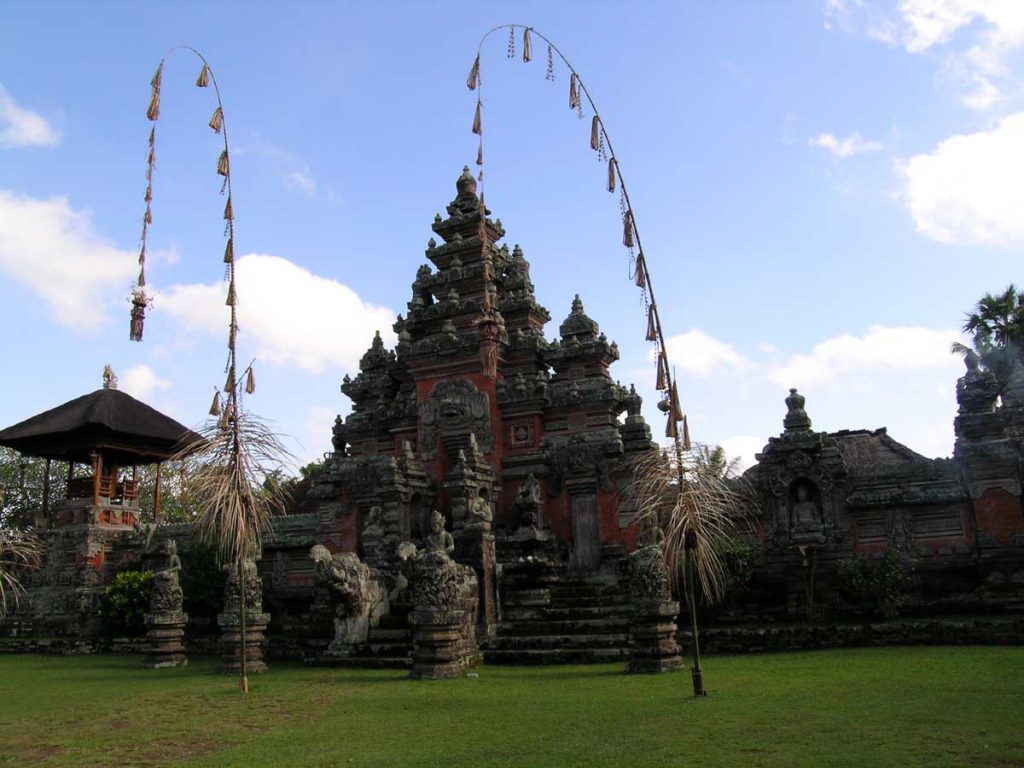
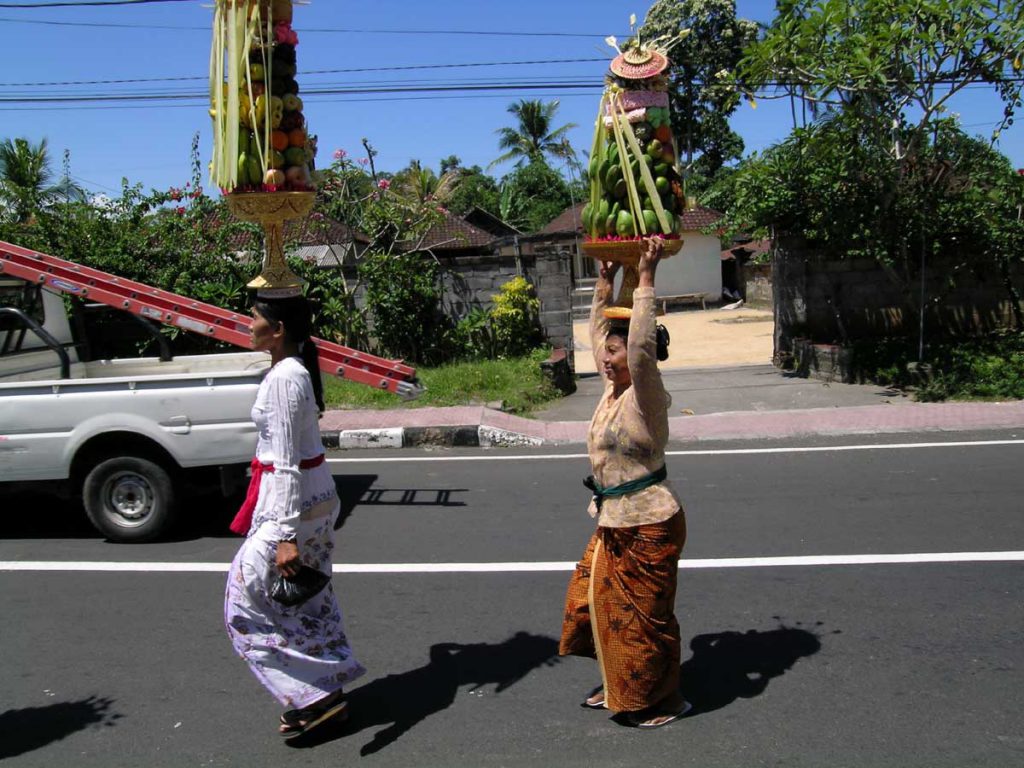
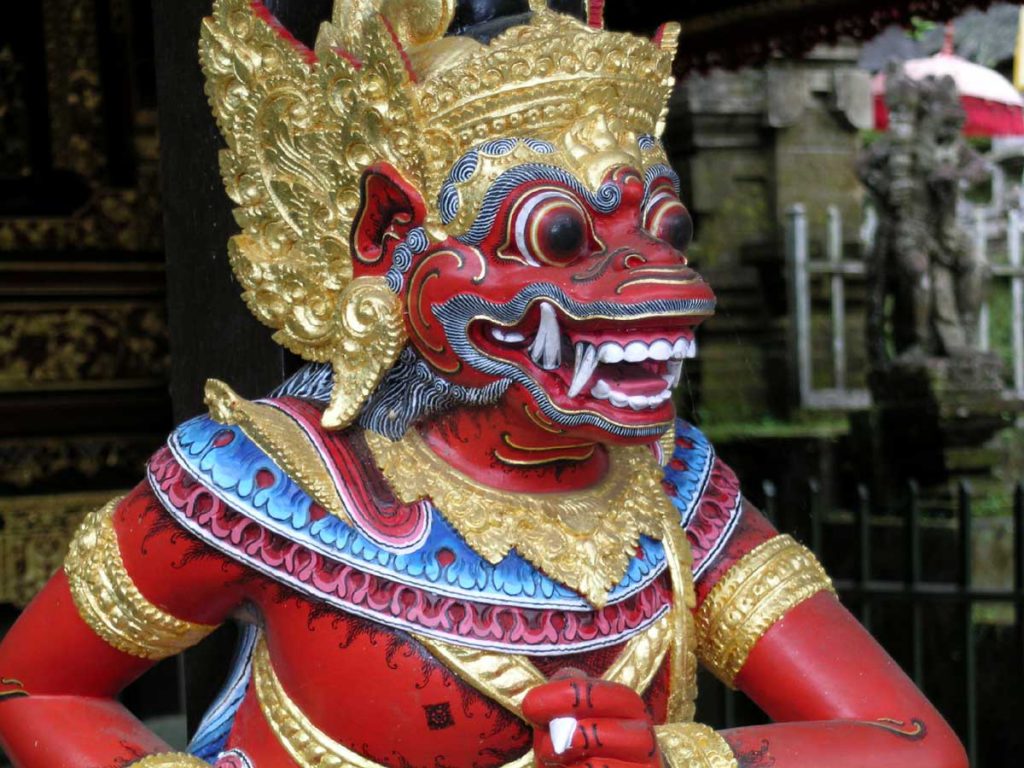
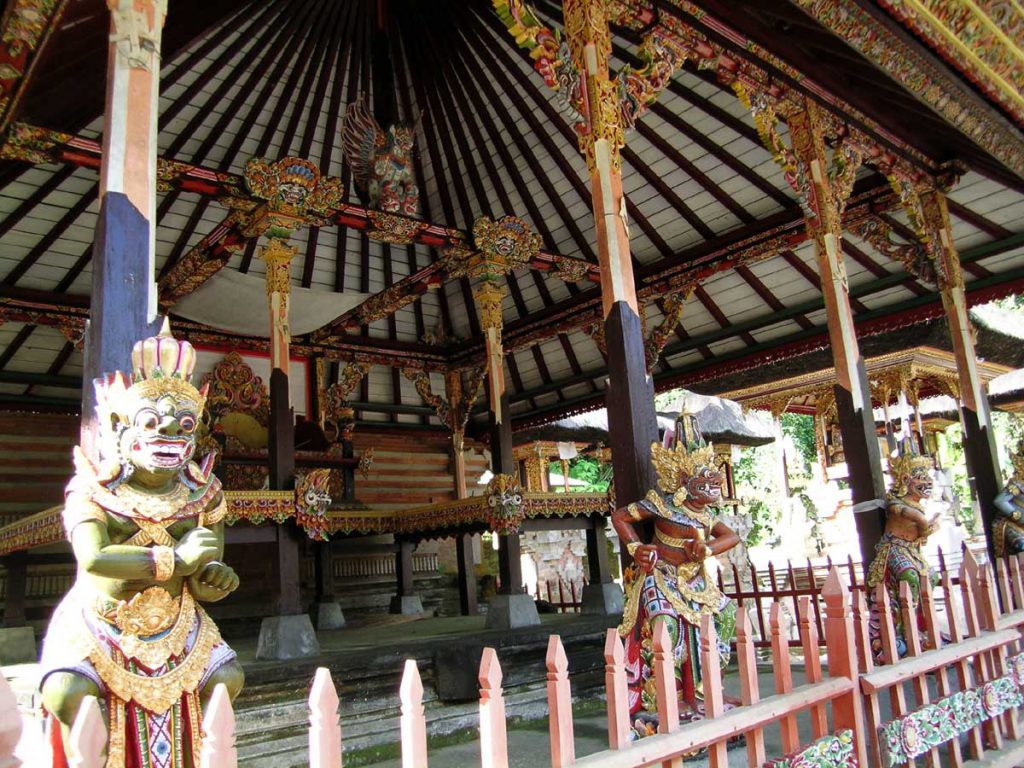
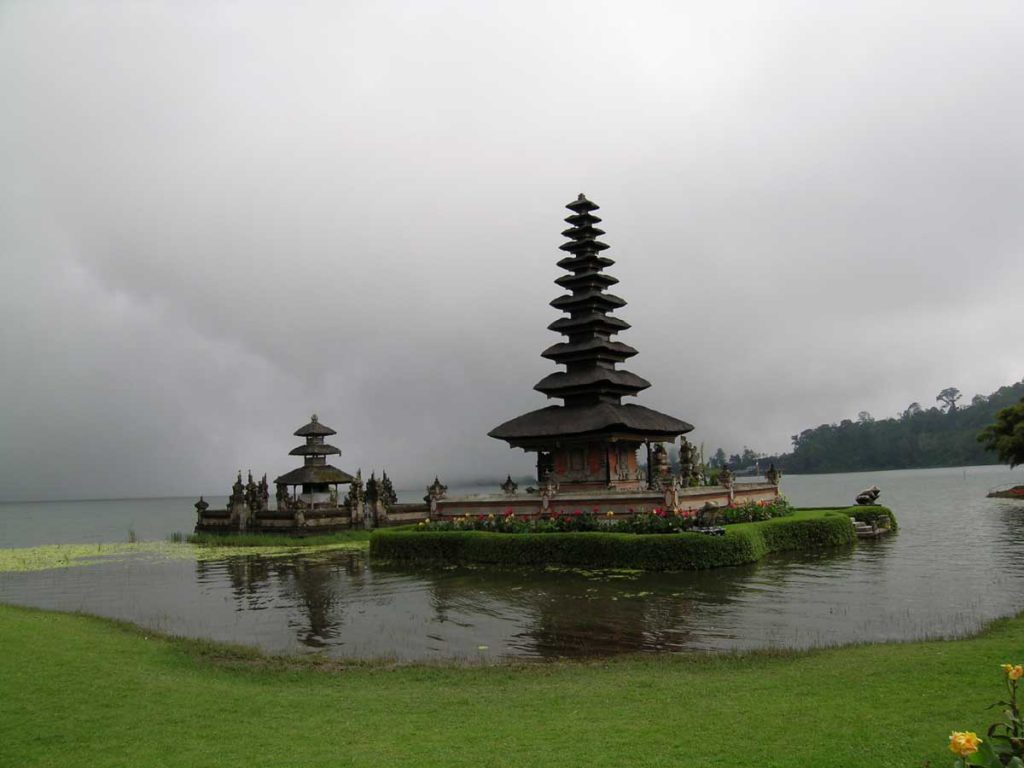
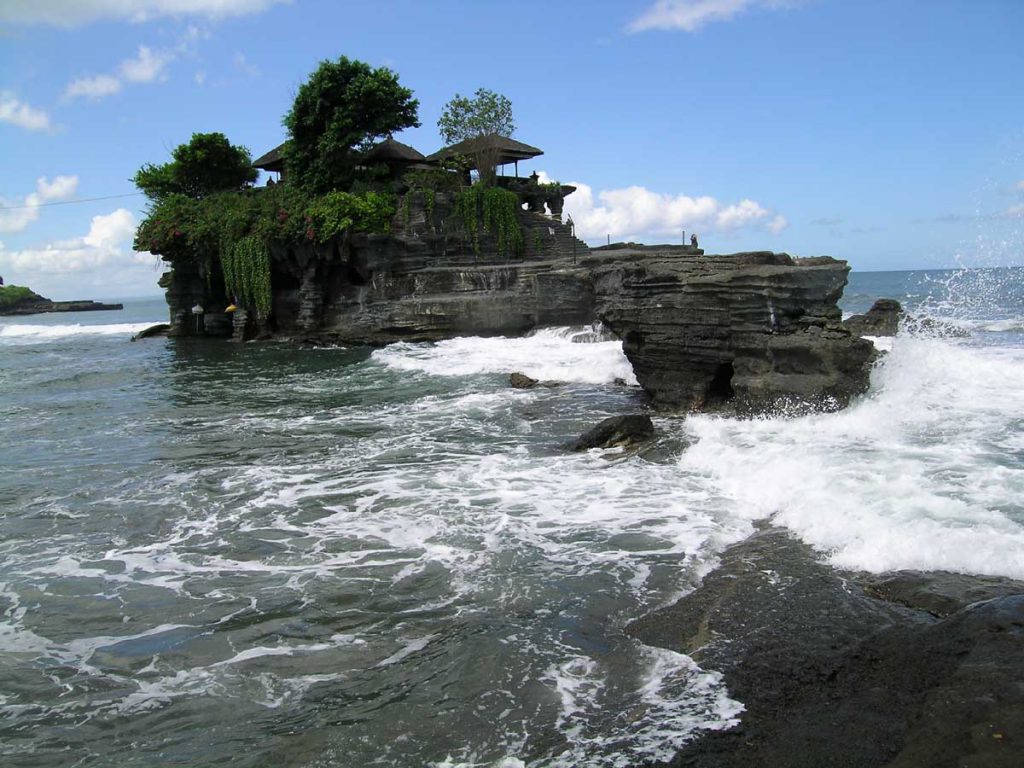
Bali’s cultural heritage is equally impressive, with a vibrant tapestry of traditions, rituals, and artistic expressions. Balinese Hinduism, which permeates every aspect of life on the island, is evident in the ornate temples, colorful festivals, and mesmerizing dances that define Balinese culture.
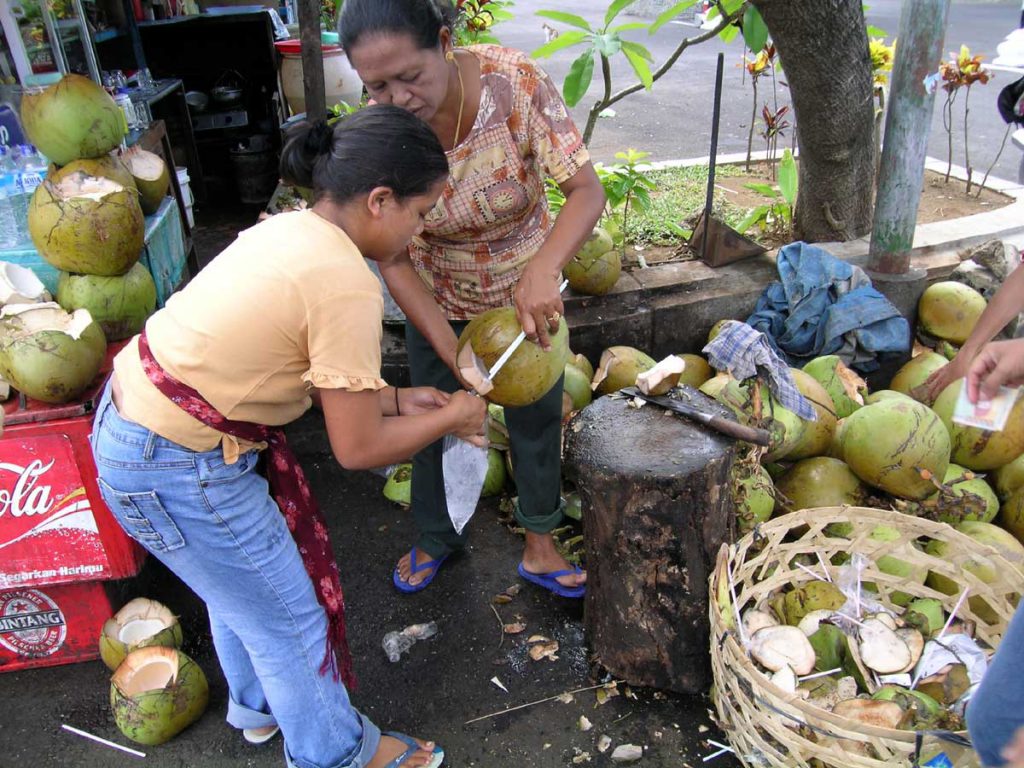
Moreover, Bali’s welcoming hospitality and warm climate make it a year-round destination for travelers seeking relaxation and rejuvenation. Whether it’s indulging in spa treatments, practicing yoga amidst serene surroundings, or simply lounging on the beach with a refreshing coconut in hand, Bali offers endless opportunities for rest and relaxation.
Whether you’re drawn to Bali’s natural beauty, cultural heritage, or laid-back atmosphere, one thing is certain: this tropical gem has a magnetic allure that keeps visitors coming back time and time again. So the next time you find yourself dreaming of an island escape, consider Bali—where paradise awaits at the crossroads of the Indian Ocean and the Bali Sea.