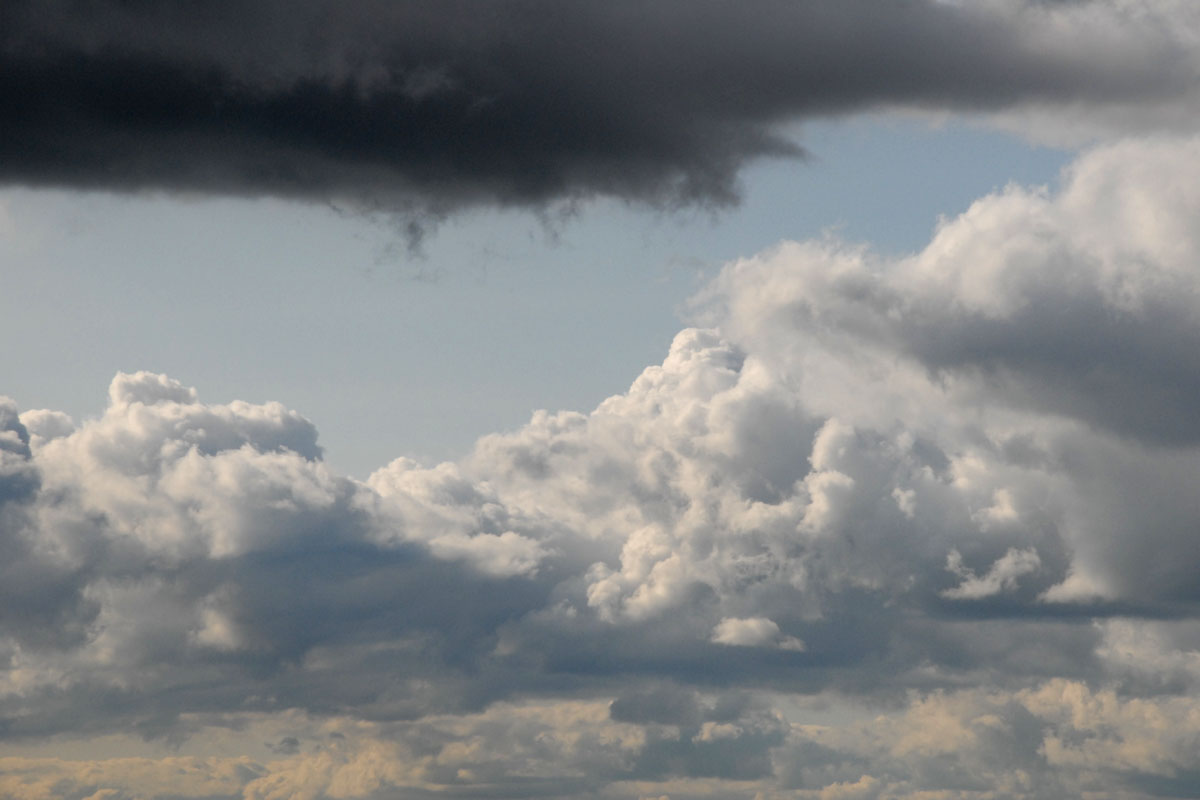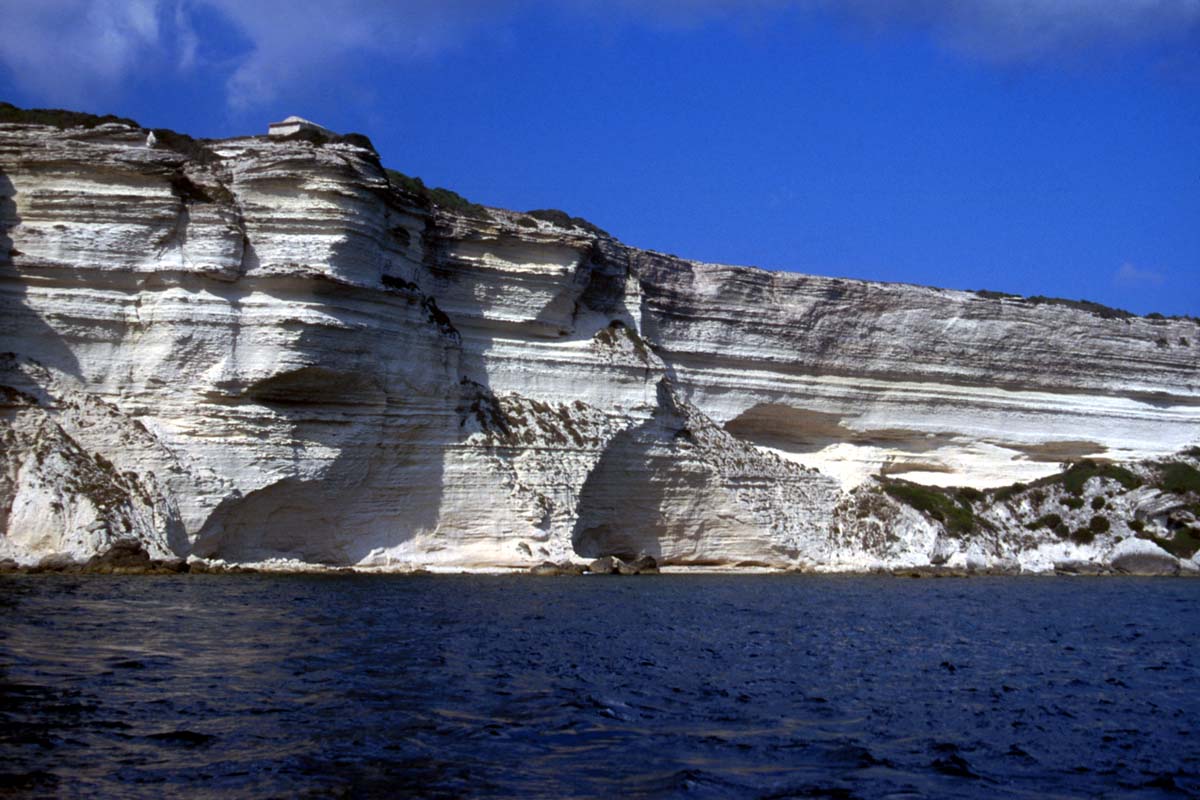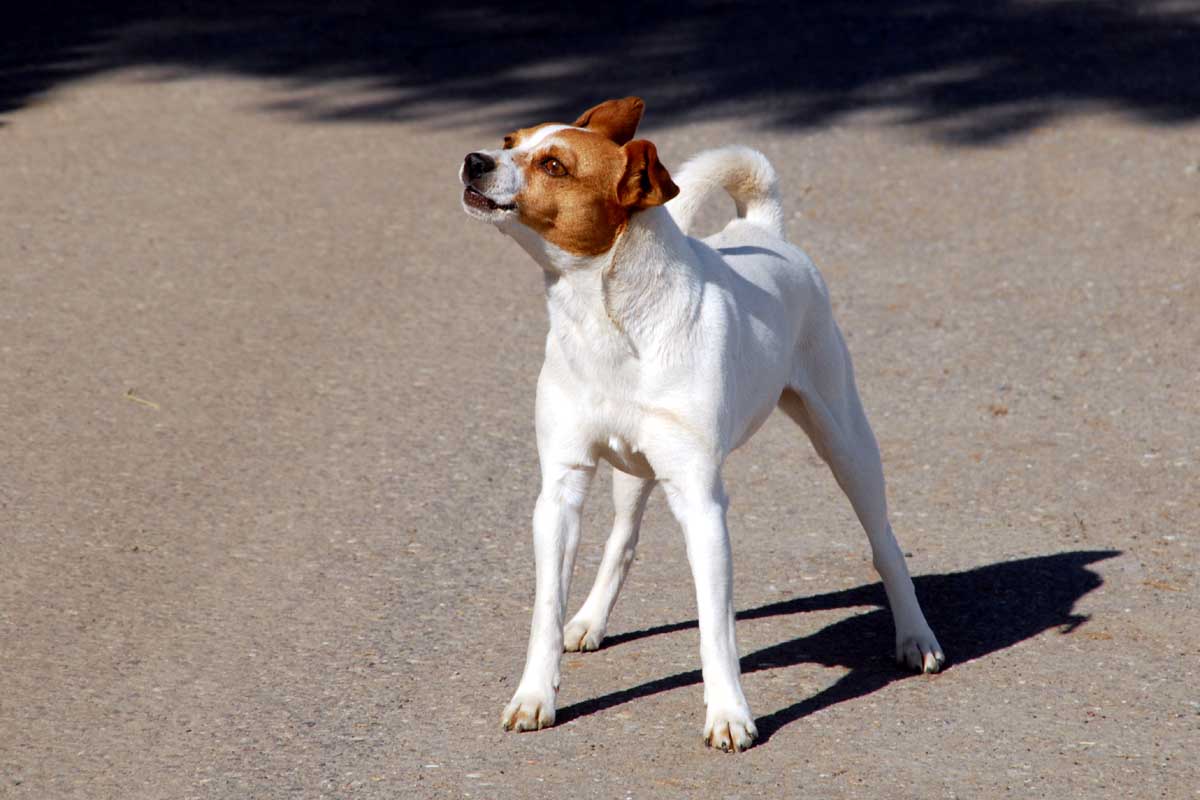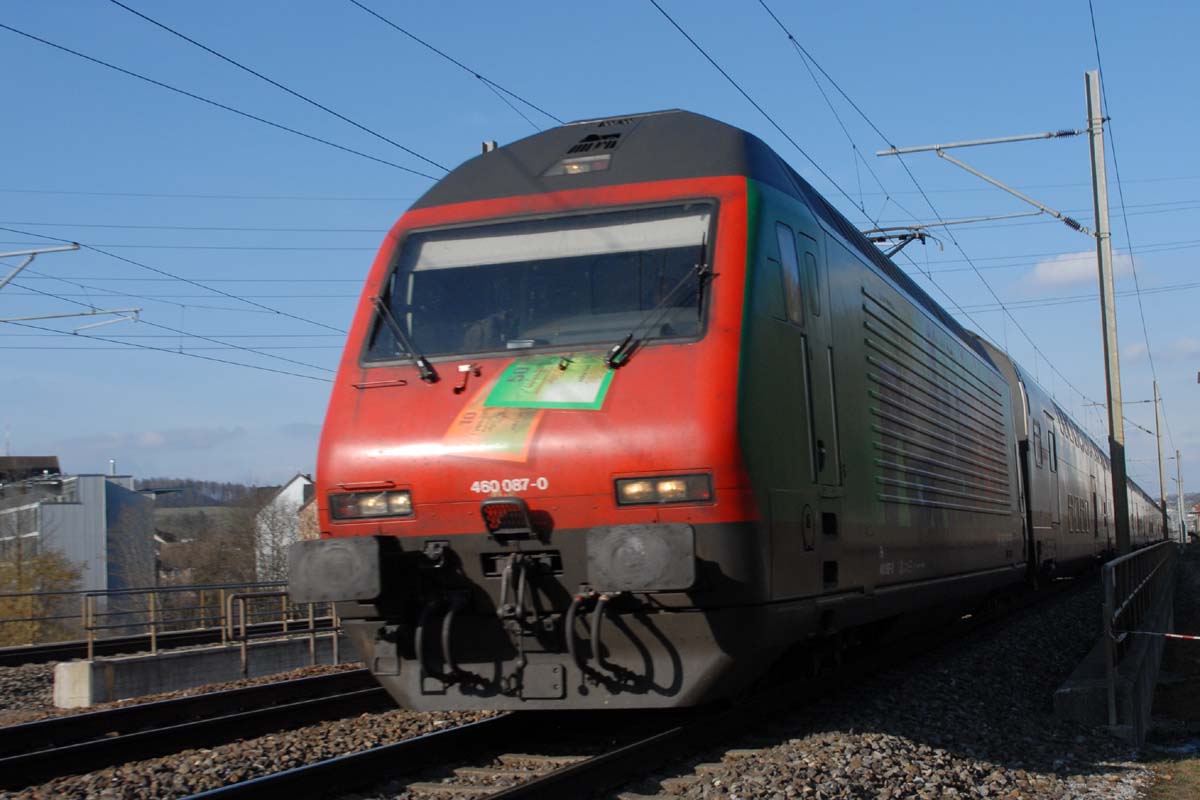
























Big Photo Images by BigFoto.com
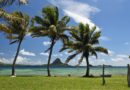
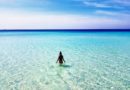
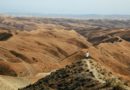
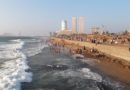
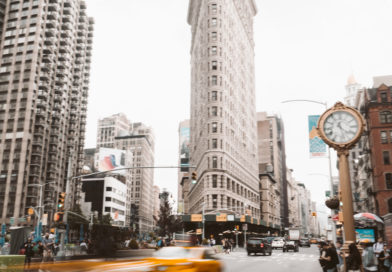
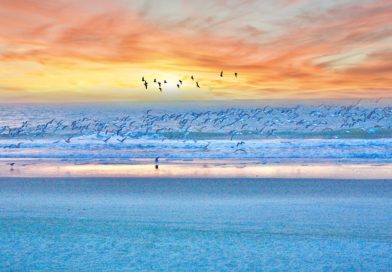
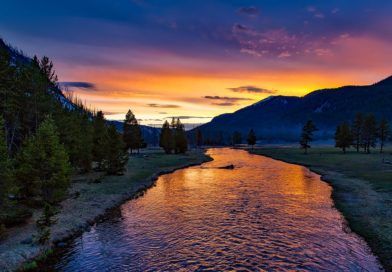
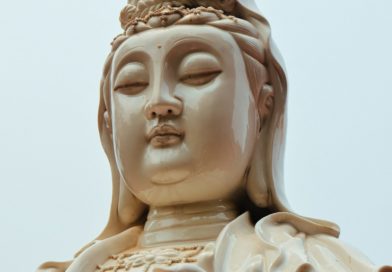
Welcome to BigFoto, the royalty-free photo download agency where you can find free photos for download. This site really does offer you free download of all the pictures in our massive and constantly growing photo gallery. You can use big photo images just as you wish for personal or commercial purposes (see Copyright for details) and there are no watermarks or complicated rules. All we do ask is a link back to our website!
So bookmark this page now and start browsing the collection!
Big Photo Images are Quite Popular
Most of BigFoto’s pictures have been contributed by amateur photographers who want nothing more than to see their images on the internet. They are happy for you to use their work on your own website, as wallpaper on your computer desktop, or to print off and hang on your wall. You can even use the photos free of charge for commercial purposes.
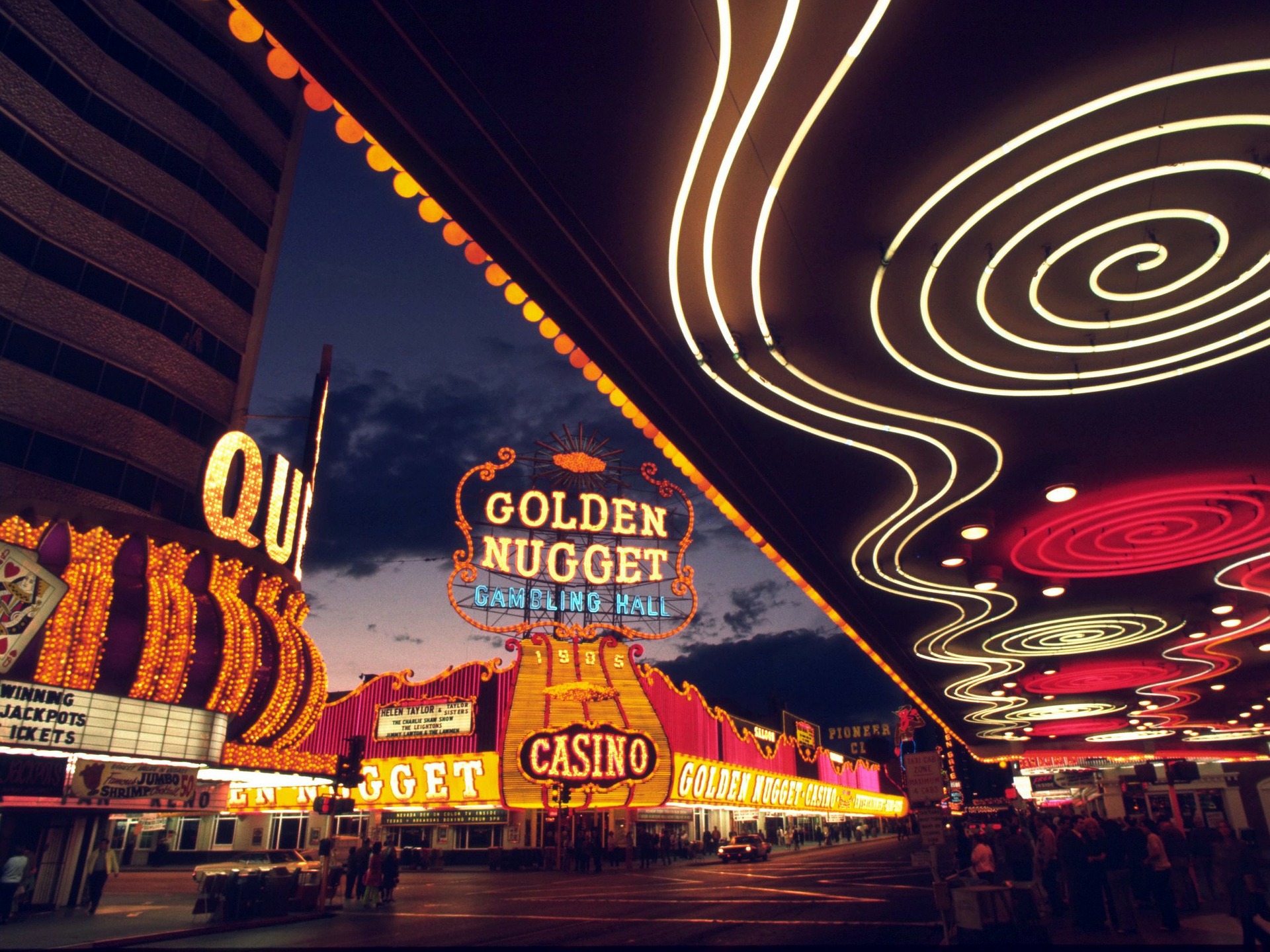
Our casino category will show big photos from beautiful Casino destinations, for those who are not only the fans of online casino websites, like those listed at aspire global casinos but prefer to also see and visit brick & mortar places.
With multiple cryptocurrency casinos on the rise and new players showing interest to this field, using images may be a good way to attract an audience to your page or affiliate website. Many casino website owners decided to use our collection of photos for their projects.
Some popular USA online casinos use our collection of casino and Las Vegas images for their background and promotional material like banners which helps them achieve their goals and generate more sales.
Most photography sites charge a fee for commercial use, but BigFoto is different: you can use these free pictures in your work without worrying that you are infringing copyright. You do not even have to register.
All BigFoto asks in return for this free download is that you place a link to the BigFoto.com website on your own site, or if you don’t have a website or blog, please make a link on social media like Facebook.
The pages of photos are organized by topic. Use the menu at the top of page to find what you are looking for, and start downloading.
Travel Information and Tips
Inside of some of our most popular photo galleries you will find tourist tips and ideas alongside the free big photo images. Like our picture collections, this travel information is constantly being improved and updated. For example you can find some cool eskimos pictures with useful information here.
If you are browsing the site because you are planning a trip to the place concerned, you will not only be able to see and download free images, but can also read about the history and geography of your destination. Hotels are suggested in a wide range of price categories, and the travel information includes useful details like the opening times of various tourist attractions.
The dropdown menus at the top of this page take you to the place you choose within that continent.
Interested in photography?
Clicking on the Themes and Miscellaneous Pictures tabs not only takes you to more galleries of freely downloadable pictures which may be useful to you; it also opens up a wealth of information.
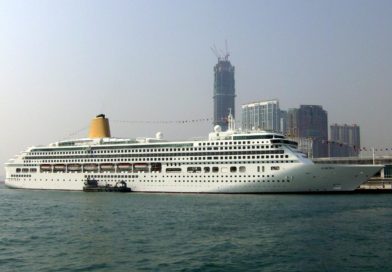
In Themes the topic is clear from the title: Fountains, for example, has pictures of a wide range of fountains from all over the world, and information about the origin and history of the subject. Ships category will show various pictures of ships collected from all around the world.
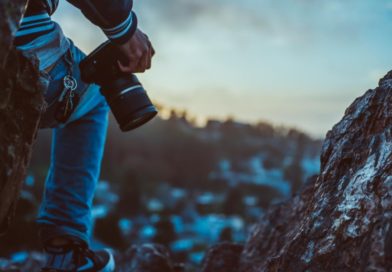
Miscellaneous Pictures category is a bit different: here the information offered alongside the free photo download is about the art of photography itself. There are tips about cameras and taking great photos in all sorts of situations, and interesting articles about the history of photography and some famous photographers.